
The Lens of Literature
Coming up in October is the second year of Creative Catalysts, an exhibit curated and organized by Midori Creativity. Creative Catalysts displays the amazing interplay of unique pairings and perspectives from artists working in a broad assortment of artistic mediums. The theme this year – the lens of literature – asks artist pairs to choose a work of literature and shape work resulting from its inherent questions and search for answers. Please join us at our opening reception at Groundwork New Bedford on Saturday, October 3 from 4 to 6 pm.
For 2026, I am paired with Katherin, Owner and Artist at Livity Tree Art who creates matriarchal reverence art.
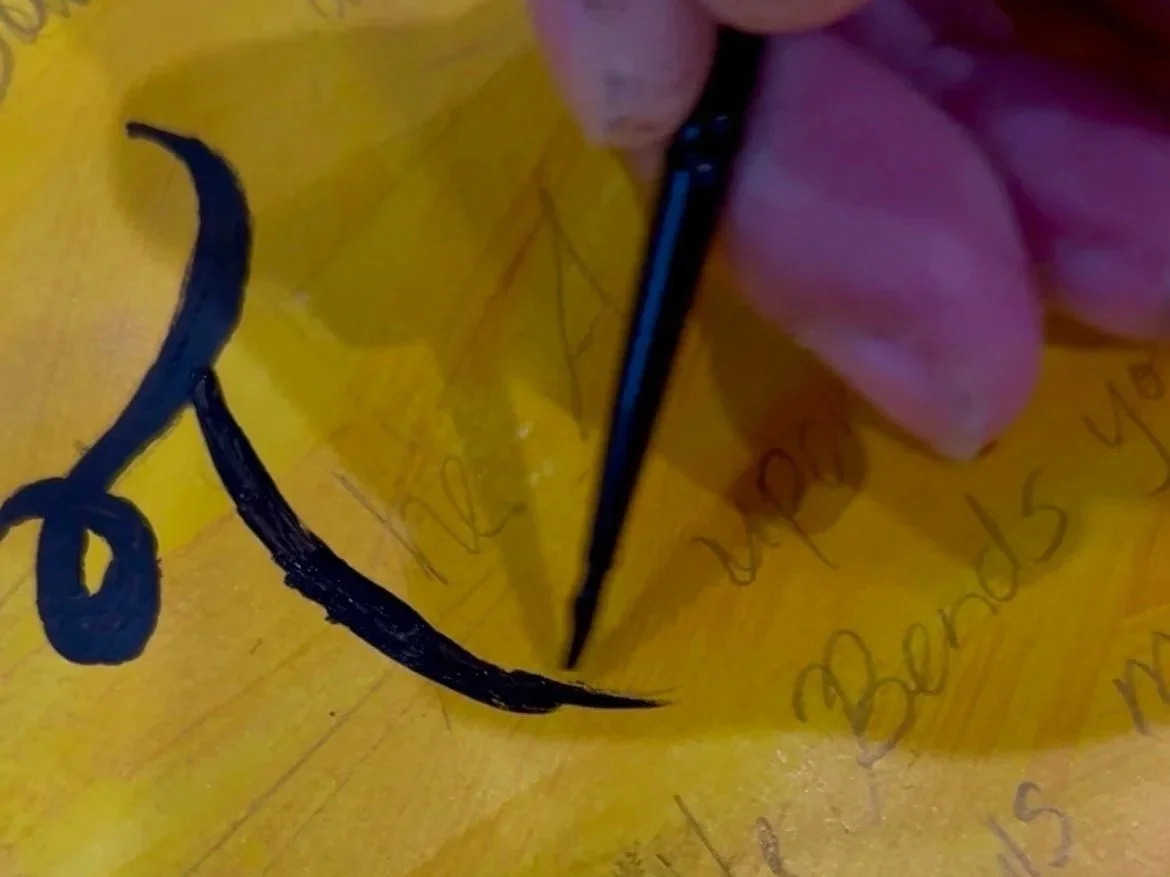
Her art is alchemical and symbolic, drawn from ancestral connection and reclamation.
When Katherin and I first met to talk about our work in Creative Catalysts, we brainstormed how to open ourselves to work that might be different than work we normally produced. Sometimes as artists, our habits and assumptions about what we create can direct and control us more than we realize. One solution? Creative limitations!
Creative limitations require us to work within fewer choices. We might not always gravitate towards a certain method or material but if we say we will only work with that, we dive in and learn its quirks and mannerisms.
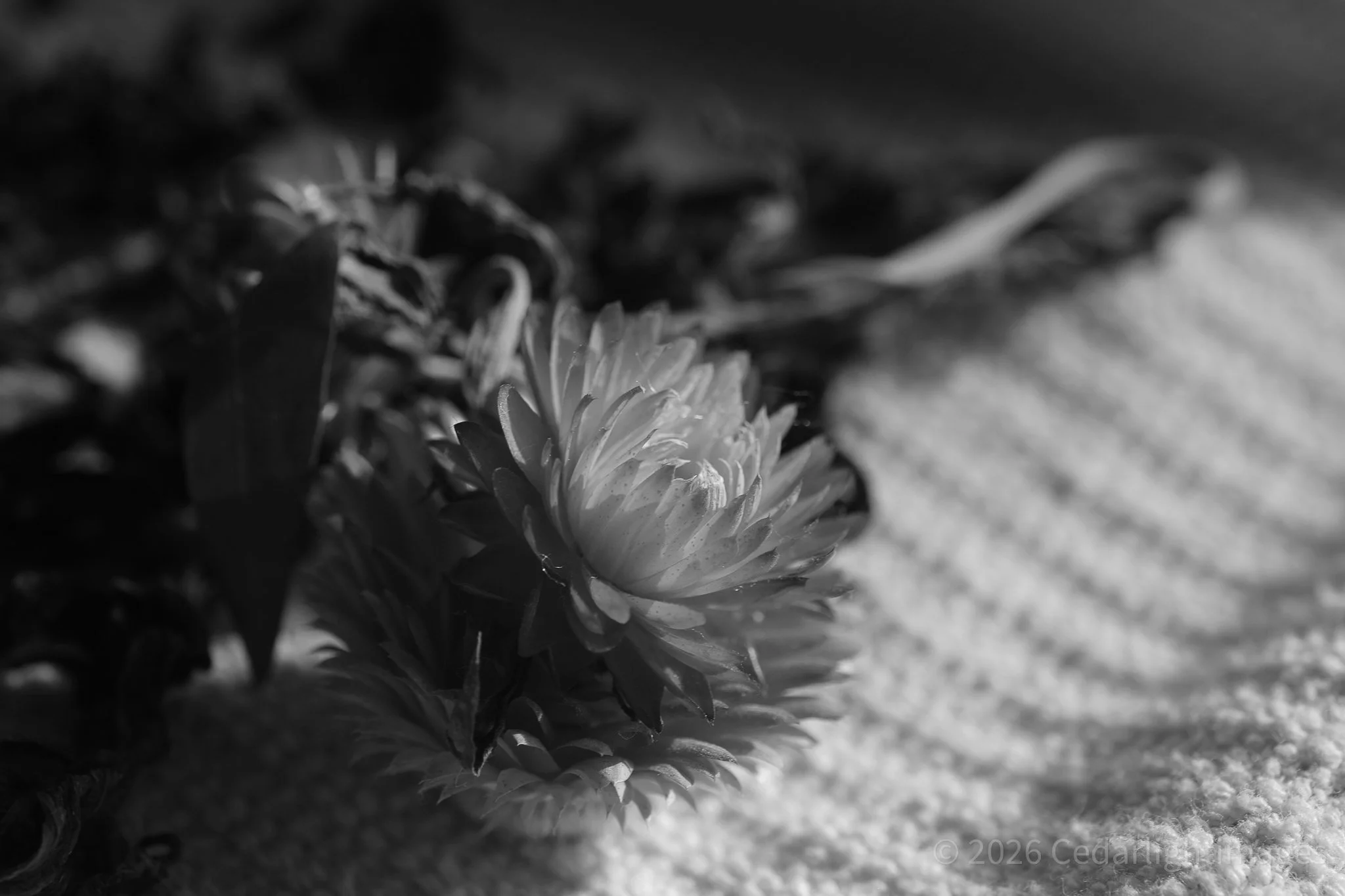
For me, wearing my photographer’s hat, I chose at first a long list: I would do reflections; I would work in black and white; I would only take photos in low light.
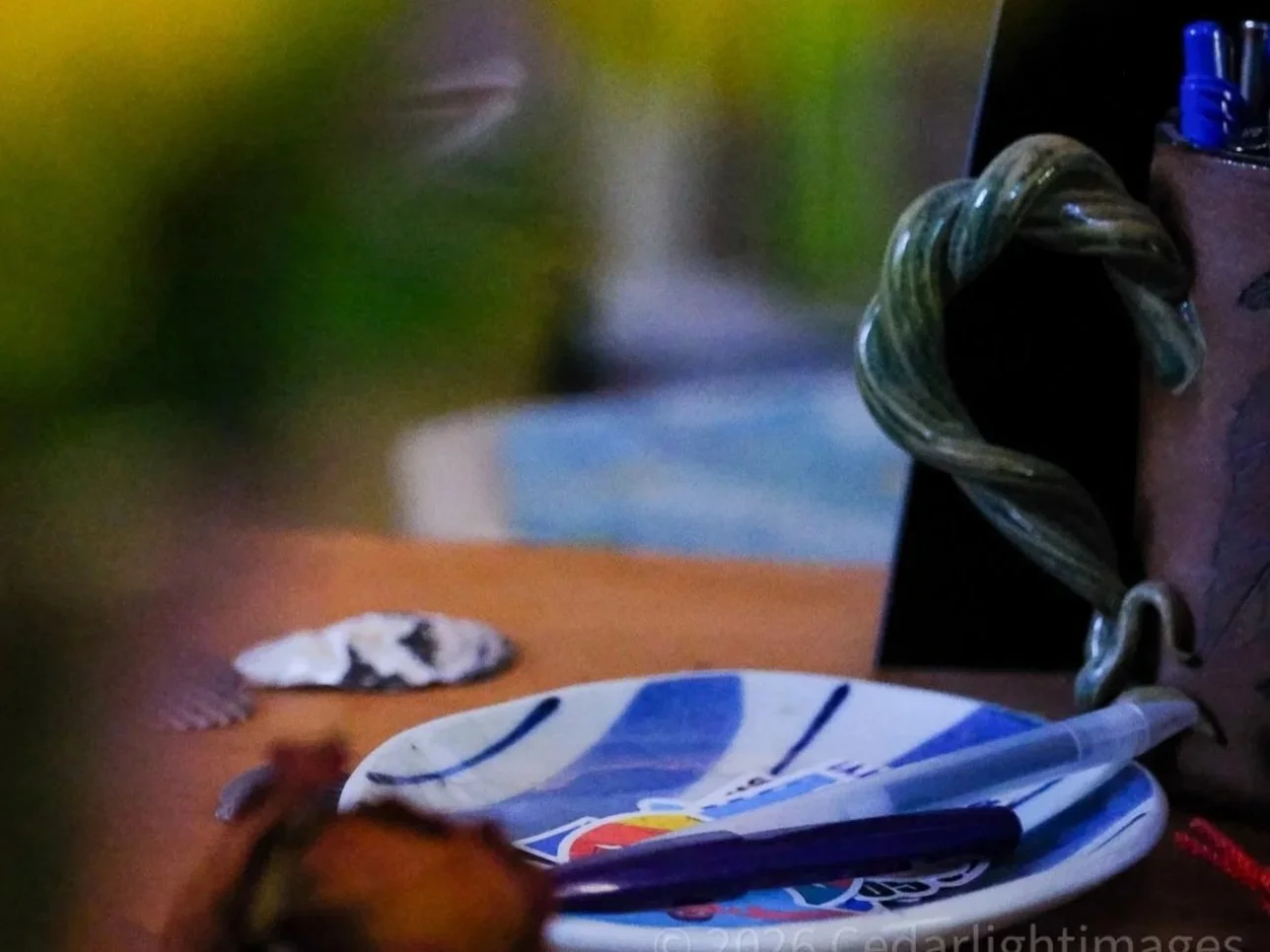
The list went on. I even brainstormed objects…. my messy desk, a basket of laundry, silverware. In the end, I ditched all of those ideas, not because they sucked, but because my actual creative self took over and started being the director.
One of the other creative limitations of this exhibition is to choose a work of literature (and we are using that term very broadly…. any sort of variation of the written word) in order to frame our thought process as we create. One of Katherin’s first suggestions was The Prophet by Kahlil Gibran. But which part? Each chapter contains seeds of wisdom and questions for how best to live. We began to see links; for one, Katherin’s artistic work emerges from our connections to our ancestors and how those stories thrive in us.
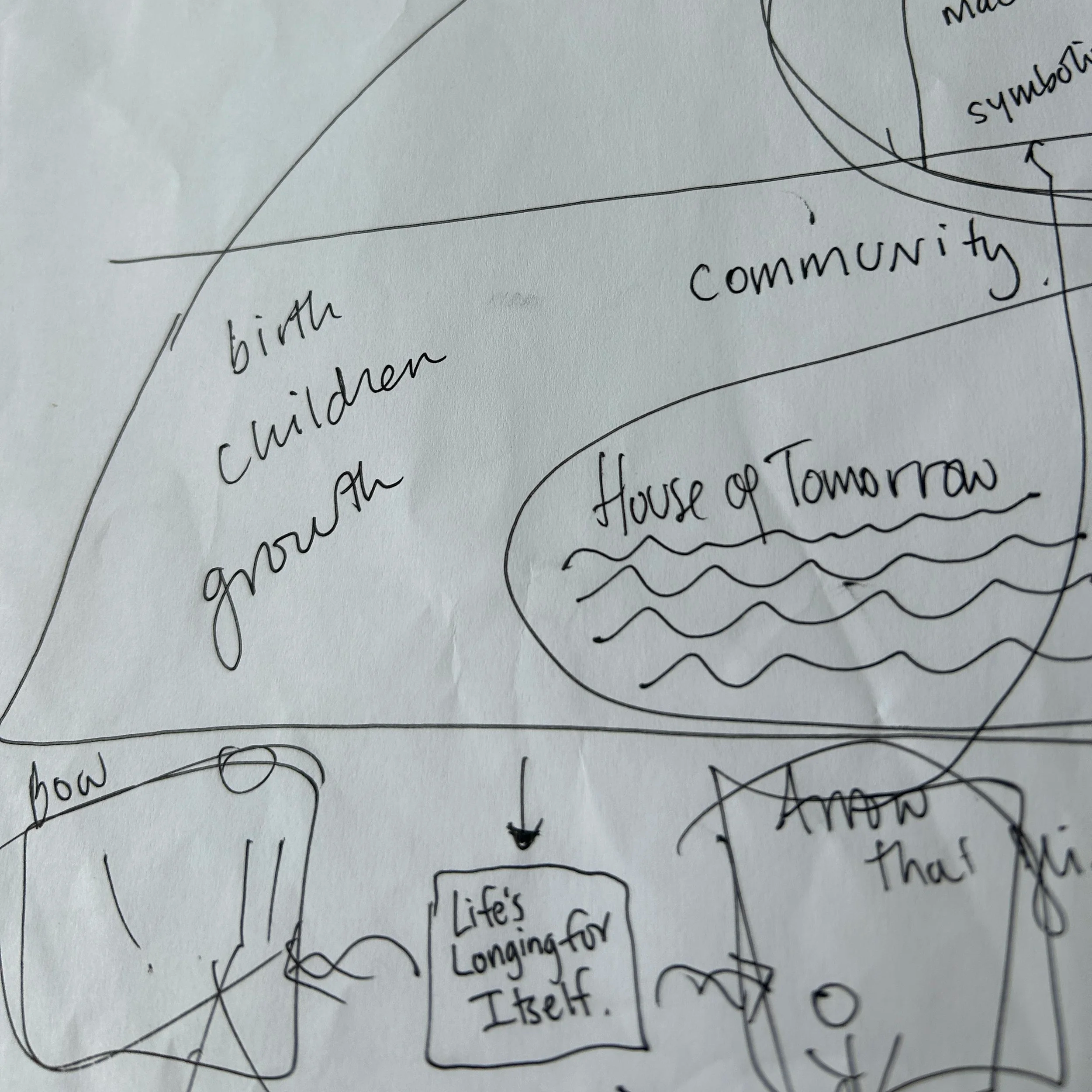
Then we landed on the part of the book about letting our children fly from the nest – children as arrows being set free into life with parents as the bow, and how the path of infinity welcomes us to live.
I’m lucky enough to live on a property with huge and beautiful gardens (only a tiny portion of which can be credited at all to me). Katherin loves nature in art…..
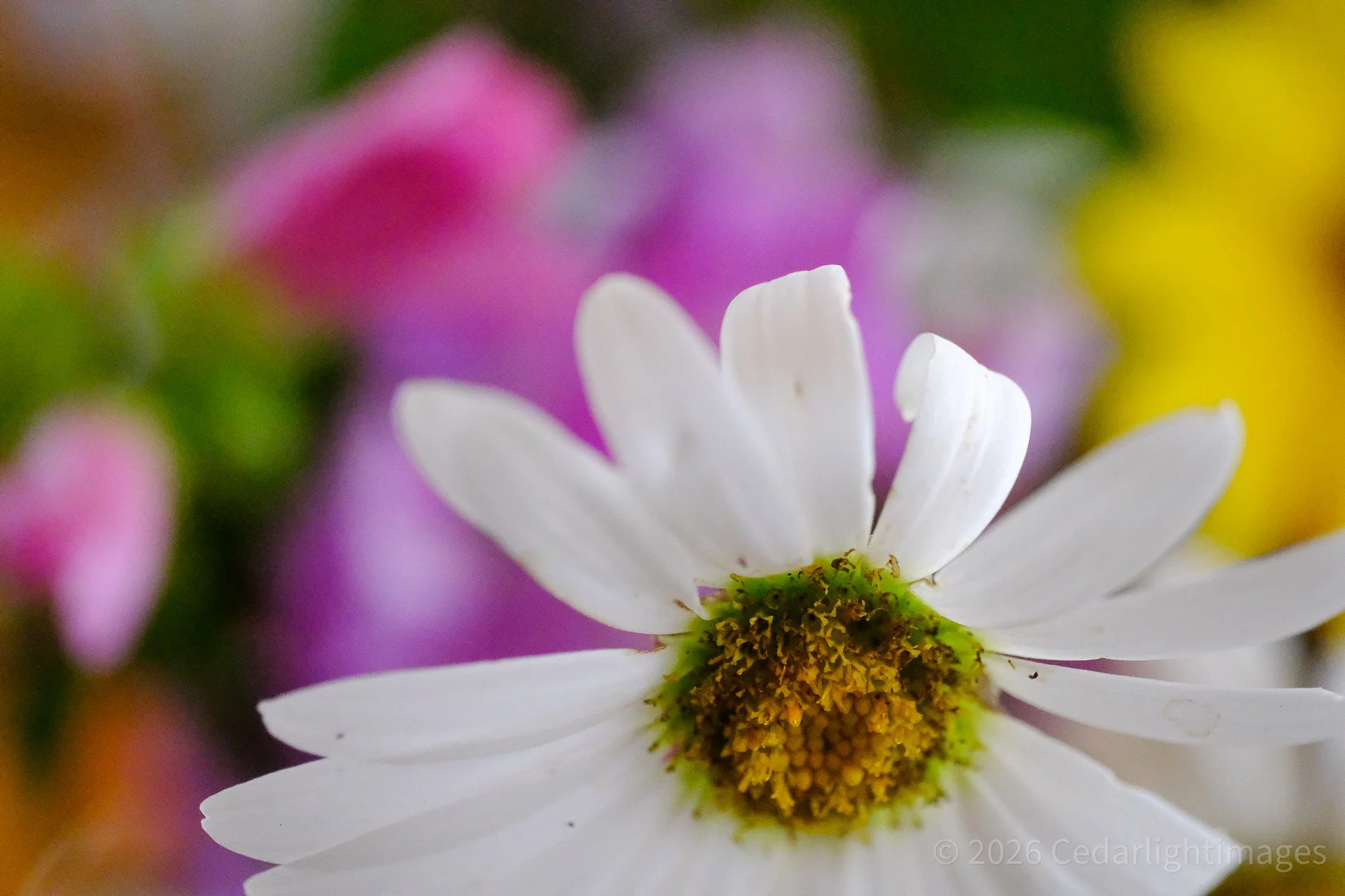
I have flowers galore at my disposal….surely, being in my garden could be one of my creative limits for this project.
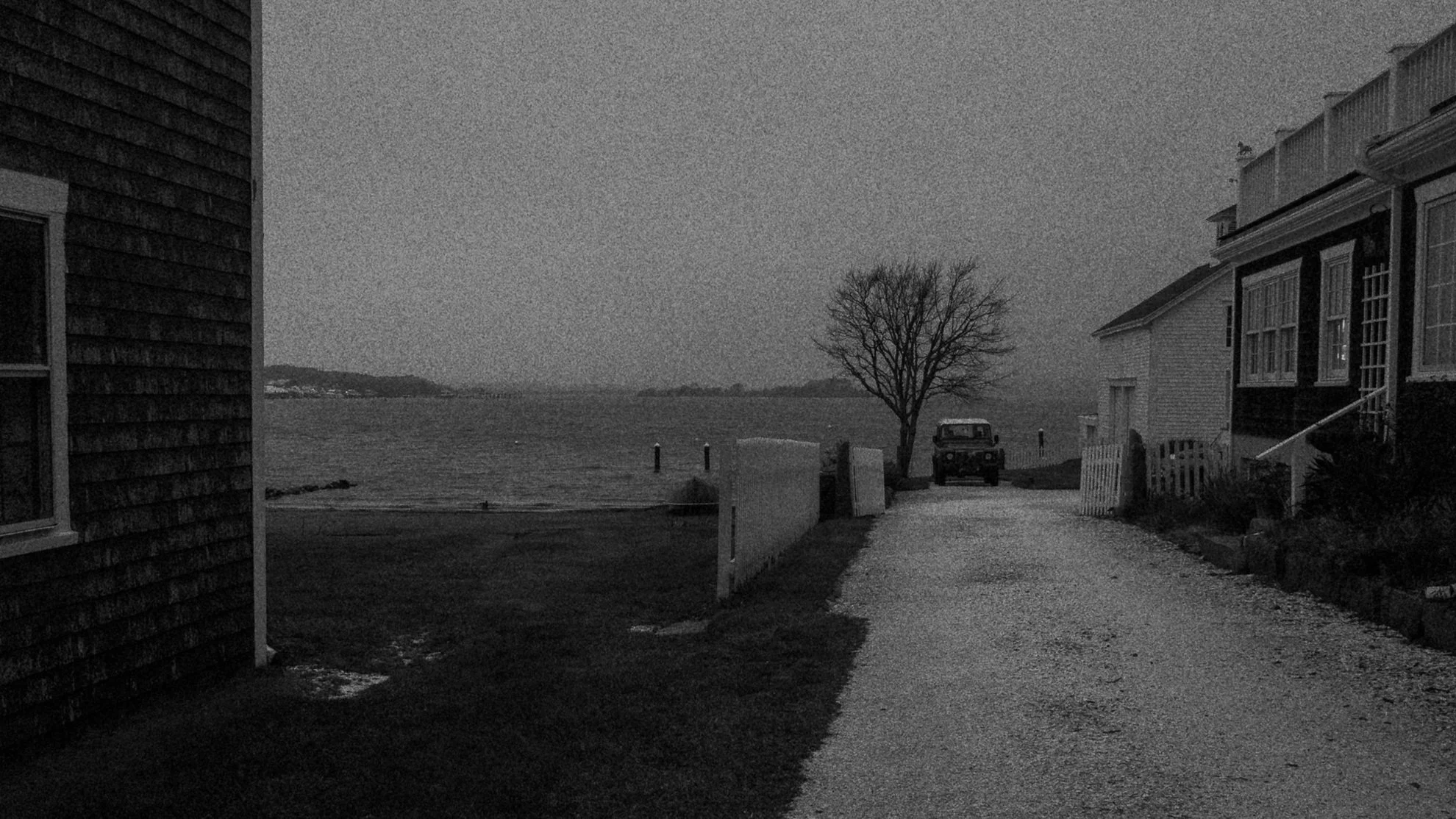
I started off with one rule: I had to shoot at a very high ISO. I’m not letting the camera choose a setting for me – I’m setting the dial on ISO very high and then adjusting – mostly the shutter speed – after the fact. If you don’t know how ISO affects imagery, it controls how “sensitive” the camera is when it reacts to light. At a high ISO in a digital camera, the same amount of light coming in will get more amplified, which can make the image look brighter. That’s why it is usually used for low light imagery. For fun, I decided to experiment with it in normal lighting conditions. As a result, you might notice that the images in the final gallery presentation look “grainy” – another word for lots of pixel noise. Originally, in film cameras, the grain came from the size of the crystals used in pre-treating film. In order to capture more light, larger-sized crystals were used which you could see when the image was printed.
But enough with the science lesson!
Part of my creative self (or, more accurately, part of my perfectionist self) stumbled a bit on consciously creating work that might be perceived as less than ideal. Many photographers, though certainly not all, believe grain is to be avoided. Yet it adds a dramatic and often surreal effect to photographs that can make them feel more alive.
Constantine Manos, a Magnum photographer who published both Bostonians (1974) and Portrait of a Symphony – photos from his time as the official photographer of the Boston Symphony Orchestra at Tanglewood – said that Grain is the brush stroke of photography."
I’m not convinced that my first forays into this can reflect any sort of painterly ambitions (my younger sister Laura is the painter in the family – see her incredible gallery of work here!)
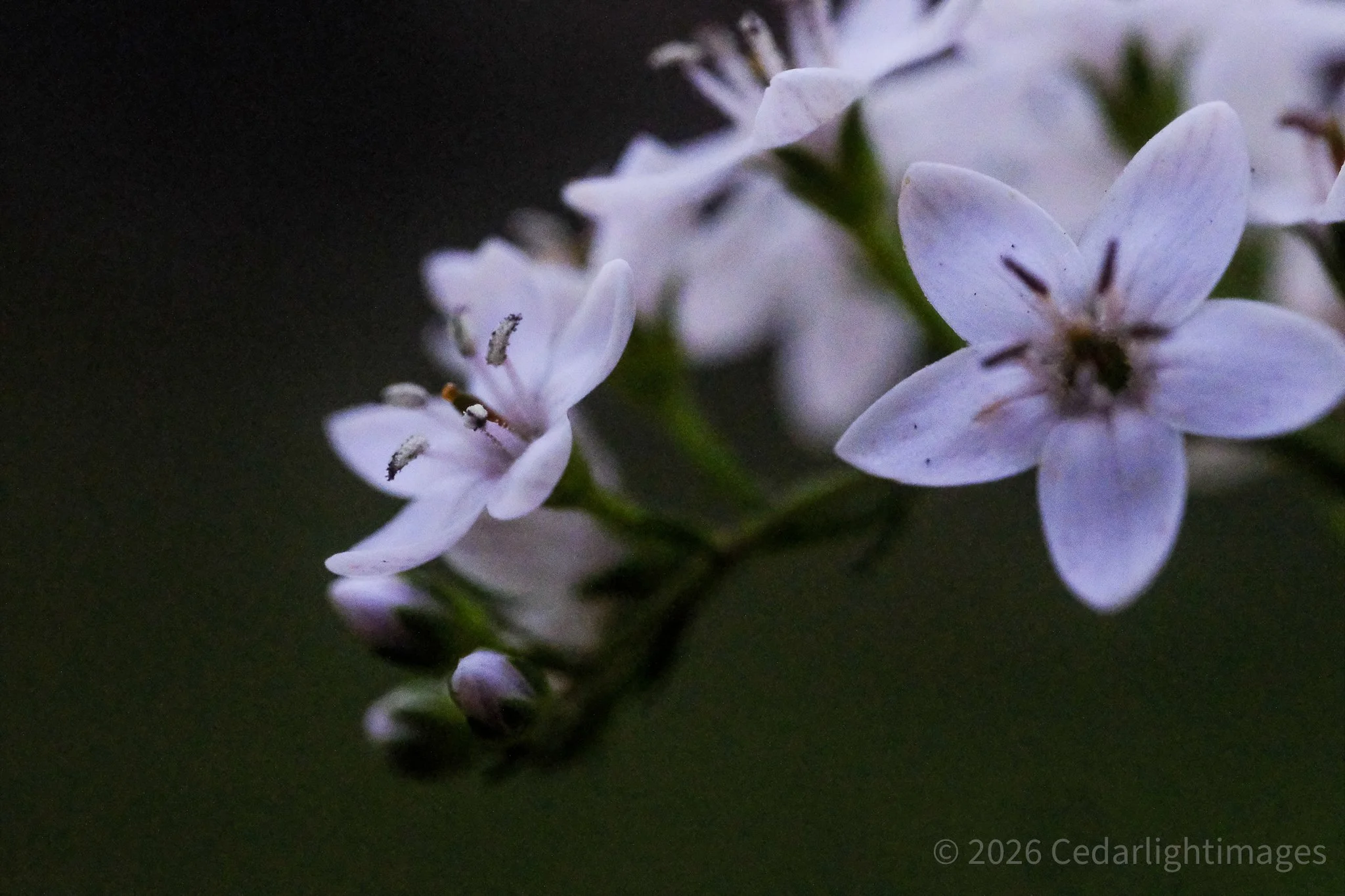
What I do know is that the Creative Catalysts exhibit feels like opening oneself up to creative inspiration without the overwhelm that can sometimes come from sitting down and saying, “Now, what shall I make?” Katherin and I bounced ideas off each other; we got to explore life questions and think about how to reflect those in our creations.
I ended up taking a series of photographs of sunflowers, reflecting the life story from seed to seed. Again, here’s hoping you will join us at our opening reception on October 3 from 4 - 6 pm at Groundwork New Bedford.