
Against the Odds: Black Abolitionists and the Fight for Equal Rights
Contradictions and conflict characterized the antislavery fight in Massachusetts. While the Bay State was in many ways a leader in advocating for an end to slavery and to expand civil and human rights for citizens of color, it also was the site of strong and sometimes violent opposition to abolitionism and virulent and public racial prejudice, just as in most U.S. states during the antebellum period.
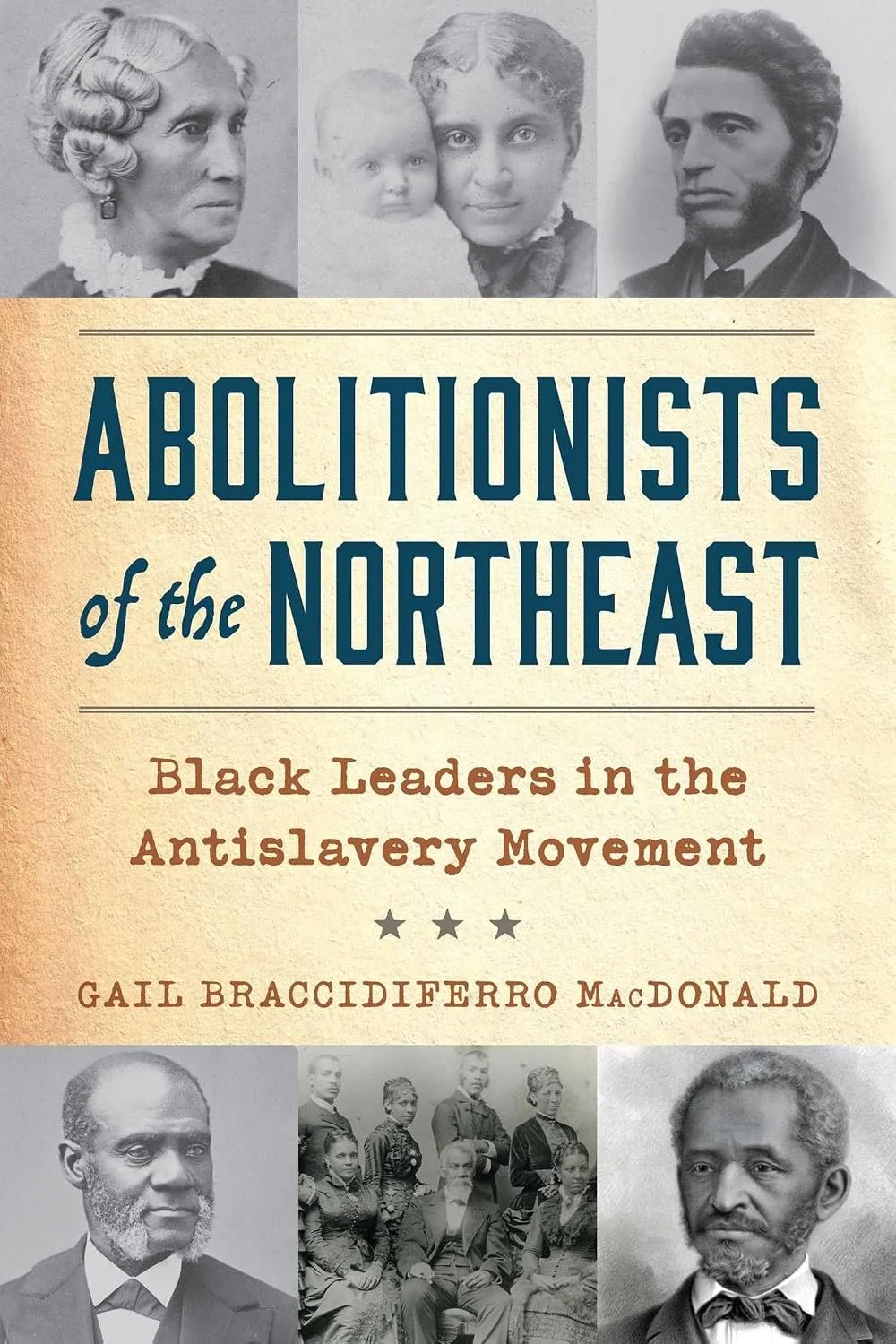
As I researched the lives of the Black leaders profiled in my book “Abolitionists of the Northeast; Black Leaders in the Antislavery Movement,” (published by Globe-Pequot, 2026), I came to understand not only the importance of their work, but also the deep complexities of the movement that ultimately led to the Civil War and the end of the institution of slavery in the country.
On the side of antislavery, for example, Boston was the home of the country’s leading abolitionist newspaper The Liberator. Massachusetts also was among the first states to outlaw slavery and to grant Black men the right to vote. Cities such as Boston and New Bedford had relatively large communities of free Blacks where self-emancipated slaves also were welcomed.
Yet Boston is also where The Liberator’s publisher William Lloyd Garrison was attacked by a pro-slavery mob from which he only narrowly escaped with his life in 1835. The city also was the site of a violent racially motivated riot in 1843. Black leaders such as Charlotte Forten and Sarah Parker Remond experienced the wrath of racial prejudice in Massachusetts. Forten frequently wrote about being shunned by her Salem classmates and Remond was thrown down a flight of stairs in a theater when she tried to sit in a choice seat for which she held a ticket.
The argument over so-called colonization, and the related but substantially different Back-to-Africa movement, is one specific topic that well illustrates the complexities of contemporary attitudes toward race-based issues in the period. While the number of Americans calling for the abolition of slavery began growing after the early 1800s, a substantial number of white citizens who considered themselves abolitionists did not extend their desire to end slavery to an accompanying desire to offer equal rights and opportunities to residents of color.
Many Americans feared that ending slavery would create an onslaught of Black residents who would threaten white society. As such, they advocated for colonization - the forcible relocation of Black Americans to Africa.
While the colonization movement was steeped in racial prejudice, both somewhat earlier and at the same time, some Black leaders advocated for a Back-to-Africa movement.
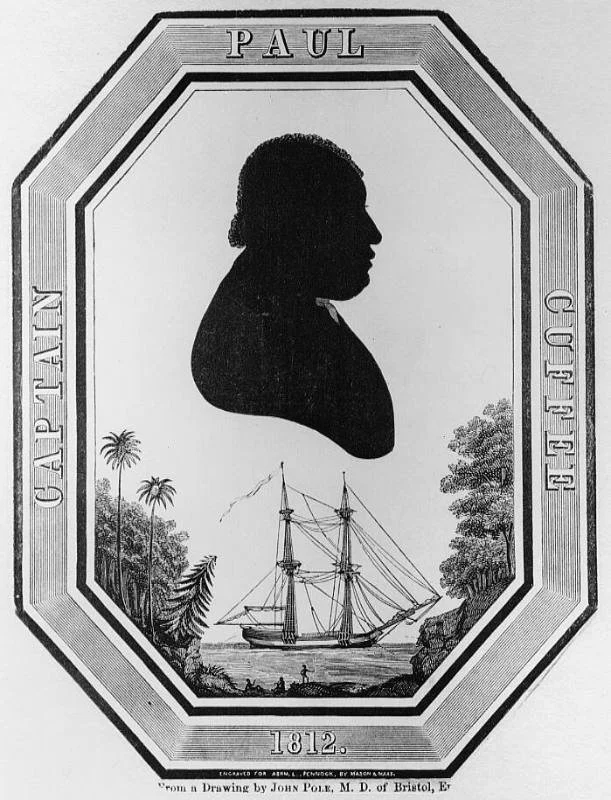
Leaders such as Paul Cuffe, a wealthy and influential man of color from Dartmouth, Massachusetts, believed strongly that Blacks would never gain full acceptance nor the economic and educational opportunities that accompanied such acceptance, while living in white-dominated America. Cuffe believed Blacks could instead have more peaceful lives full of much more promise by voluntarily relocating to Africa and establishing communities there.
In 1811, Cuffe founded the Friendly Society of Sierra Leone to encourage voluntary migration. In 1812, at a meeting with President James Madison focused on recovering Cuffe’s ship The Traveller that had been confiscated because of Madison’s Non-Intercourse Act prohibiting trade with Britain, Madison, no doubt foreseeing the thorny issues related to slavery that lay ahead, queried Cuffe intensely about the Back-to-Africa concept.
In 1815, Cuffe sailed a group of 38 people of color aboard The Traveller to resettle in Sierra Leone. Cuffe spent $5,000 of his own money, an amount that would be equal to more than $100,000 today, on the project.
While Cuffe saw this as the first of many voyages to resettle Americans of color, many other Black leaders were becoming adamantly opposed to the movement. By 1817, some 3,000 Black leaders at a meeting in Philadelphia passed a resolution voicing their virulent opposition to the project, instead doubling down on demands that, as Americans, they were due the right to freedom and equal opportunities at home.
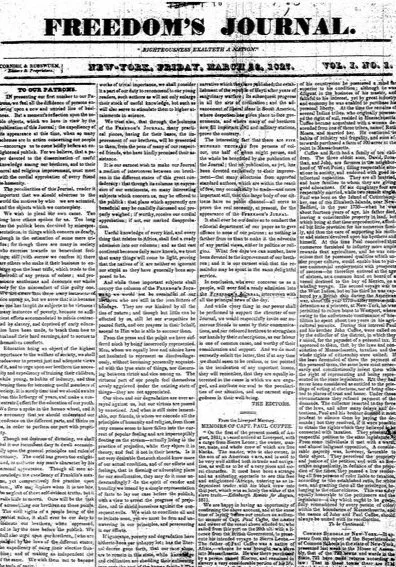
Other Black leaders also found themselves caught in the controversy. John Brown Russwurm, who, along with Samuel E. Cornish, established Freedom’s Journal, the country’s first Black-owned and operated newspaper, favored the Back-to-Africa movement.
Cornish did not. Russwurm, who spent much of his childhood and was educated in Maine, traveled to Monrovia, Liberia in 1829 and in 1836 became the governor of the colony of Maryland, Liberia.
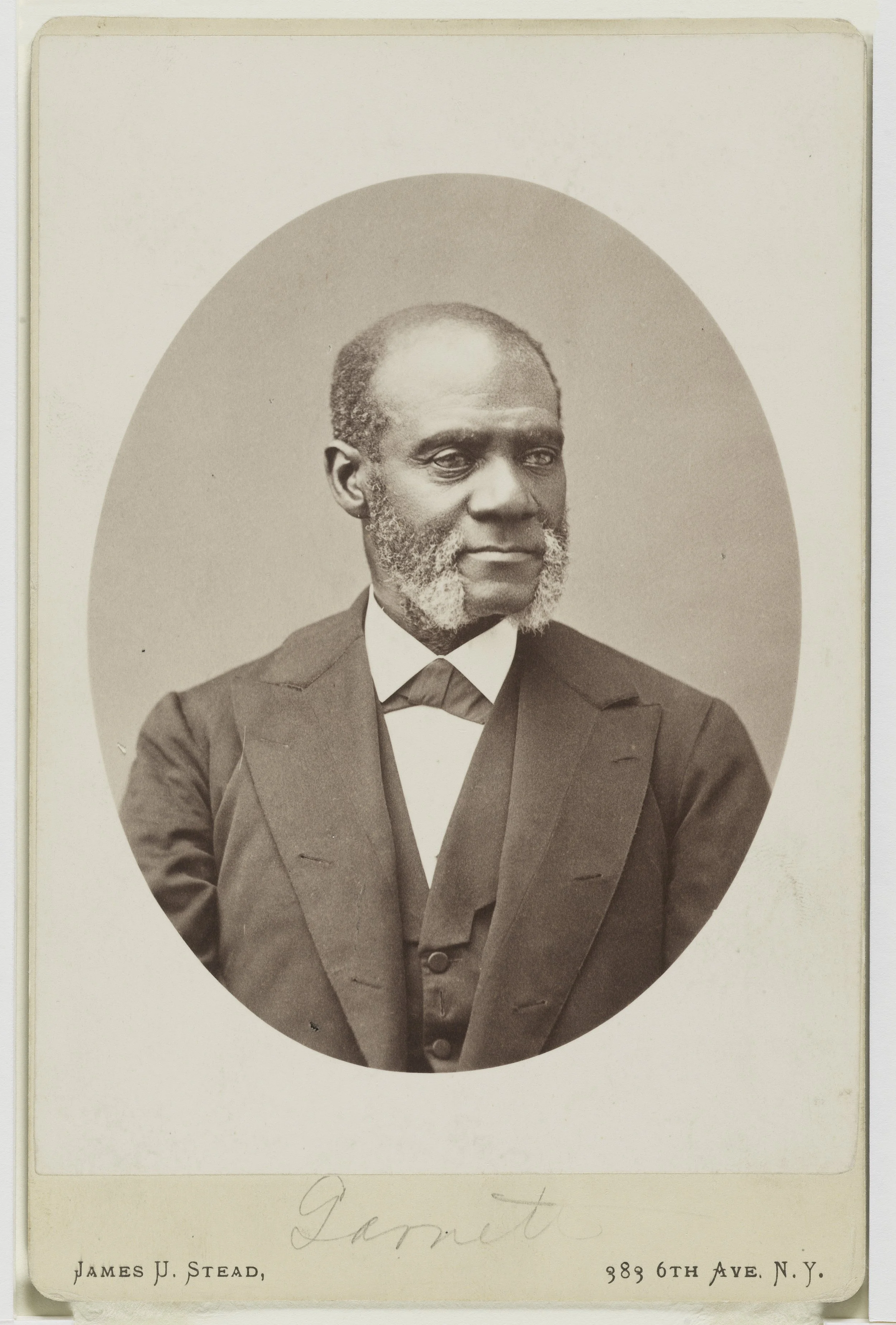
Henry Highland Garnet, who was considered a radical Black abolitionist, also believed in the opportunities Africa held for people of color. Garnet was born into slavery in Maryland, but resettled with his family in New York City after they self-emancipated. Along with being a fiery antislavery orator, Garnet became a minister and in 1859 established the African Civilization Society.
In 1881, President James Garfield appointed him to a position that was equivalent to being the American ambassador to Liberia. Garnet was enthusiastic about his new position because he had always dreamed of going to Africa.
Yet besides the philosophical and societal differences that fractured colonization, perhaps an even bigger challenge were the health threats Americans faced in Africa. Garnet, for example, died of malaria just two months after arriving in Liberia.
We often seek to simplify history and historical events, believing they were either all one way or all another. This thinking, however, is flawed because history, just as are current events and philosophies, is complex and full of gray areas. Such was the antislavery movement in America.