Addicted To Rejection: Getting Published with Imposter Syndrome
“After thoughtful consideration, we’ve decided not to move forward with this submission.” - Cosmic Daffodil Journal
“While we don't feel this particular piece is the right fit for Luna Station Quarterly at this time, we enjoyed your unique perspective and creative vision.” - Luna Station Quarterly
“Rejections suck, we get it. But, hey, you are doing the thing!” - Rag Bag Lit

These are only a few examples of the dozens of rejection emails I’ve received this year. So far. I expect many more. Why? Because I’m finally submitting my writing. As a writer who experiences Imposter Syndrome, this is a huge step.
What is Imposter Syndrome? It’s a pattern of thinking, often dominated by perfectionism, where people feel shame from even the tiniest of mistakes. People who suffer from it are often high achievers–but they don’t feel like they are. Instead, they feel like frauds.
Here are some paraphrased examples of my behavior:
NicePerson: “I really loved that piece you wrote!”
Me: “Oh, great! Yeah, I didn’t think X really worked. I wish I’d had the time to do more character development, but I’m glad you liked it.”
Instead of accepting the compliment, my brain is totally focused on what I thought were the piece’s shortcomings.
NicePerson: “We enjoyed reading your story. While it’s not a good fit for this particular issue, we encourage you to submit more work to us in the future!”
Me: [Sigh. They hated it. What was I thinking? I must not have written close enough to the advertised theme. Everyone else is so much better at this than me.]
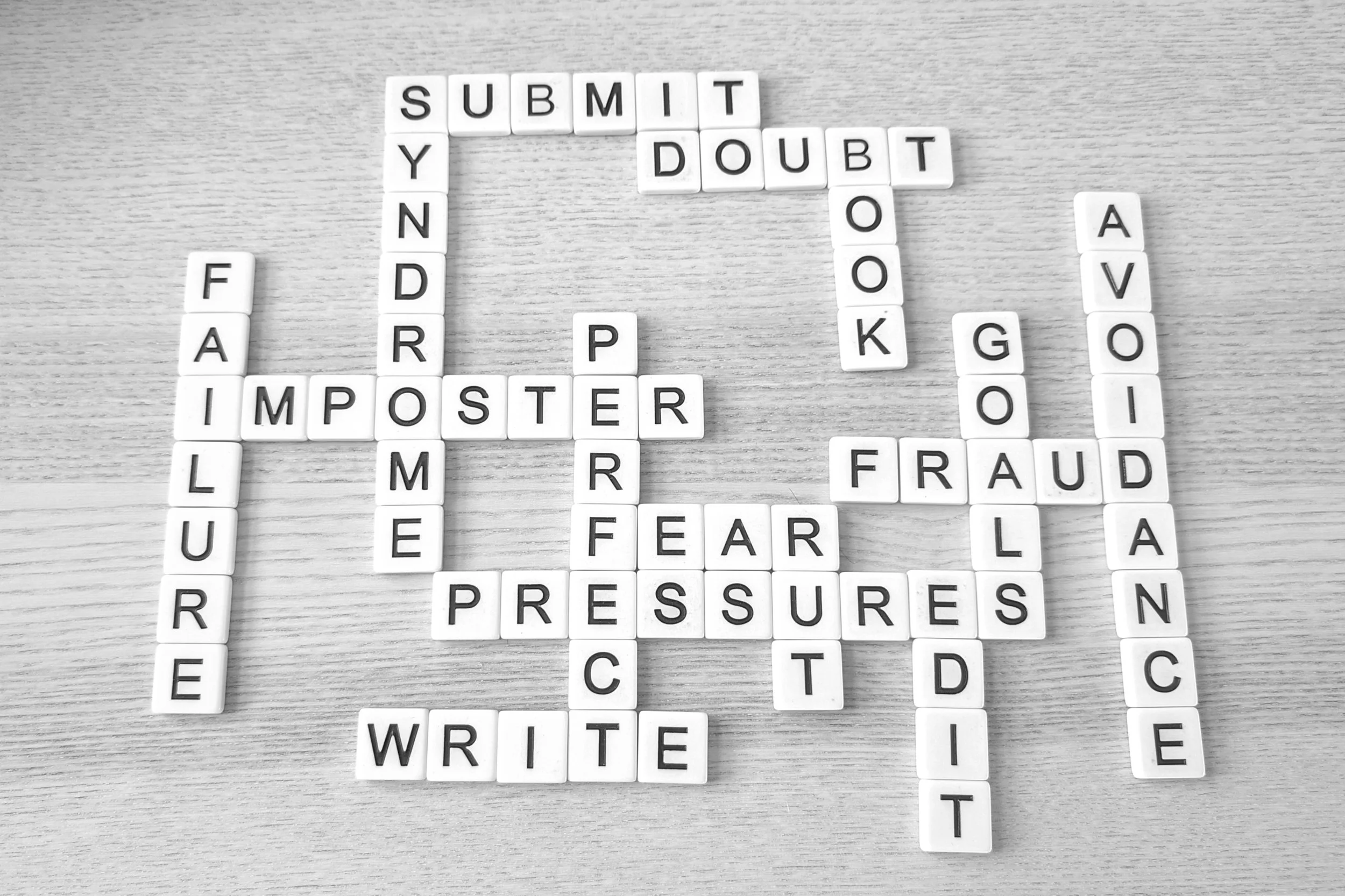
You see the pattern. No matter if the response is bad or good, my brain focuses on the negative. Invents it. Wallows in it.
I convince myself that I cannot possibly live up to the standards that others appear to so effortlessly achieve. With this subconscious narrative dominating almost everything, how do those of us with these feelings push forward and succeed?
START SMALL:
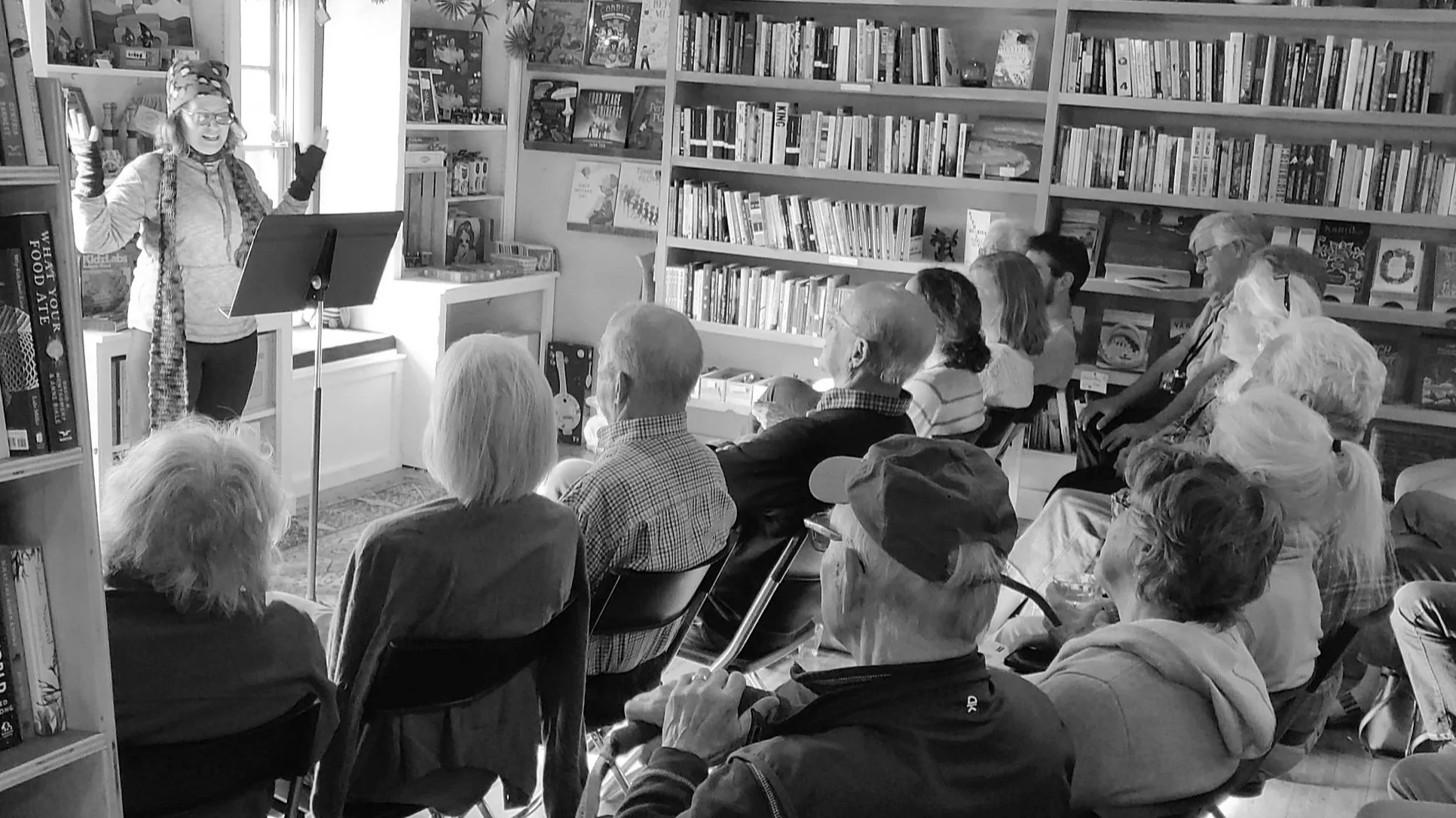
First, you’ve got to become comfortable sharing your work. With a real person. It can be anyone. A spouse or friend can work. Better yet, join a writing group. Don’t like meeting in person? Use Zoom. But you’ve got to do it. Most casual groups lavish praise versus helpful criticism. But it’s a good place to begin.
Next, it’s time to ask for constructive criticism. Steel yourself and ask specific questions about your writing. Listen to the feedback. This, above all else, will make your writing better. (The other thing that will improve your writing is reading a wide variety of other people’s writing.) Once you’ve accepted the helpful feedback, do the work it takes to improve. Edit. Write something new. Refuse to get stuck in a rut writing the same types of things day in and day out.
Once you’ve got a version of something you feel good about (or as good as it’s gonna get), it’s time to figure out how to get it published. Sure, you can self-publish. You can print off an adequate copy on your home printer, or you can pay lavish sums to have your pet project look pristine and professional. But that won’t guarantee it’ll get into the hands of real readers.
It doesn’t matter if you write a blog post, enter a contest for a 100 word piece of flash fiction, or submit a query for a 500 page manuscript. What matters is that you start submitting. Sometimes, it can be as simple as producing a small collective project with your writing group. Look for a regional poetry anthology accepting submissions. Check new start-up publications and Substack zines. Write a letter to the editor of your newspaper or record a family recipe for a local cookbook. Anything to get used to the feeling of sharing your work.
If you’re young or still in school, you’re in luck. There are low-pressure opportunities to contribute to a school newspaper, report on a sporting event, or write a piece for the annual yearbook. Universities have focused journals that may give you priority consideration. If you’re no longer a student, don’t despair; most of these publications accept work from outside authors, often for free.
Don’t waste your time and money submitting to magazines or contests that require you to pay a reading fee. Save those–if you ever bother with them–until after you’ve gotten a handful of favorable responses to your submissions and have held your published words in your hands. Writing is work. You shouldn’t have to go broke paying someone else to read it. Your goal, eventually, can be for someone to pay you, even if it’s only enough to cover the printing costs.
SET A GOAL:
Keep writing, writing, writing. That should always be your primary goal. You must write in order to submit.
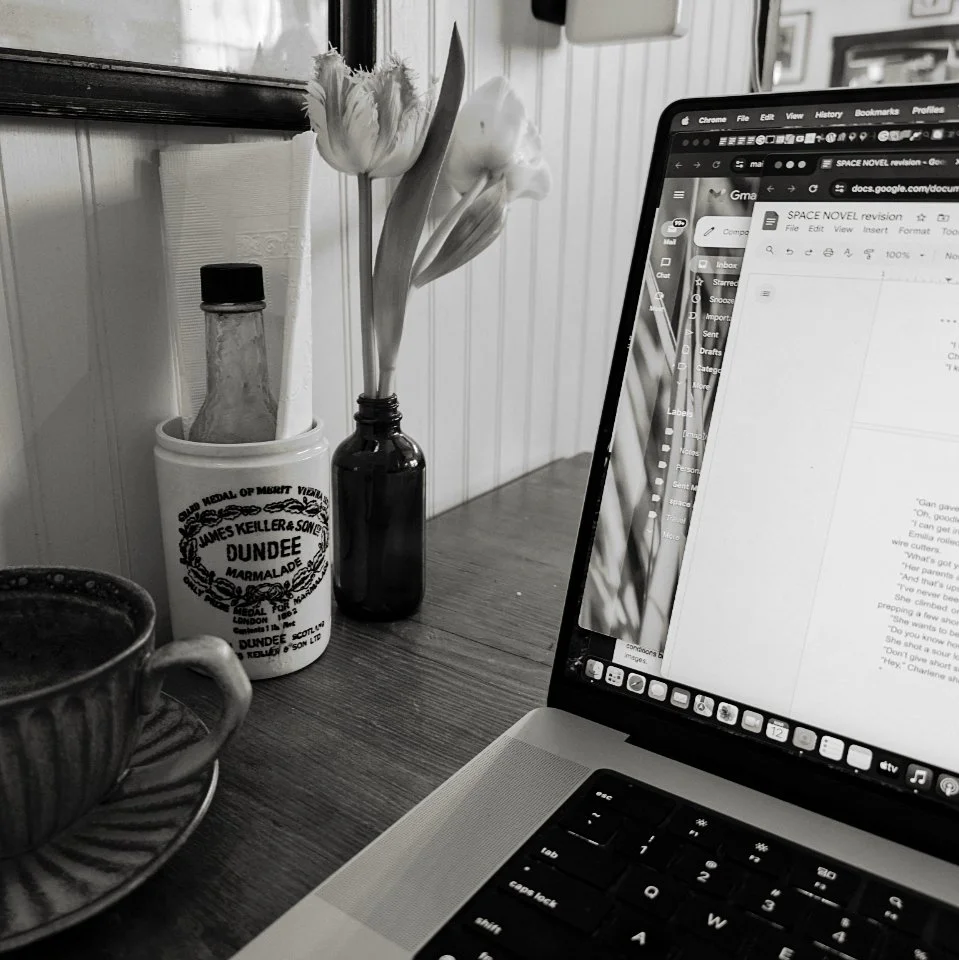
And to create pieces worth submitting, you have to write. A lot. Often. Probably every day. And probably for a significant portion of each day
Don’t make excuses. Even when I was in the middle of a divorce, with four young children, and working full-time, I made the time to write. I wrote a few “practice” novels (which I self-published) by getting up at 4am before the kids, and writing for two hours every morning. Later, I found a website looking for content on a subject in which I was an expert, and got my first regularly paying gig.
Still, no matter that an objective observer would consider these small successes proof that I can write, my imposter syndrome still bullies its way in. Recently, after some successful local projects with Midori Creativity, I decided to set an ambitious goal. I needed to get used to rejection. After reading Stephen King’s book On Writing, I learned that a massive quantity of rejection letters can be a goal in itself. If you have 200 rejection emails in your inbox, that means you’ve submitted your writing at least 200 times! This is an incredible accomplishment! And there’s no way that you can submit that many times and not have your writing improve (provided you’re not submitting the same exact piece to every potential publication).
SUBMIT:
My personal goal for 2026 is to submit six pieces of unique work per month. If I meet that goal, that’s 72 submissions! Woohoo! So far, I have exceeded that goal many months. Other months, I’m eking out three submissions in the final twenty-four hours to fulfill this promise to myself. But I’m getting it done. No excuses. And I’m receiving those letters of rejection.
I’ve changed my perspective about what they mean. Because in addition to the rejections, I’m also getting acceptance letters. Some of the accepted pieces are published in small press magazines that will print almost anything (or perhaps that’s just my Imposter Syndrome speaking). But other work has been accepted to bigger anthologies, poetry journals, and even a few paid publications.
I have become addicted to these rejection letters. It means someone is (probably) reading and considering my work. While much of the time, the responses are formulaic, sometimes I receive personalized replies with constructive criticism, a heartfelt plea to please submit again for a specific edition in the future, or a referral to an editor at another magazine where it might be a better fit.
I still often feel like my successes are just a string of good luck. Or that there must have been a low number of submissions to the journal that accepted my work. Whatever excuse my Imposter Syndrome dreams up that day.
I sincerely hope that if it is your dream to get published–to get your work into the hands of readers out there in the wide, scary, world–that you’ll give it a try. On the bright side, I’m probably my worst critic, so how bad can another rejection letter actually be?
“It is my pleasure to let you know that your work has been shortlisted for consideration. Congratulations!”
“I am absolutely delighted to tell you that I would love to include the poem” - Dismantling Press