Land, Water, Spirit… and Ecowriters
As artists and writers, we know well the inspiration that can arise from being in nature. The push and pull of the tides, the peaceful quiet of a forest walk, and the dramatic and impressive majesty of a mountain range have all been the seeds of many a novel, painting, or creative impulse. In fact, Write With Community itself owes its origin story to the Westport Writesproject where writers responded to seasonal prompts about connections to our local landscape along the South Coast of Massachusetts.
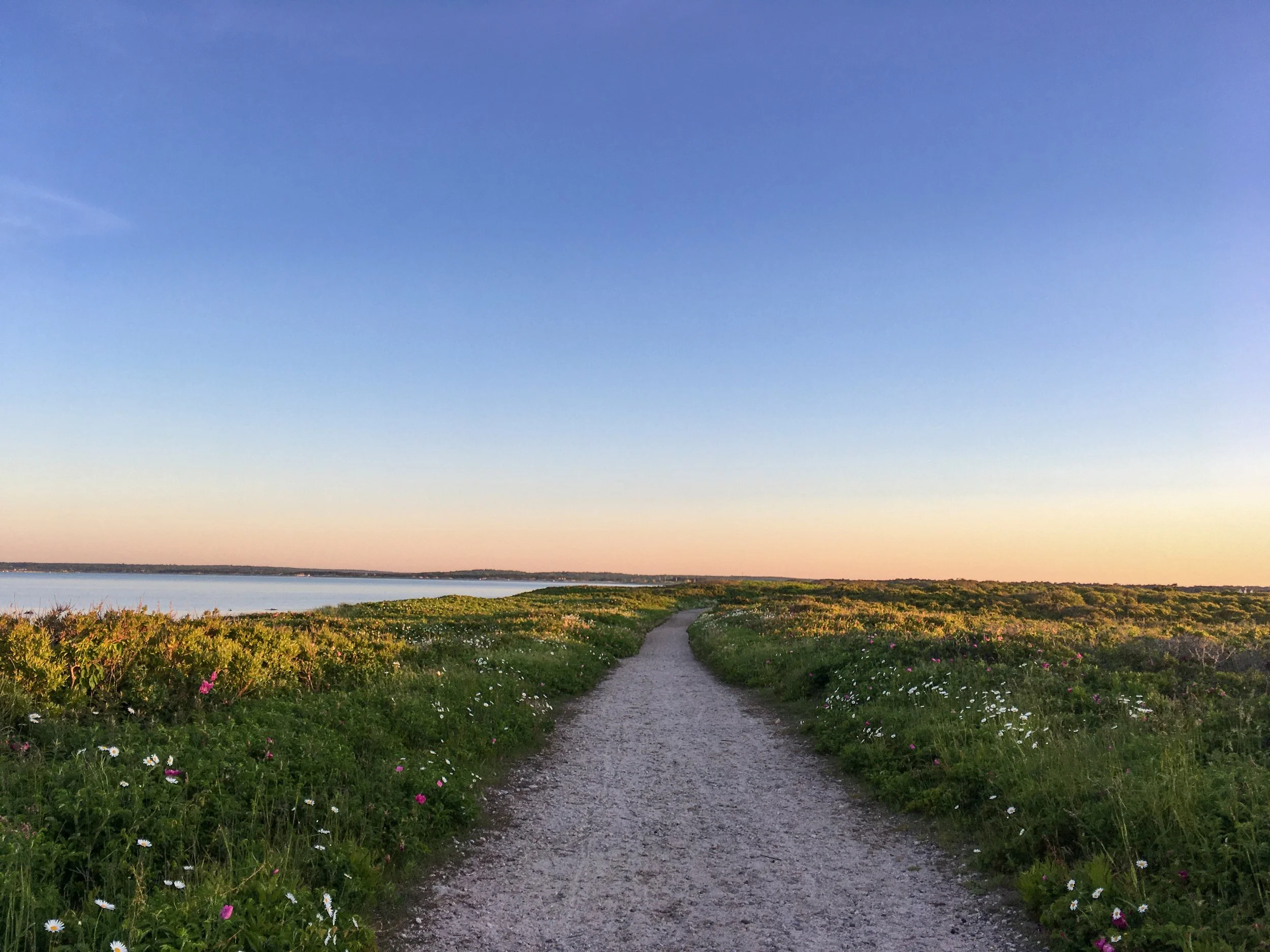
Gooseberry Island photo credit: Midori Evans
What do we do when we look at landscapes? If an image, do we place ourselves into the photo somehow? Does the title of the image affect our interpretation? If in real life, are we aware of the temperature, the light, the time of day? Do we remember a time when we have been to that same place?
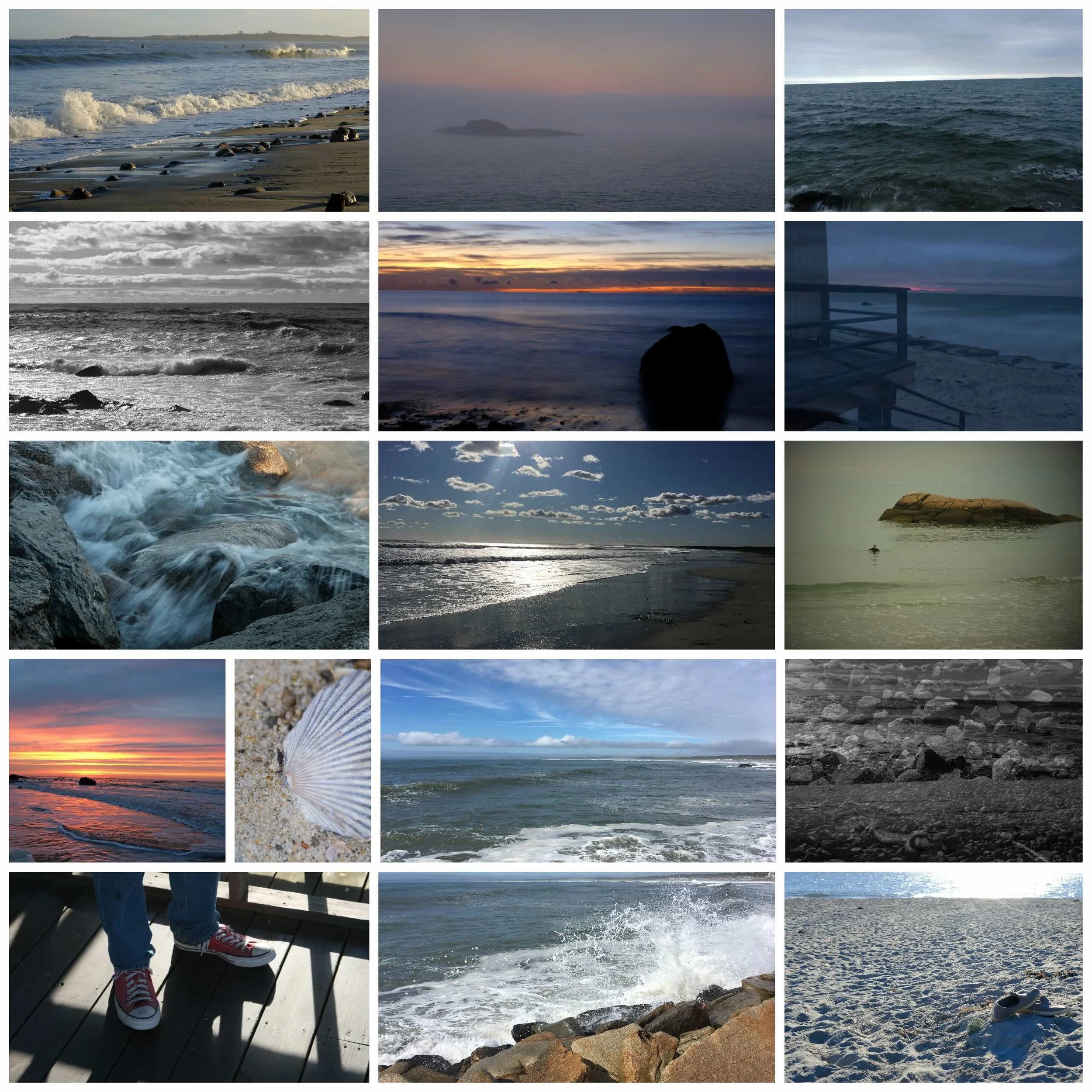
photo credit: Midori Evans
Landscapes, too, come in all shapes and sizes. Artists may define landscapes one way, geographers a second, sociologists a third. We use the term landscape when we reference a situation — as in “the political landscape of the twentieth century” or the “economic landscape we are familiar with.”
The word itself comes from the Dutch language, the word landschap, used by painters to describe scenery – “an expression of the land” – to distinguish it from the subject of a painting. Painters would scan the horizon and include what they saw, from natural features like rivers and hills to the cities and towns built and shaped by people.
Our human relationship with the Earth these days can be quite fraught. With climate change, war, vast technological changes and overall just too much input, a lot of us never have time to be in relationship with Earth. As a Quaker, I am lucky to spend time waiting and listening to messages that come in the quiet. At my local Quaker meeting house last year, we invited environmental stewards and writers to come together to discuss the role of artists in caring for nature. When I say artists I mean all artists, literary artists included!
One of the quotes we loved comes from Quaker Earthcare:
We need to first develop a relationship with the place where we live, whether that is in the middle of the city or in the wild. The land is below us, supporting us, and we are in relationship with the land whether we acknowledge it or know it or not. We need to learn more about that land, how it was formed, what was there before us, and how it has changed. We can then ask what the land needs… In time, we may even come to know that we and the land are one.
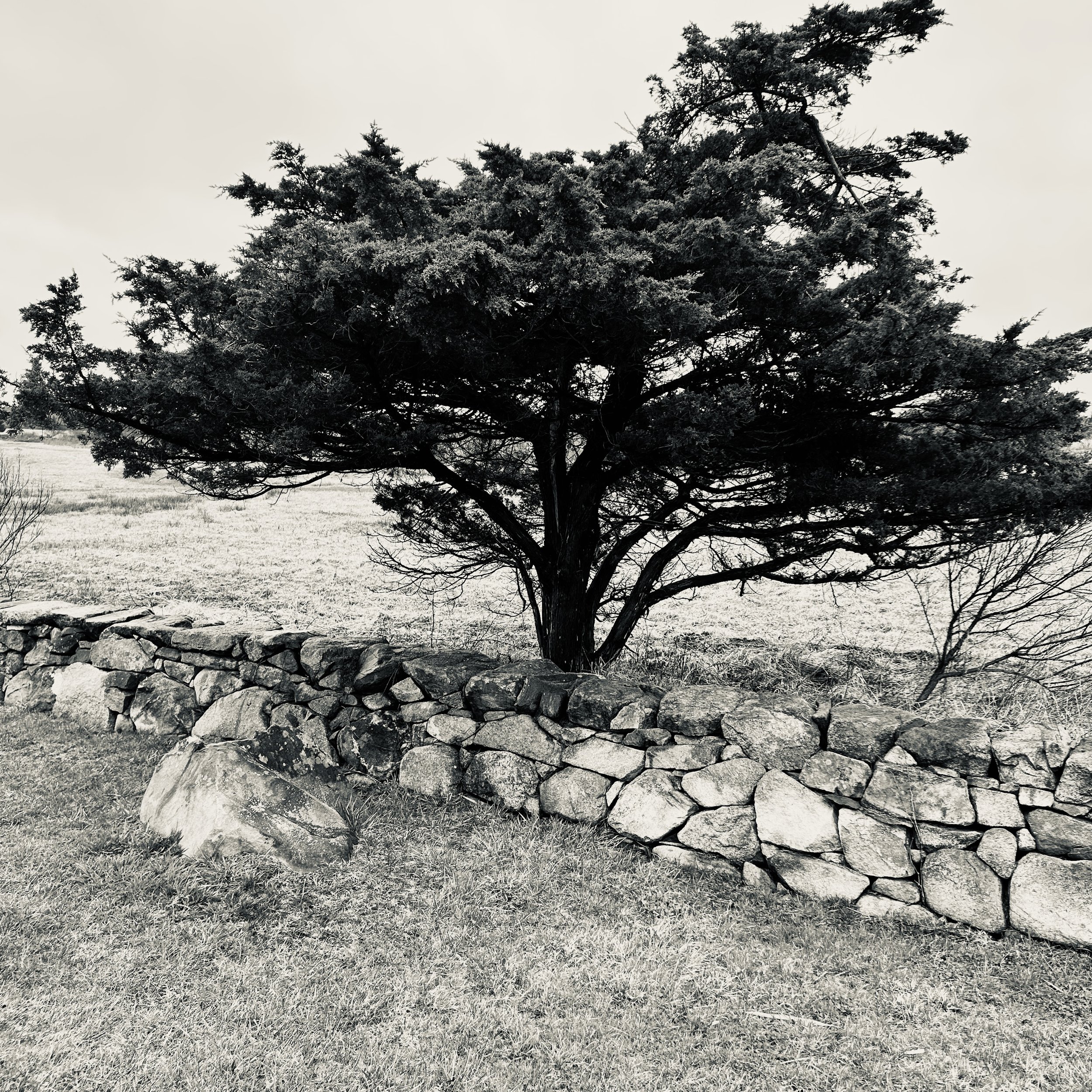
photo credit: Midori Evans
We then moved beyond that to the question: How can we develop a land ethic that becomes second nature to our daily thinking, living and creative expression?
All of these questions open us to reflection about not only our role in preserving our natural world but also in what might happen if there isn’t enough nature left to preserve. How do we respond to climate change? We have both a role and a responsibility to preserve the places that we care about.
If you’re interested in a deeper dive into the spiritual sustenance that can come from spending an entire week writing, walking, and being nurtured as an eco-writer, check out the Thrushes’ Hermitage: A Spiritual Retreat for Eco-Writers happening July 13 - 17 in North Andover, MA.
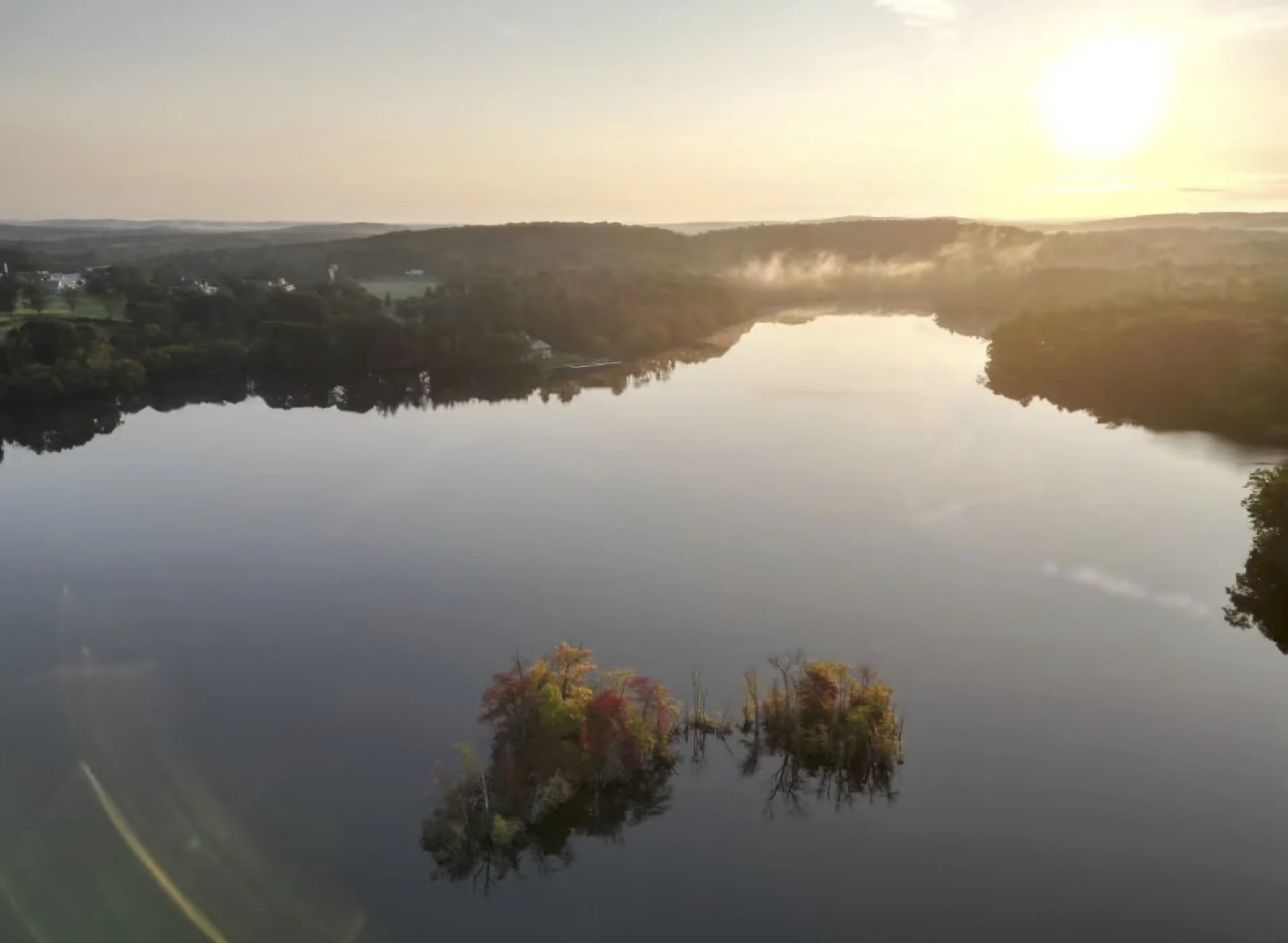
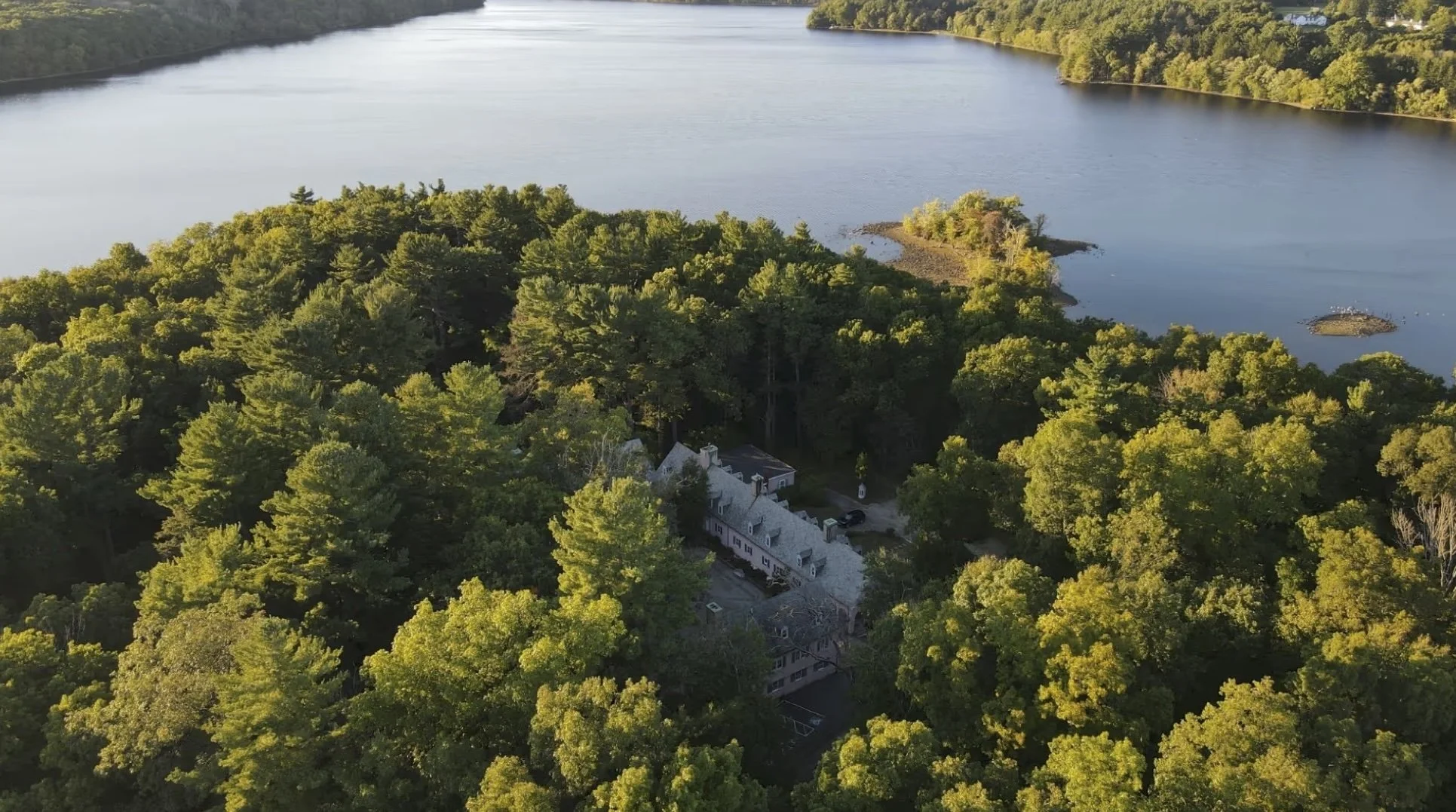
38 acres of walkable space and trails — alongside historic gardens, outdoor labyrinths, and an open-air chapel — plus, spaciousness to devote attention to your writing
When asked why a spiritual retreat, the wonderful people running this writing retreat replied, “Writing can emerge in the interstices of our day-to-day lives. But giving ourselves spaciousness and the nourishment of spiritual practice can lead to creative revelation, cross-pollination, and the perspective that only comes with migration.” Hosted at Rolling Ridge, they create the space for that connection to the land and the time to write that opens the door.
They only have three spots left!
Email ash@thebtscenter.org if you have questions.
Meanwhile, back at home, with the long days of summer upon us, I hope you are writing. While you’re boating or swimming, compose stories in your head. When you’re walking, remember how much we have to be grateful for and also think about what you can do. Writing is not a solitary act. Readers and listeners take your words to heart when they encounter them. What can you do today to help all of us be connected to our water and landscapes?
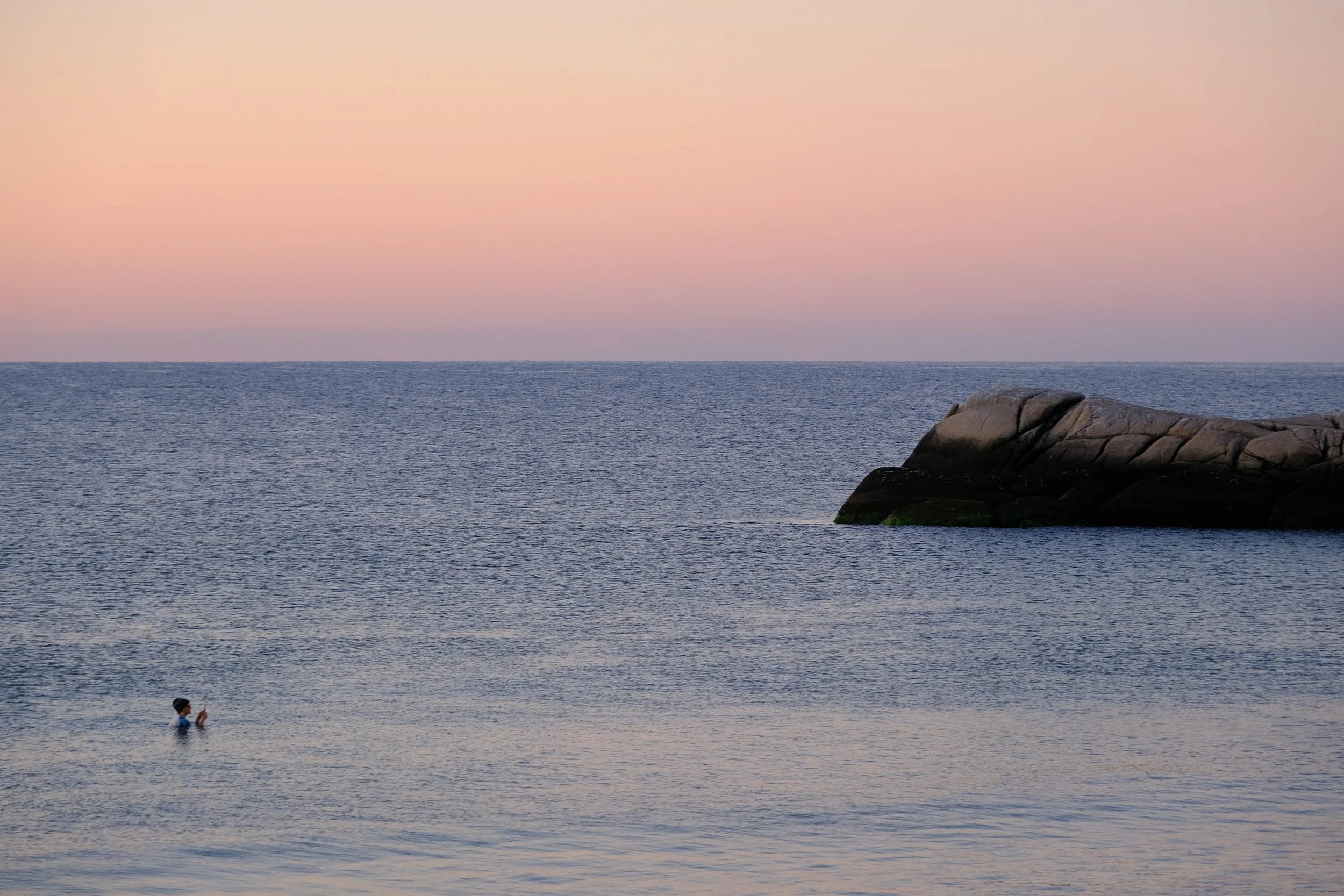
Elephant Rock photo credit: Midori Evans