
Pre-Event Author Interview with Ruta Sepetys
Internationally acclaimed author, Ruta Sepetys, has written seven novels plus You: The Story, a non-fiction guide to creating memoirs. Her bestselling 2011 book, Between Shades of Gray, was adapted for film in 2018 and transformed into a graphic novel with Andrew Donkin in 2021.
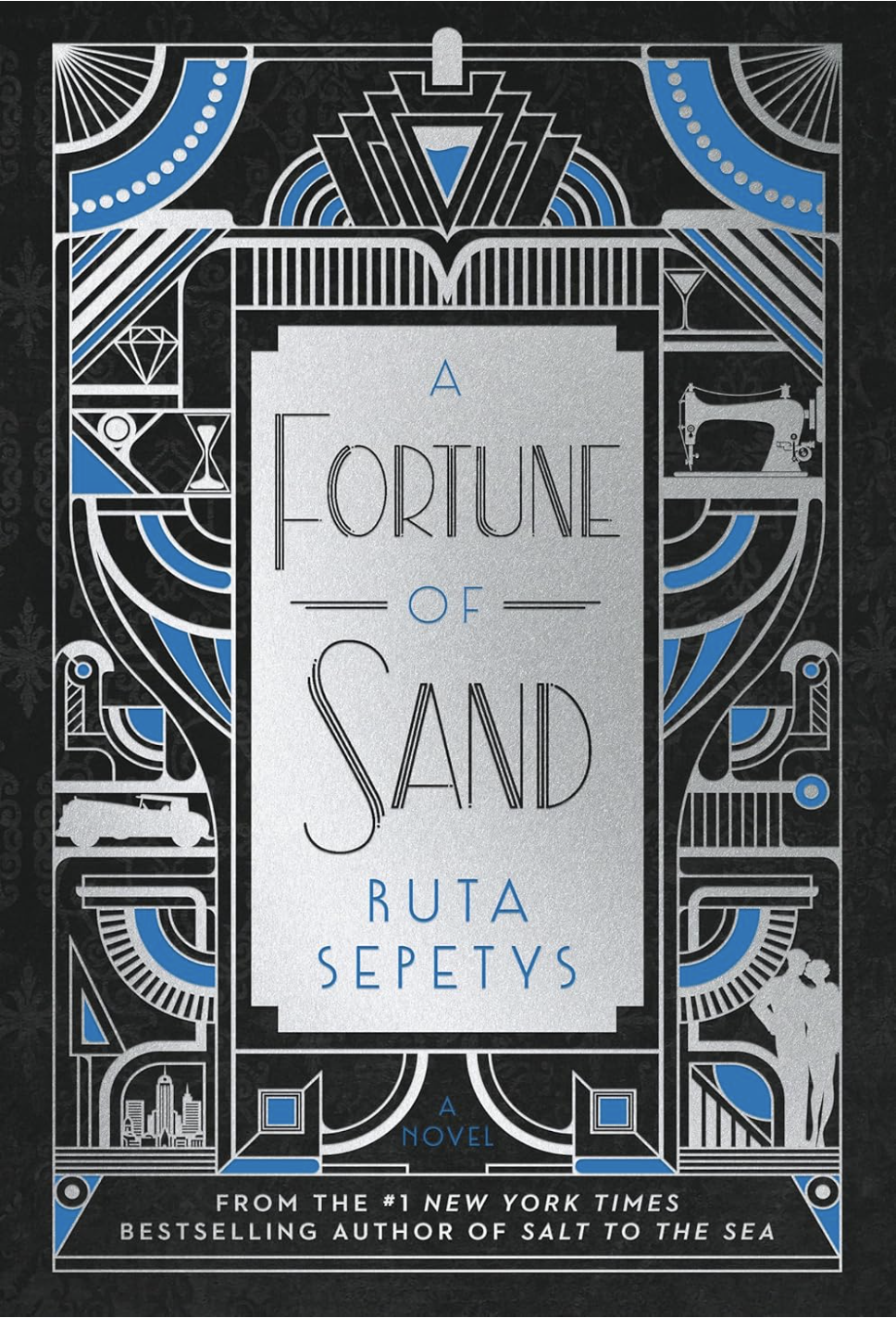
Her latest novel, A Fortune of Sand, is another powerful piece of historical fiction set in Prohibition-era Detroit.
Ruta was kind enough to take a few moments out of her busy schedule to answer some questions preceding the upcoming Purrington Author Series event organized by the Mattapoisett Free Public Library on June 11. You can register for the event at: https://mattapoisettlibrary.org/
KA: Ruta, thank you for taking the time to answer some questions!
RS: Thank you, Krista, for preparing such thoughtful questions. It’s very meaningful to be interviewed by a fellow author!
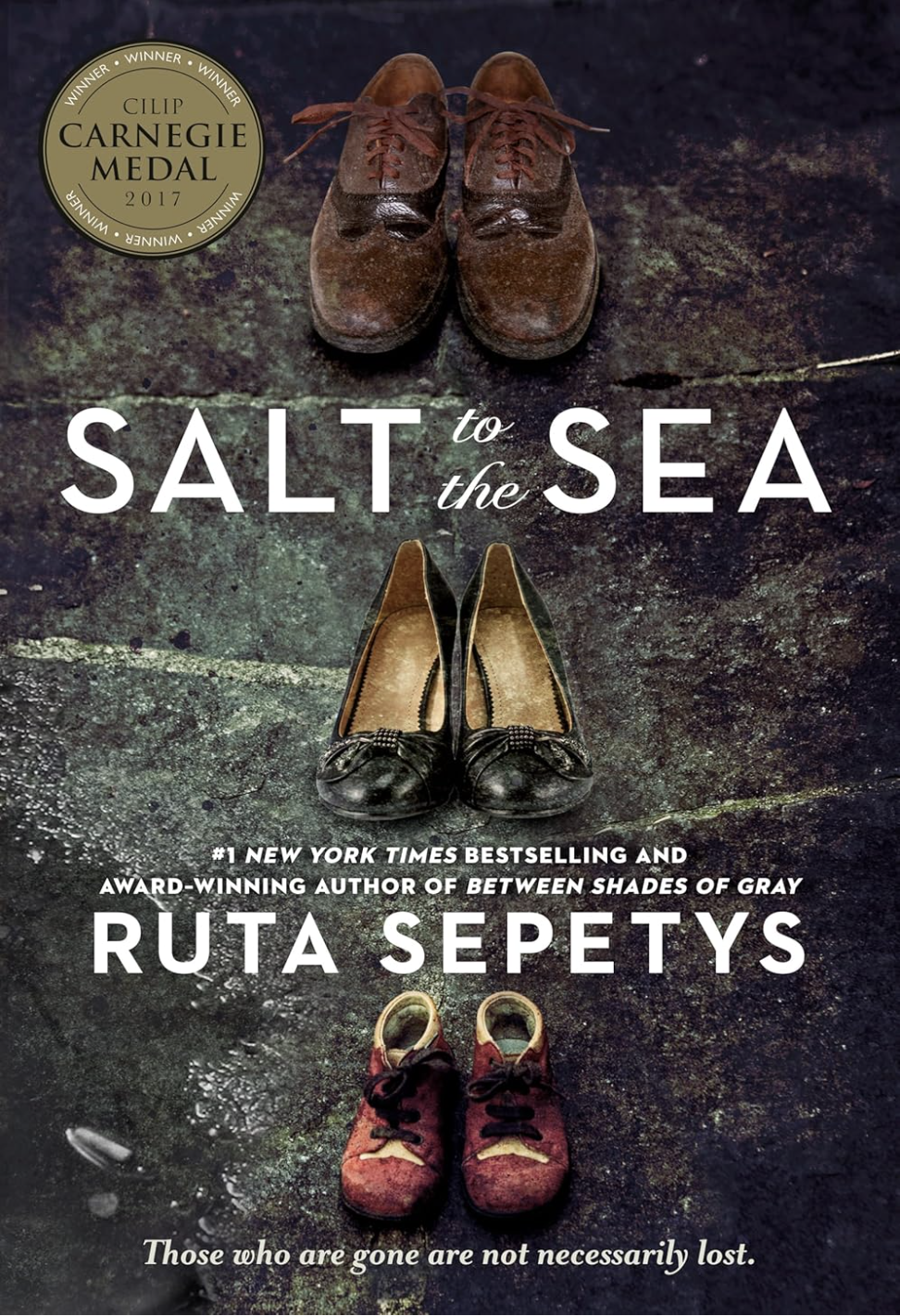
KA: I first became familiar with your work when I read Salt to the Sea. Fragments of the story reminded me of my mother’s experiences as a refugee in 1945 during WWII, leaving Latvia when she was only 2 years old. There are so many irrecoverable stories from these impactful events of the past that will never be told.
RS: What an incredible family history you have. I hope you’ve been able to capture some of it in your own writing. I’d love to learn more about your mother’s journey.
KA: The more I learn about my own family history, the more overwhelming it is trying to organize the information into coherent stories. Despite having written so many historical fiction titles, does the list of stories you’d like to tell grow ever longer? How do you choose what book you’d like to tackle next?
RS: The list grows longer by the day. Some of the most fascinating history still remains untold. I find I’m drawn to stories of those who faced oppression and fought for freedom. An idea jumps to the top of the list if I have access to valuable research material—and if I can’t stop thinking about it.
KA: Do you think you’ll return to the Baltic as a location for yet more stories in the future?
RS: Yes. I have frameworks and ideas for stories about The Baltic Way, the underground Baltic resistance fighters, Ambassador Sugihara’s efforts to save Baltic Jewish populations, and several more.
KA: Your new book, A Fortune of Sand, takes place in the roaring 20s, in Detroit, where you were born. How long has this story been percolating?
RS: The story has been percolating for nearly fifty years. When I was nine years old, our family was invited to visit the home of the fashion writer for The Detroit News. She lived in a storied mansion, and it was during that visit that I discovered that many Prohibition-era homes in Detroit and Grosse Pointe had secret passageways and underground tunnels. The home was so unique and grand that it whispered back to me for years.
KA: You always create strong female characters who are determined to forge their own destinies. Was there a specific person or event that inspired the book’s main character, Marjorie Lennox?
RS: Thank you. Marjorie emerged through my research as I began to unearth the truths beneath the dominant narrative of the 1920s. I was struck by the fragile tension between freedom and fear, and between fortune and facade. To explore that dynamic, I created Marjorie and then built a nouveau riche family scaffolding around her—a wealthy family behaving very badly and gaining power while doing it. Imagine Downton Abbey in Detroit with a family of Talented Mr. Ripleys.
KA: Oh, I can’t wait! I’ve read a few teasers by folks surmising that the women-only art program that Marjorie enrolls in is based on the famous Eloise Asylum. Is that accurate? How closely does fiction follow fact? What made you choose that location for an elite art institution?
RS: The arts program in the novel isn’t based on Eloise, but Eloise does play a role in the story. One of the central historical events of the novel involves a jewel heist at the Detroit Institute of Arts.
KA: Given that the story takes place 100 years ago, you have a fair amount of creative leeway, but it’s recent enough that there is reliable documentation of the 1920s era. What types of historical materials did you use to research this novel? Is this kind of research easier to perform in the US? Have you developed a tried-and-true method for organizing and constructing stories based on real events?
RS: I relied heavily on newspaper archives for research. Newspapers held enormous power during the era, especially over the wealthy elite and the auto barons. For the right price, information could disappear. I quickly learned that if I wanted the truth and greater detail about an event, the regional newspapers outside of Detroit were gold. Regional reporters were eager to illuminate the real “scoop,” what the “big city papers” were hiding, and who was paying them to hide it. I consulted the Detroit police archives, filed FOIA requests, dug up death certificates and hospital records, and even consulted a former FBI agent to help me interpret the findings. Yes, the research was easier to conduct here in the US. The documents were in English, I didn’t require translators, and everything I needed was in the same country.
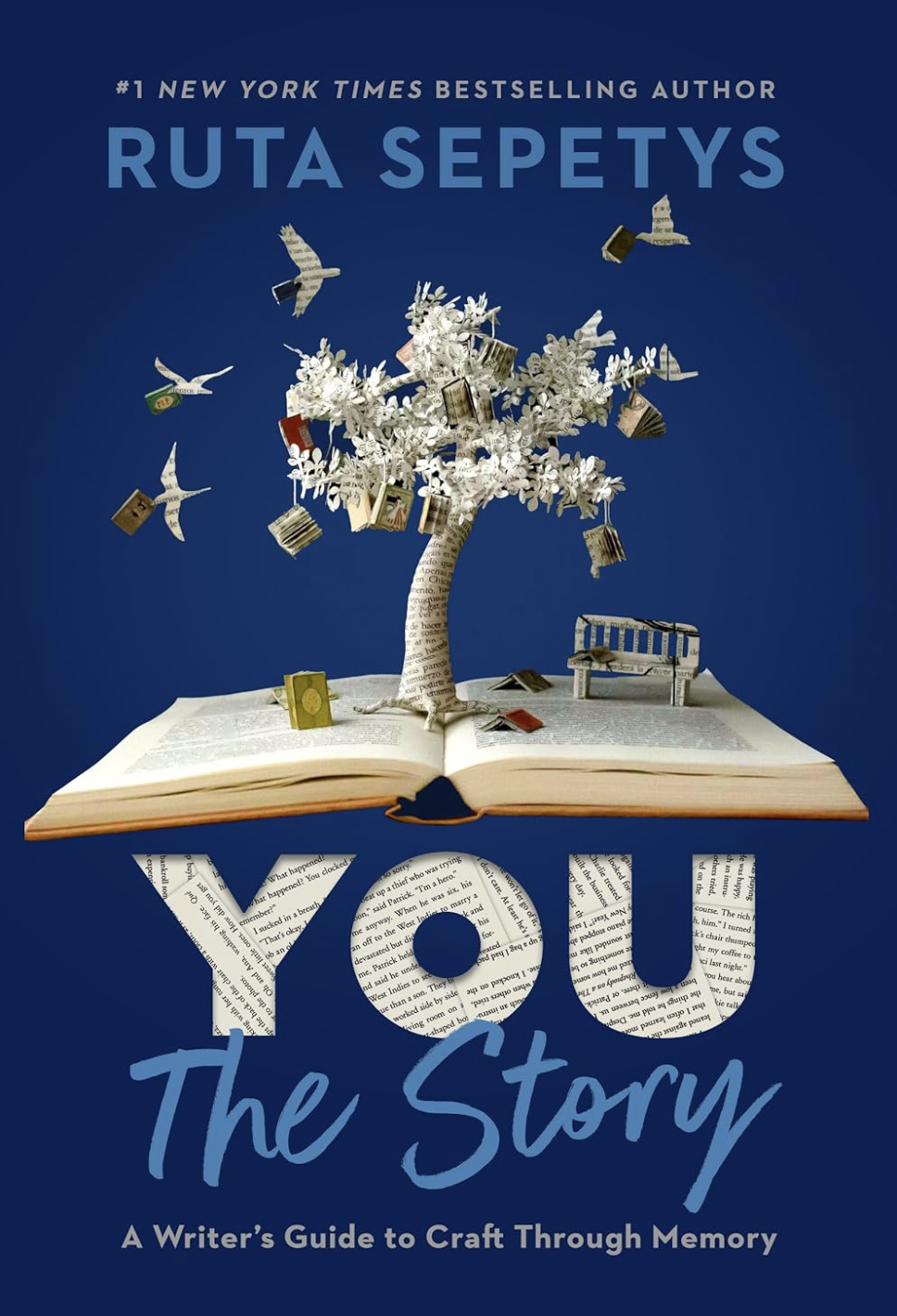
My method for organizing and constructing stories generally begins with three phases:
Phase one: Reading all of the existing material available. As I read, I note where I’ll need to travel and who I might need to track down and speak to.
Phase two: Traveling to the location where the events occurred to do an initial site and sensory visit. It’s during this phase that the framework for the project takes shape and the history begins “speaking” to me. It’s also when I identify gaps I might face.
Phase three: Interviewing families and witnesses connected to the history. I write a lot of dialogue freehand in my field notebooks during this phase. It’s also during this time that I determine the point of view. That’s always crucial for me—finding the most respectful way to enter the history to honor those who experienced it.
KA: This is such helpful guidance to those of us who are new to writing memoirs and biographies. The other titles of yours that I’ve read are told from the perspectives of young adult protagonists. What prompted your decision to pivot to writing a historical fiction novel targeting adults? Was it the subject matter that determined that this story not be YA, or was it the characters?
RS: It was the characters. Young adult novels center on teenage protagonists. The Prohibition-era setting of this story called for a cast of adult characters. I also wanted to establish a lane in my work that explores things once vital that have vanished—people, places, and powers that once ruled the map but now lie broken, buried, or forgotten.
KA: As I am part of a writing group comprised of a wide range of amateurs, I have to ask, what advice do you have for aspiring writers, especially of historical fiction?
RS: Choose a topic and time period that fascinates you, that constantly haunts the attics of your mind. As you begin your research process, swap the word “research” for “investigation” and suddenly it’s a lot more exciting. You’re a tireless investigator—digging up clues, interviewing sources, and trying to fill in the blanks. And if you can’t find the information you need, don’t give up. Be patient. I’ve found time and again that when you go searching for story, the universe responds, and story comes searching for you.
KA: What a fun strategy! I’m going to have to give it a try. Thank you for the tips!
RS: Thank you again, Krista! I look forward to meeting you and members of the Westport Writers/Write With Community group when I’m in Mattapoisett.
