
Summer’s Crowning Day: The Solstice
June 21 is Litha
Litha is a modern name for the summer solstice, falling this year on June 21. It’s one of the eight points on the Wheel of the Year, the sabbat known as Midsummer in modern Pagan tradition. This solar event marks the sun at the height of its power for the whole year. The name stems from the word Liþa, which is an Anglo-Saxon name for the midsummer months. “Solstice” comes from the Latin sol (sun) and sistere (to stand still) — for these few days around the 21st the sun rises and sets at nearly the same northernmost points, appearing to pause before it begins its long return south.

Photo credit: Midori Evans | © 2026 Midori Evans
The Year’s Longest Day
Litha is the longest day and shortest night of the year — maximum daylight, with the sun directly overhead at the Tropic of Cancer. It’s the astronomical start of summer and the peak of the growing season: as the land lies in its fullest green before the autumnal turn toward harvest.
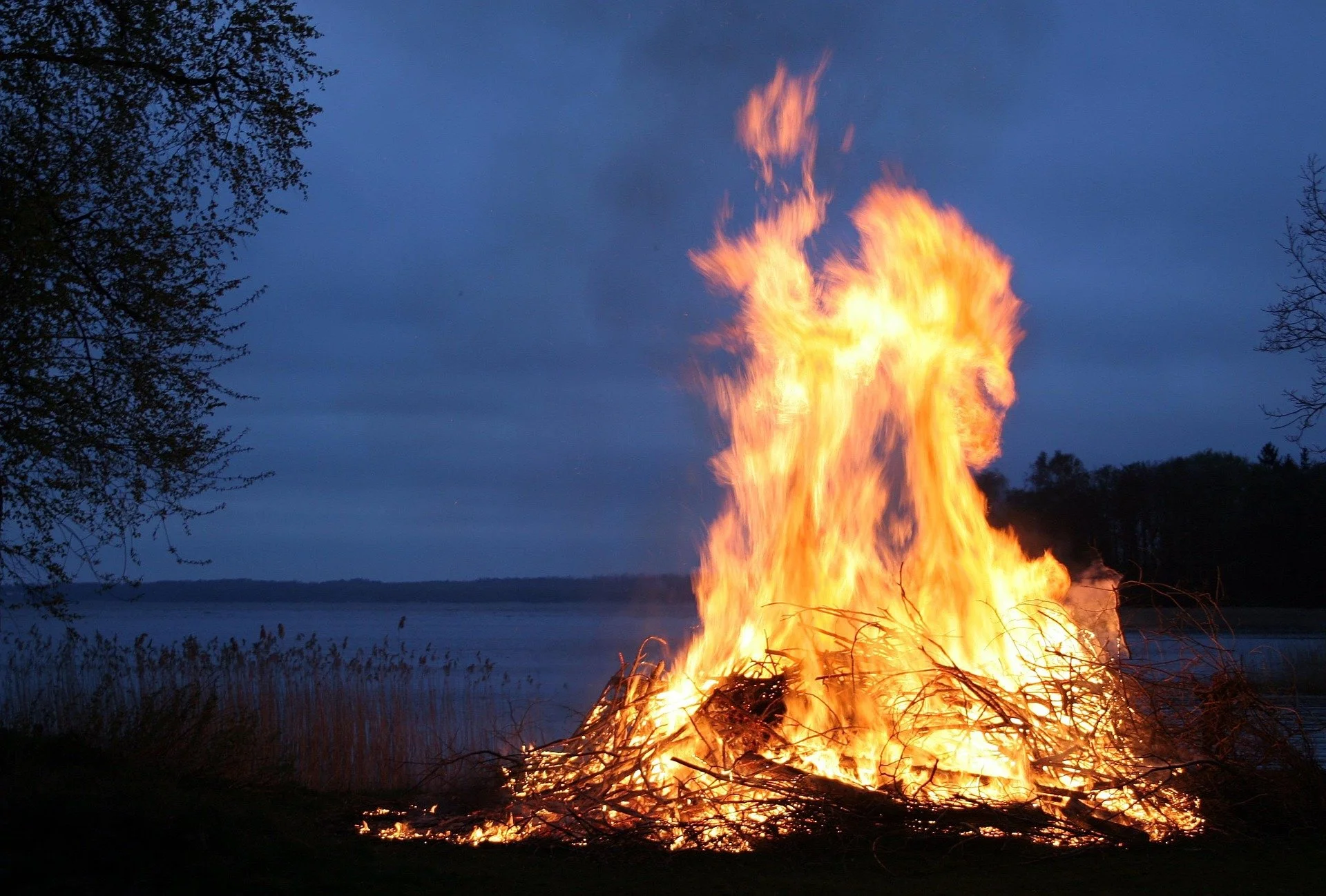
Fire is the central symbol for Litha. In ancient times, bonfires were lit to honor the sun, and people would stay up through the night to watch the solstice sunrise.

In Northern European folk tradition, the morning dew gathered at midsummer was thought to carry healing and restorative power. Many midsummer customs braid fire and water together — bonfires lit near the shore, even flaming wheels rolled down toward the water.
Spiritual Meaning in Folklore
Litha represents fullness, vitality, light, and abundance — life at its most generous. The sun is at its strongest, and this is the exact moment it begins to wane; from here the days shorten. So Litha carries a doubled meaning: celebration and impermanence held together. Gratitude for the height of light, and the quiet awareness that nothing stays at its summit. In the old Oak King / Holly King mythology, this is where the light king yields and the wheel begins to turn back toward dark. The festival of Litha celebrates the sun’s full presence with communal merriment, savored all the more because from here the light begins its long tilt away.
Summer Solstice on the South Coast
Walking the beach at the end of the longest day of the year is a favorite annual ritual. After a cold winter, the sand is now hot under the soles of the feet, and the ocean water is finally warm enough to walk in for the entire stroll. Splashing your feet in the incoming waves is as joyful at 65 years old as it was when you were 3. The tactile feel of a warm breeze over your hair and skin — all of it is Litha’s gift, made palpable through the senses. The rose-gold sunlight glistening on the river heralds the radiant return of summer’s heat. The bright sunny days we all have looked forward to with great anticipation are finally here.

Photo credit: Midori Evans | © 2026 Midori Evans
Other scenes, sights, and happenings at their fullest are to be celebrated – like the high tide filling the river to its highest level, carrying in an abundant variety of fish and marine life. Or the trees fully leafed out in deep summer green, providing a vibrant canopy of cool shaded areas for wildlife and humans alike.
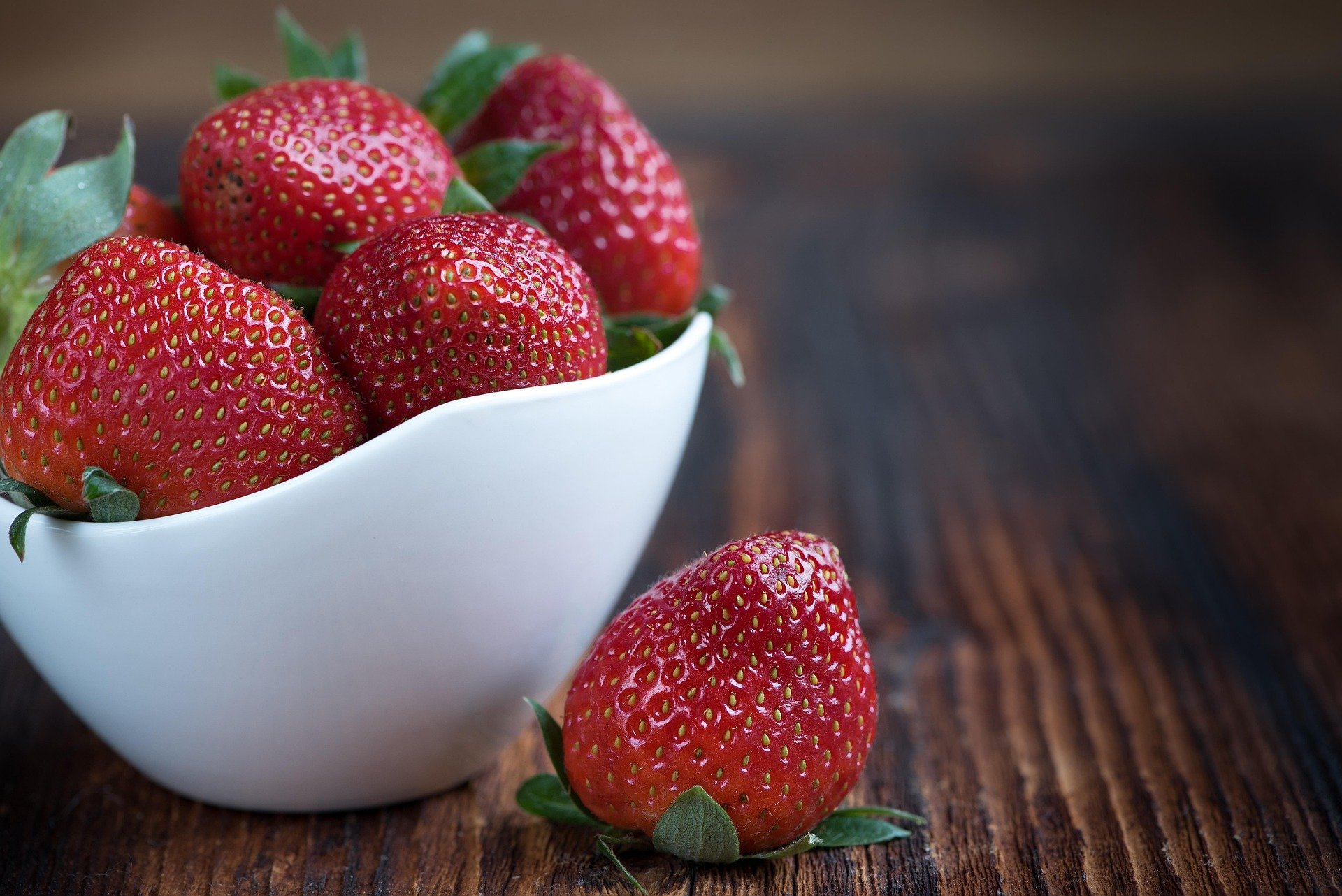
In late June, gardens are now bursting with flowers, vegetables, fruits and herbs, along with strawberries ripe for the picking. At night, fireflies make their annual appearance, capping off the longest day of the year with a final element of fire. Summer is the best time to be alive here in Southern New England. Take the time or make the time to bask in nature’s offerings.