Is Writing Art?
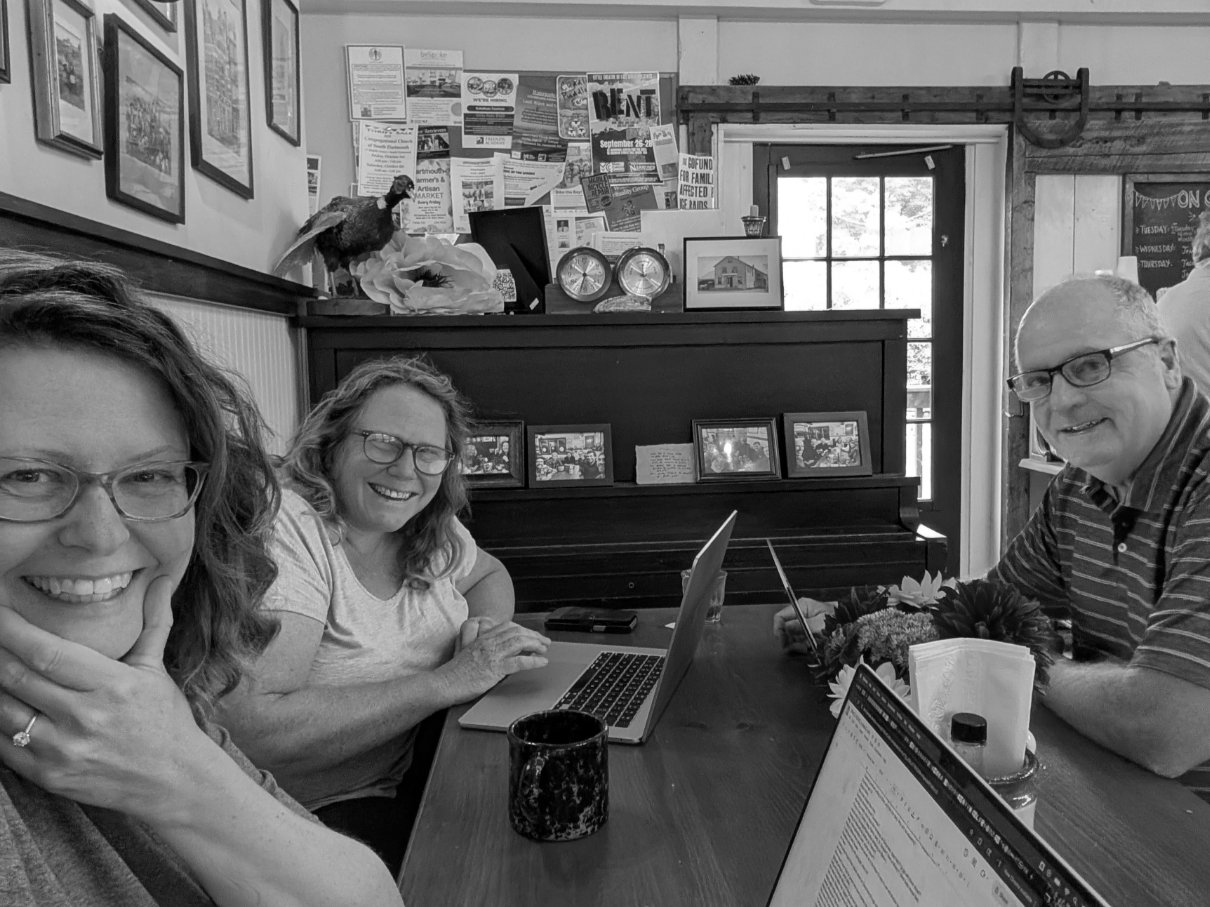
Recently, a few of us from the Westport Writers Group read Bianca Bosker’s book Get The Picture, a foray into the inner workings of the art world. It got me thinking on many tangents, one of them being the broad spectrum of what can be classified as art. Writing is considered a “liberal art,” lumped together with history, philosophy, and psychology (which still struggles to straddle the border from art to physical science). But writing also tends to have a foot on each side of the fence.
This dichotomy is revealed beginning at the university level. I have a degree in English and creative writing from the College of Arts & Sciences at Syracuse University. If I’d wanted to study traditional journalism, my degree would have come from the university’s Newhouse School of Communications.
Of course, if I’d wanted to study illuminated manuscripts or Egyptian hieroglyphs, my degree would have come from the School of Art, within the university’s College of Visual and Performing Arts.
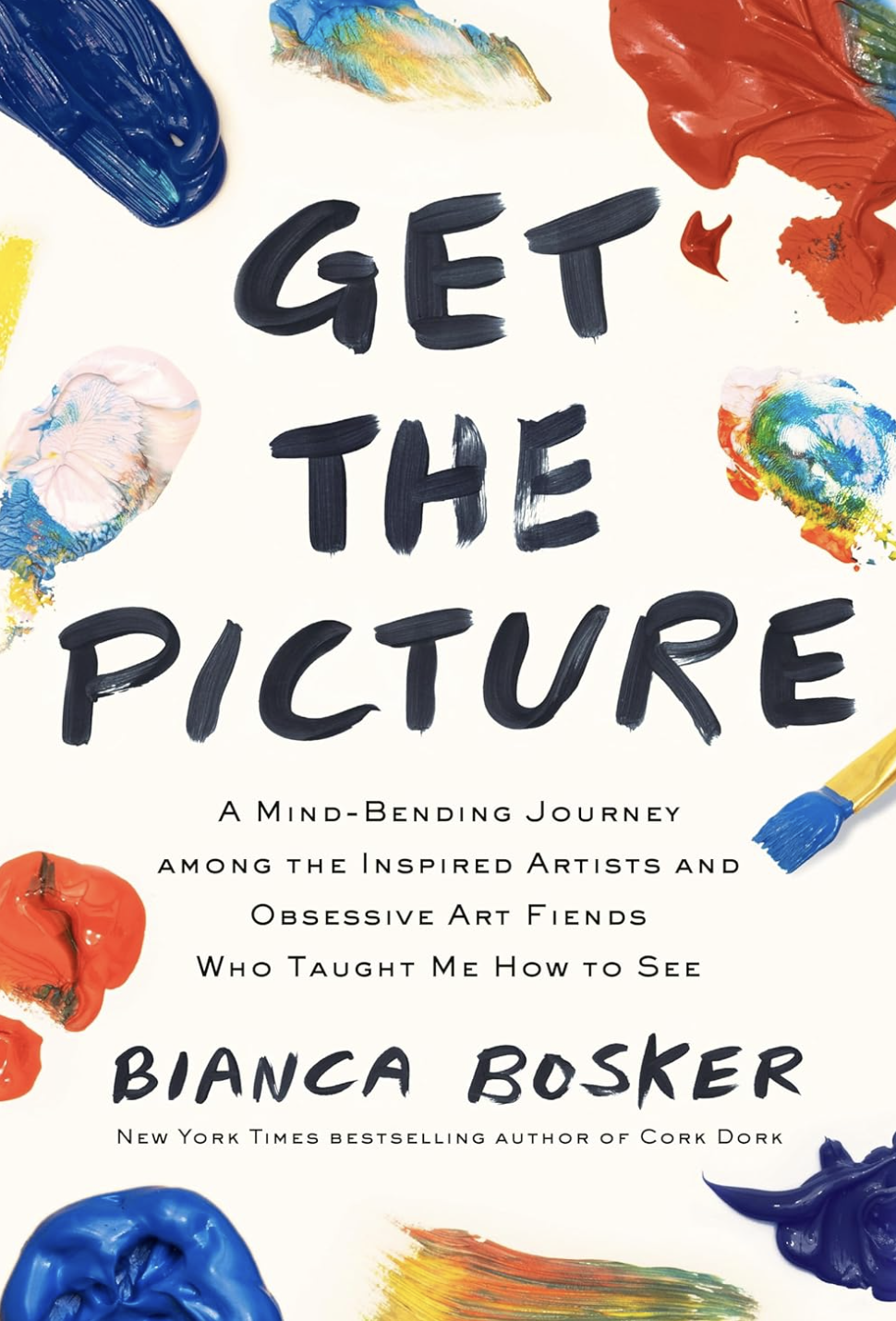
Confusing? Yes. But once I read Bosker’s book, I understood why.
The world of fine art is incredibly cliquey, with a “strategic snobbery” that doesn’t like to broadcast its rules. It’s all about context: who you know, the story behind your story, and whether you’re cool or controversial enough to be initiated. Writing is similar in its discrimination. Trying to get published? You first need to prove that you’re worthy. Where have you already been published? It’s hard to get published until you’ve been published, a clear chicken and egg situation.
Writing has its own collection of distinct clubs. Genres! When two people meet and begin to discuss what they enjoy reading or what kind of words they prefer to write, it’s usually categorized into genres. Contemporary Fiction gets a familiar nod. Oh you write Poetry, how lovely! But what’s your real job? Historical Fiction is my favorite, too! Science fiction? Hmm. (My over-active imagination imbues that reaction with all sorts of pejorative judgements that thankfully most people who don’t enjoy sci-fi attempt to keep to themselves, as if it doesn’t qualify as “real” literature.)
Getting published presents a similar challenge to getting your art shown in a gallery. You need to know people, or at least make a meaningful connection through your work. You must learn the lingo, much like the language of “art speak” prevalent in the art world. Read your Strunk & White to earn the right to break the rules with Shakespearean panache or Austenesque satire, because breaking the rules, or at least bending them in an unfamiliar way, is what will get you noticed.
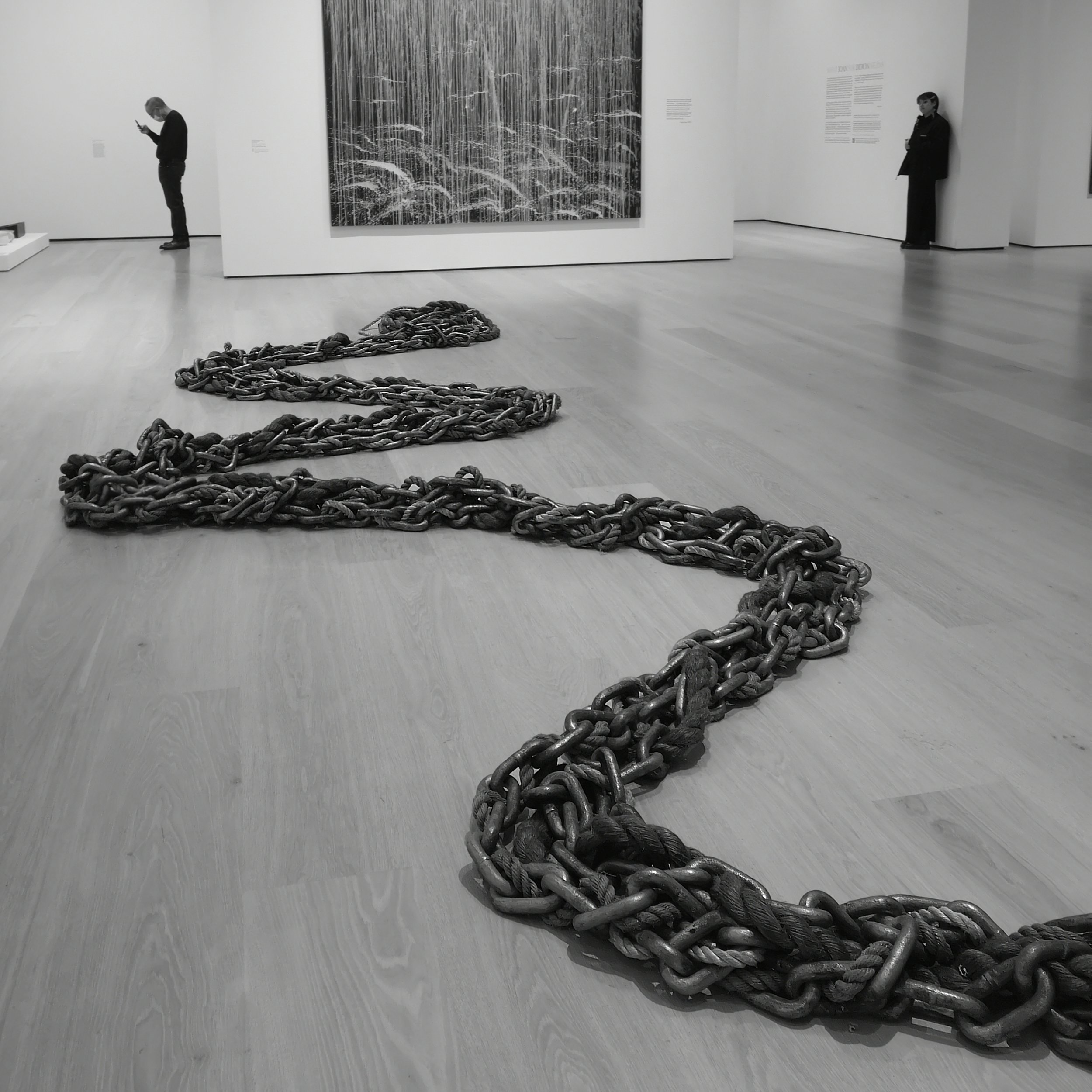
One thing I loved in Bosker’s book is her method of observing art. Most people in an art museum spend more time reading the label on the wall beside a piece than looking at the art itself. That may happen because people haven’t spent much time simply looking at art. They are accustomed to being told what to see, and expect to be quickly distracted so they have permission to move on to the next thing.
Her advice? Notice five things in a single piece of art. Any five things. A color. A swirl. The lighting. How it made you feel. Was the artist really trying to create a sculpture of an orange rhinoceros picking his nose? Don’t look at the label until you’ve had the chance to spend some time just looking. Or don’t look at labels at all! I think all of this advice can apply to reading as well.
When reading a novel, I really don’t care for an extensive summary of the book on the back cover. A sentence or two to convey the core of the plot and get a sense of whether I’ll enjoy the main character(s) is plenty. Sometimes I breeze through a book lightning fast. Other times, I’ll sit in the bath until the water gets cold with a pencil, dog-earring pages and underlining entire paragraphs. Like art, certain writing speaks to us, as if the author is there with us in the same room, experiencing the events in a parallel universe. To me, that’s what makes a good book. I want to lose myself inside its pages, disengaging from my own life and reveling in another. Much like a provocative work of art.
There are many parallels between art and writing. But what about when they converge into one entity? Ekphrastic writing is a response to a piece of art. In a blog post back in January, artist and poet Diana Cole walked readers through her process of interacting with a sculpture as she created an ekphrastic poem.
Meditations on Landscape, an exhibit organized by Midori Evans, paired photographers and writers to create a feast of ekphrastic compositions from various genres. Group projects like these invite observers to envision their own broader, more personal reactions to art. In another of Midori’s projects, Creative Catalysts - A Celebration of Artistic Cross-Pollination both artists and writers responded to an eclectic array of artwork. There will be another installment of this interactive experience later in 2026.
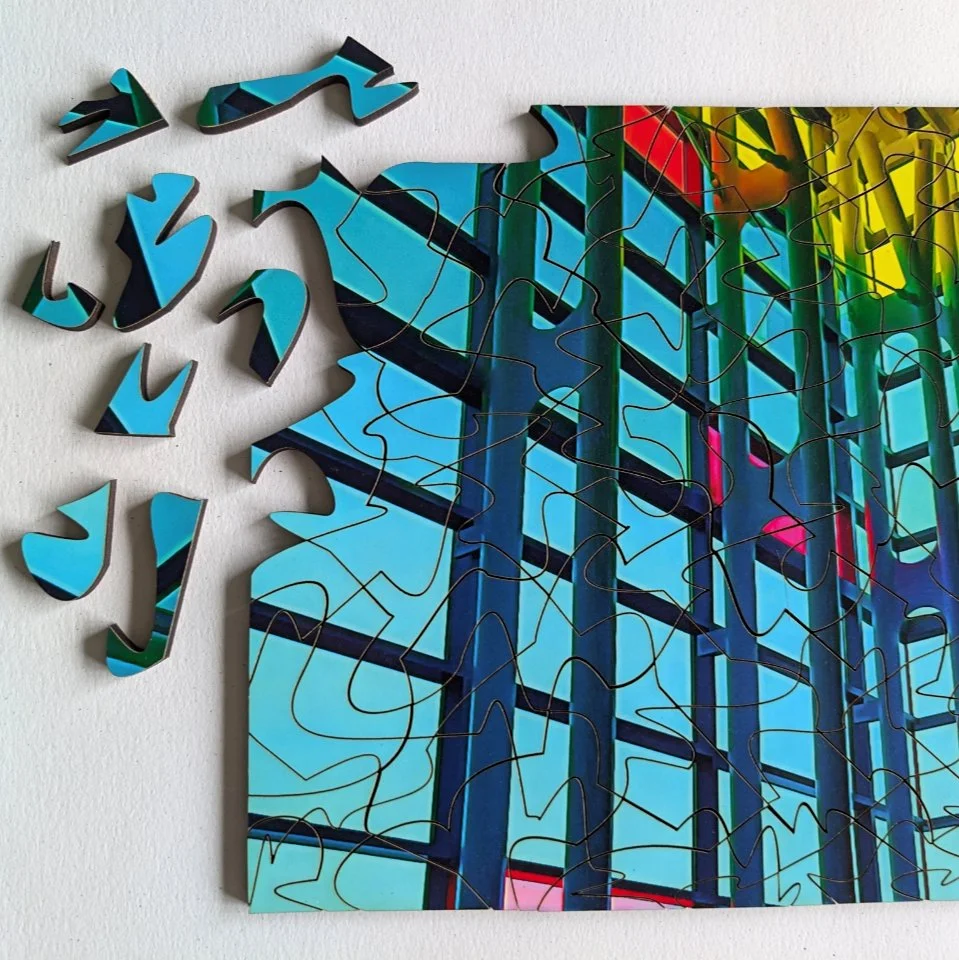
My contribution to Creative Catalysts was a homemade wooden jigsaw puzzle, the pieces I designed being an ekphrastic response to an architectural light and sound installation at Logan airport by artist Christopher Janney. Accompanying my puzzle was a piece of flash fiction by Westport Writers Group author Maija McManus.
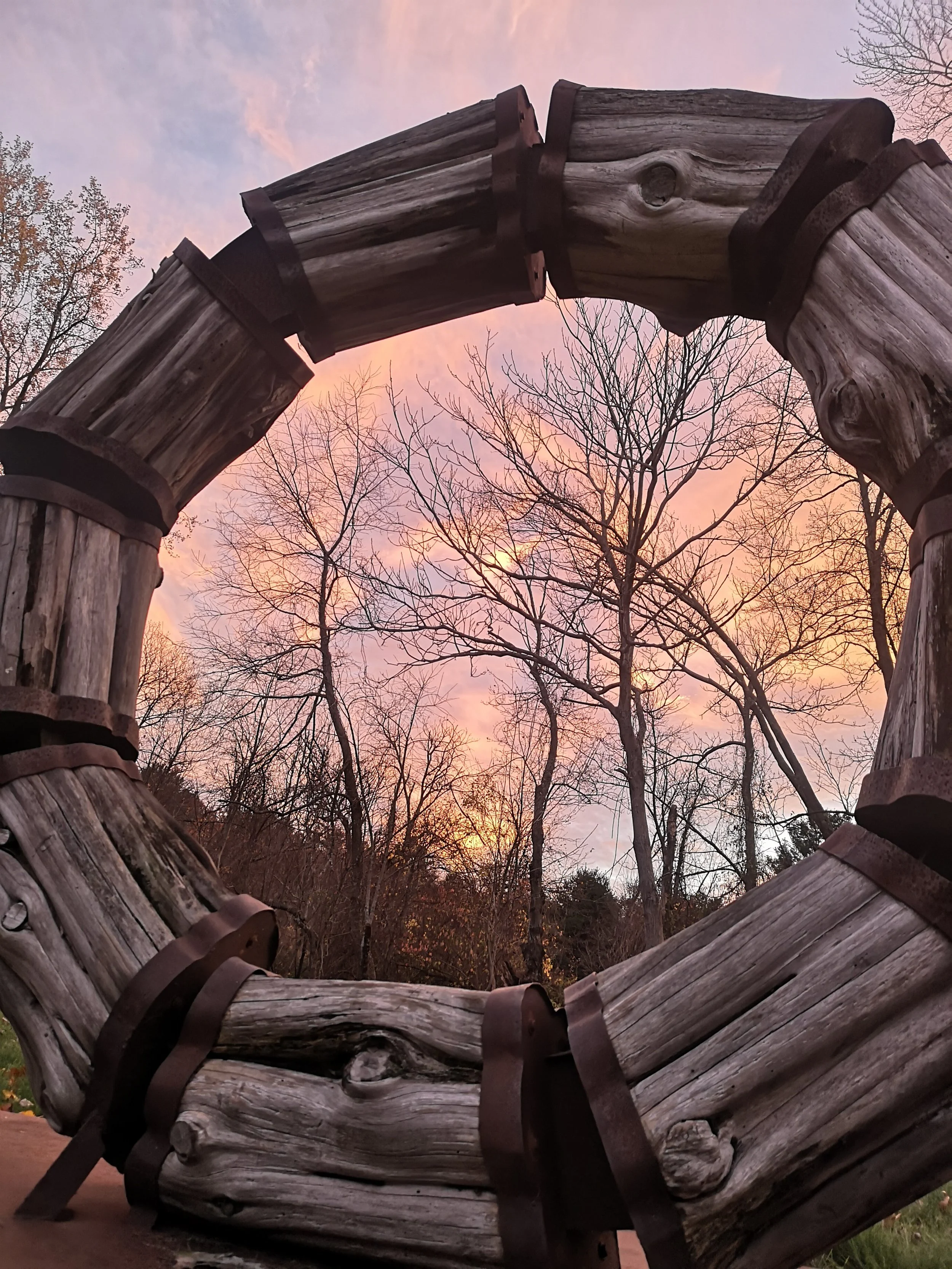
I have made other puzzles in a similar fashion, including from photographs of artworks by notable Santa Fe sculptor Jamie Burnes, (nephew of Andy Burnes owner of Jordan Farm in Dartmouth) and others.
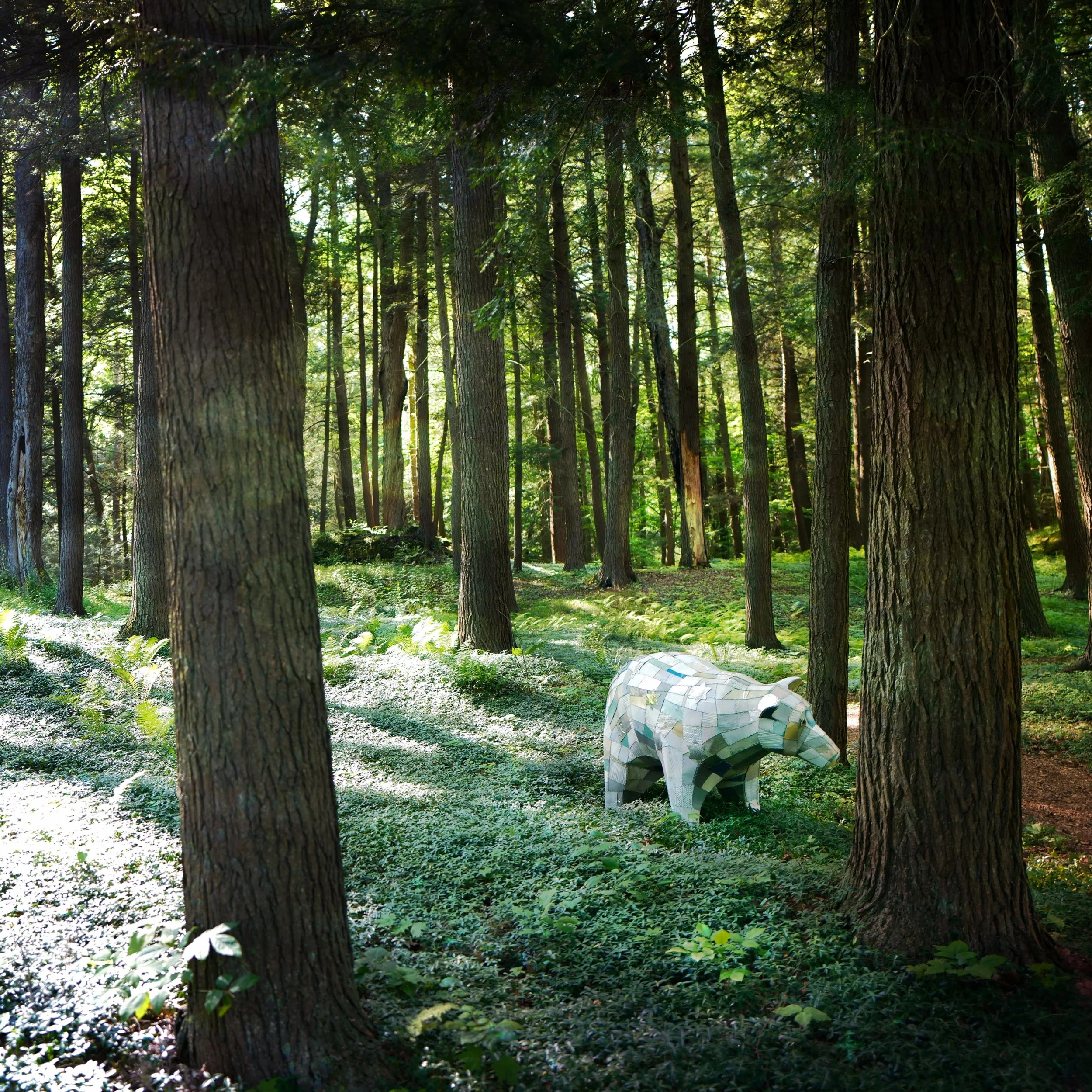
In progress is another puzzle-sculpture response to “scrap metal quilter” Robin Tost’s polar bear sculpture.
Both of these artists displayed their work on the property of novelist Edith Wharton in Lenox, MA for Sculpture Now, an incredible outdoor art experience in the Berkshires.
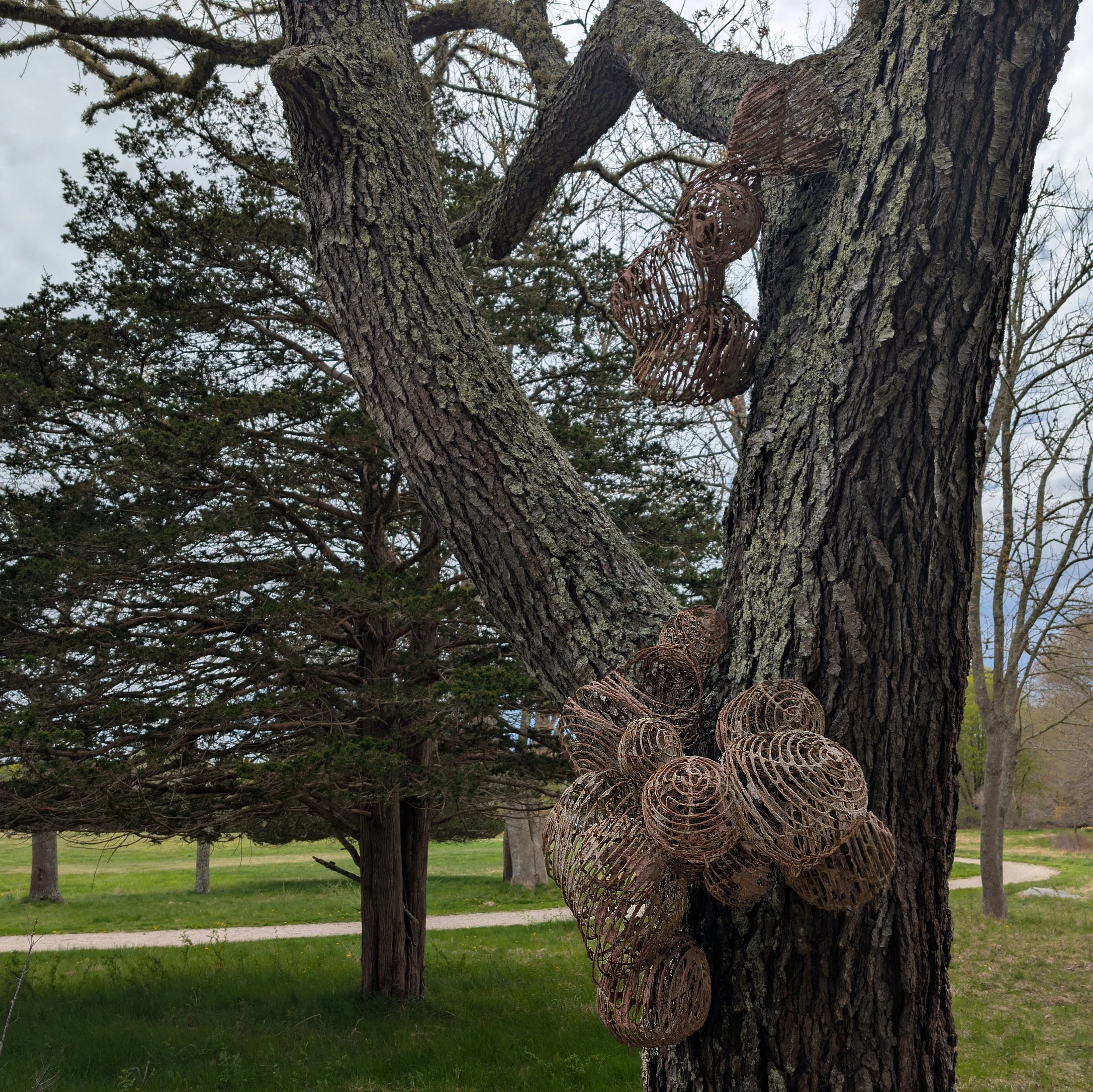
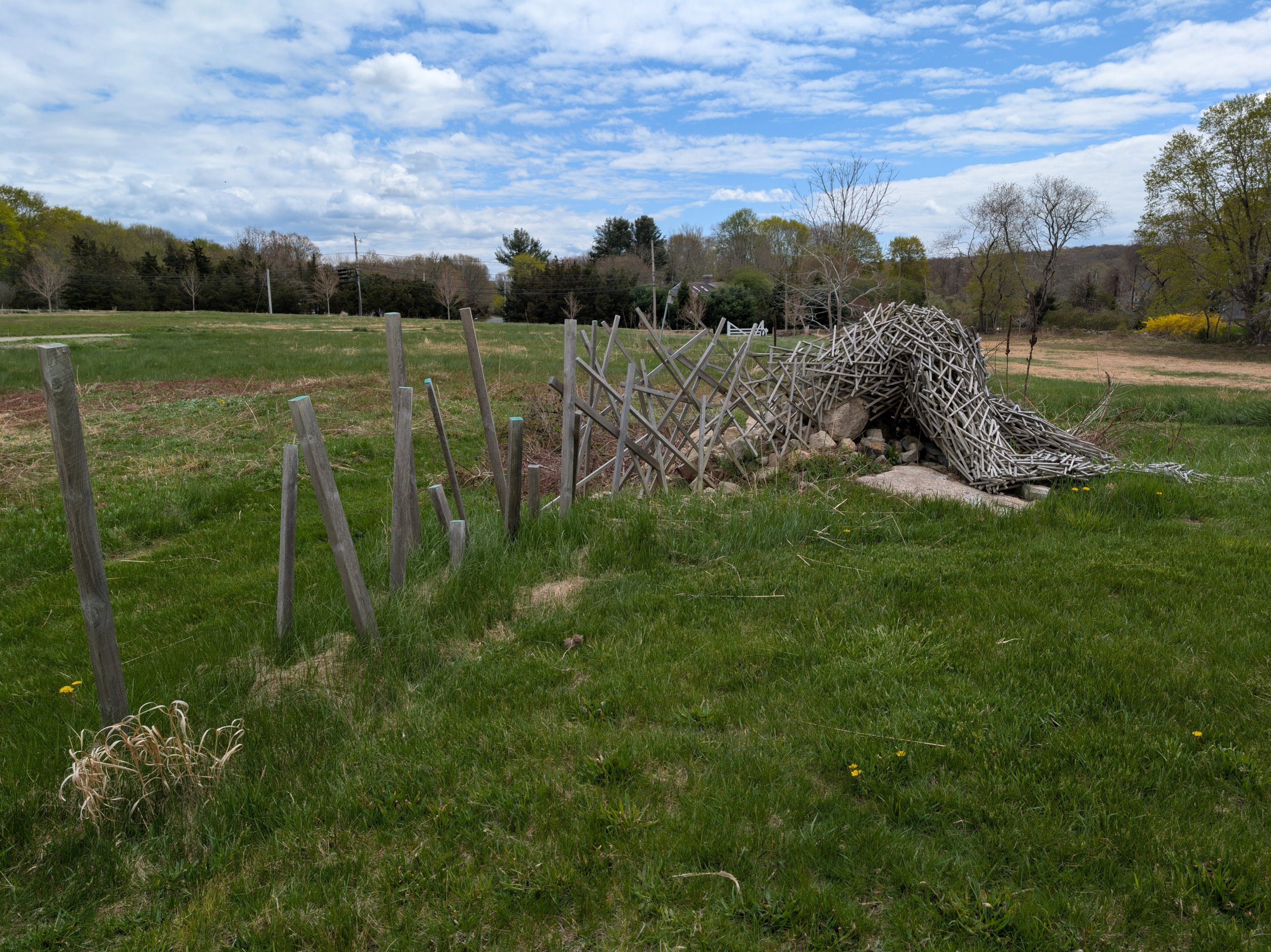
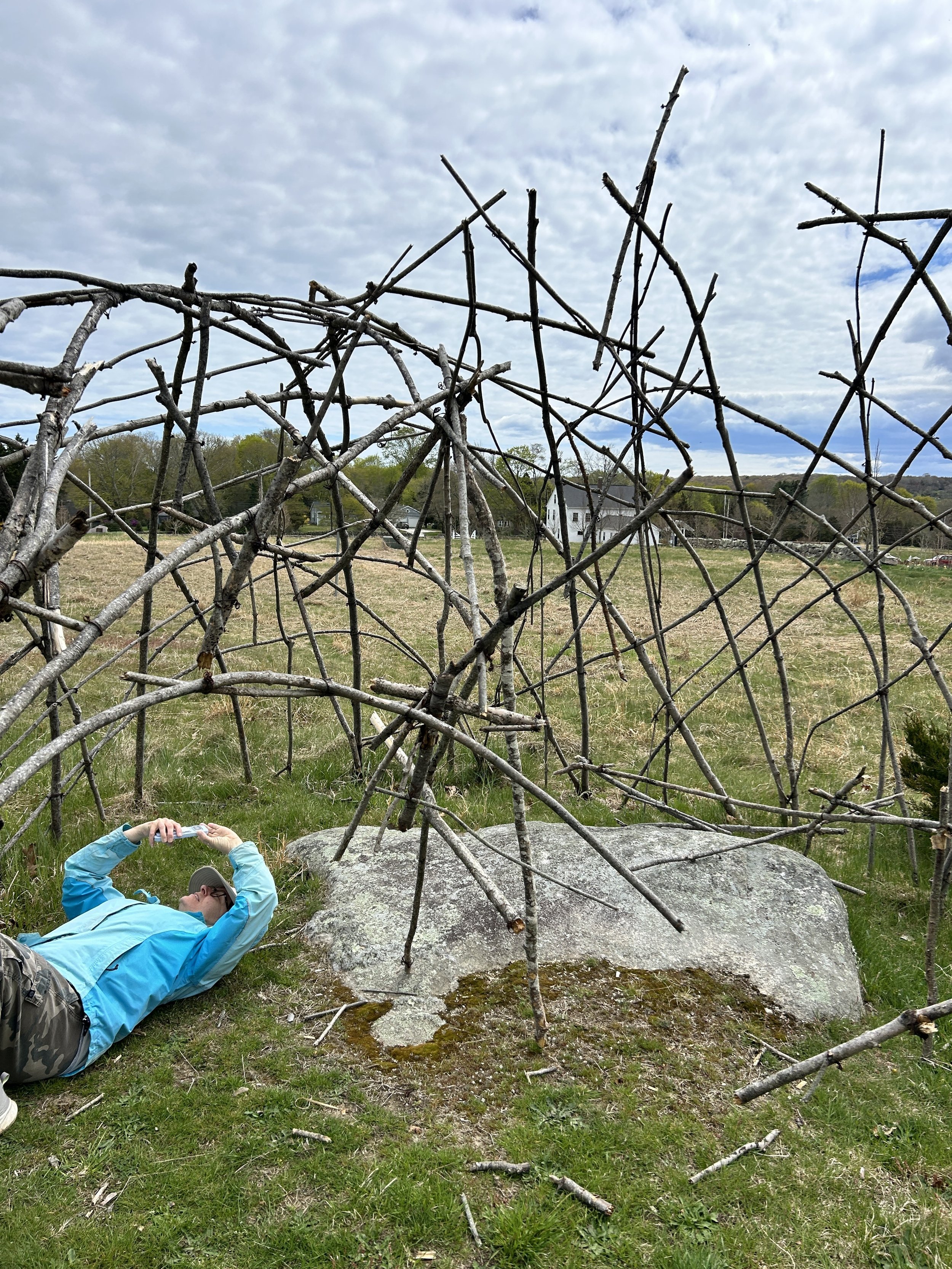
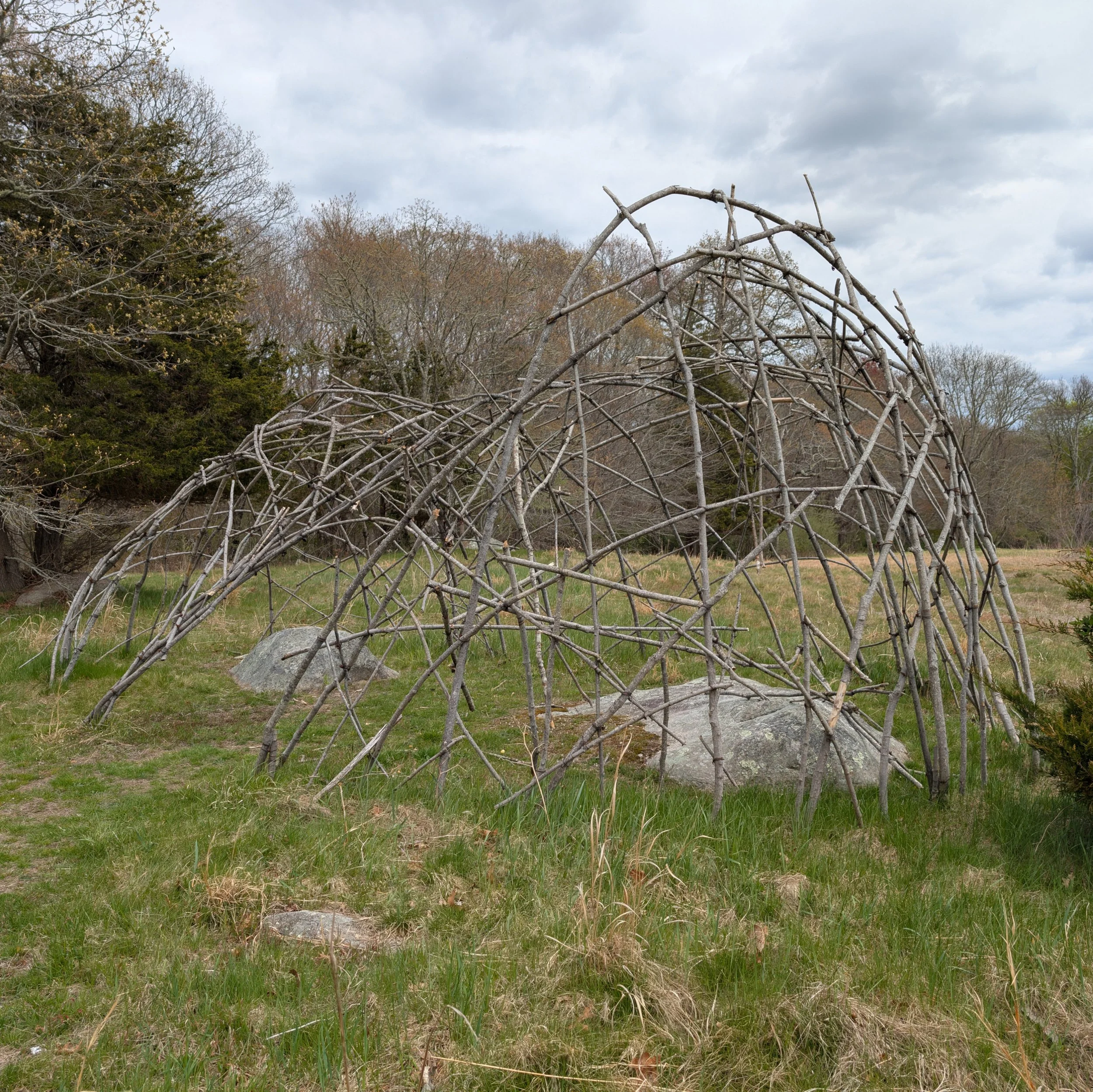
But what if you live in Westport, MA like me and you’d like to be part of regular activities where art and literature intersect? The easiest thing you can do is step outside and go for a walk, maybe with a sketchbook, camera, or journal in hand. Westport Woods (owned by the Westport Land Conservation Trust) occasionally installs pieces of outdoor sculpture. A few from previous exhibits are still in place, though in various states of disintegration. For a few years, there were even paper mache boulders in the trees by the entrance!
With the closing of the Dedee Shattuck gallery, the Westport Art Group remains the primary destination for method classes and gallery exhibitions in Westport while the nearby town of Dartmouth offers quite a few gallery options.
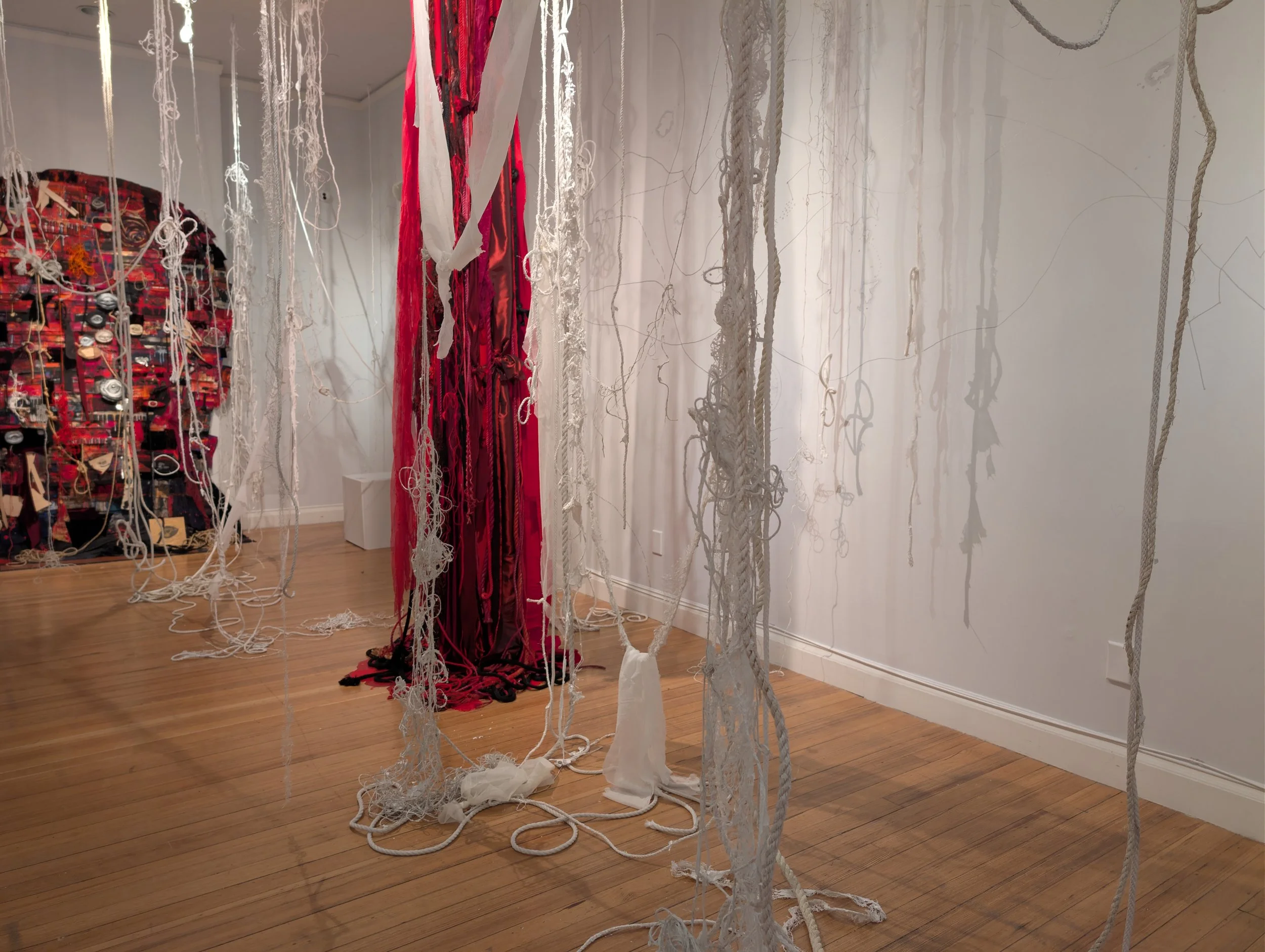
In New Bedford is the New Bedford Whaling Museum where some writers from the Westport Writers Group recently performed a series of poems in response to local female figures in history during the city of New Bedford’s Aha! Night program: She Maps The World.
These sorts of local establishments are perfect entries into the art world, while giving the public opportunities to interact directly with artists. The South Coast Artists open studio tours in July and August along with The Art Drive in August are chances to immerse yourself within the creative processes of artists. Midori Evans will be exhibiting her photographs at the Salters Point Art Show in Dartmouth this summer, the weekend of July 11 and 12. The Write With Community calendar provides a comprehensive directory of inspirational writing programs on the South Coast. And don’t forget to join the Westport Writers Group on the second Saturday each month at the North Dartmouth Library! Monthly prompts often include one visual art option. All of these programs are designed to make art and writing feel more inclusive. You don’t have to be an art expert or published author to benefit from the creative process!