FarmCoast Conversation Series
On January 11, Midori Creativity and the Westport Writers Group held the first of a series of four events asking the question, What is Our Relationship to Land and Water?
With facilitators and participants from the worlds of writing, farming, environmental science, and more, the series integrates local viewpoints, encourages community participation, and offers the deep, reflective time we all need to share and meditate on our natural world.
Part of the framework for the series was inspired by work by Robert Macfarlane, a UK nature writer and environmentalist.
In Landmarks, Macfarlane collects a treasure trove of local words that lovingly describe the environment.
From “af ‘rug” a Shetlandic word for the reflex of a wave after it has struck the shore, “smeuse” from Sussex for a gap in the base of a hedge made by the regular passage of a small animal….
to a Derbyshire term for the tussocky moor grass that causes the walker to stumble easily -“drunken-charlie grass,” - the book is a delightful testimony to the ways that people interact with, define, and appreciate their local landscapes.
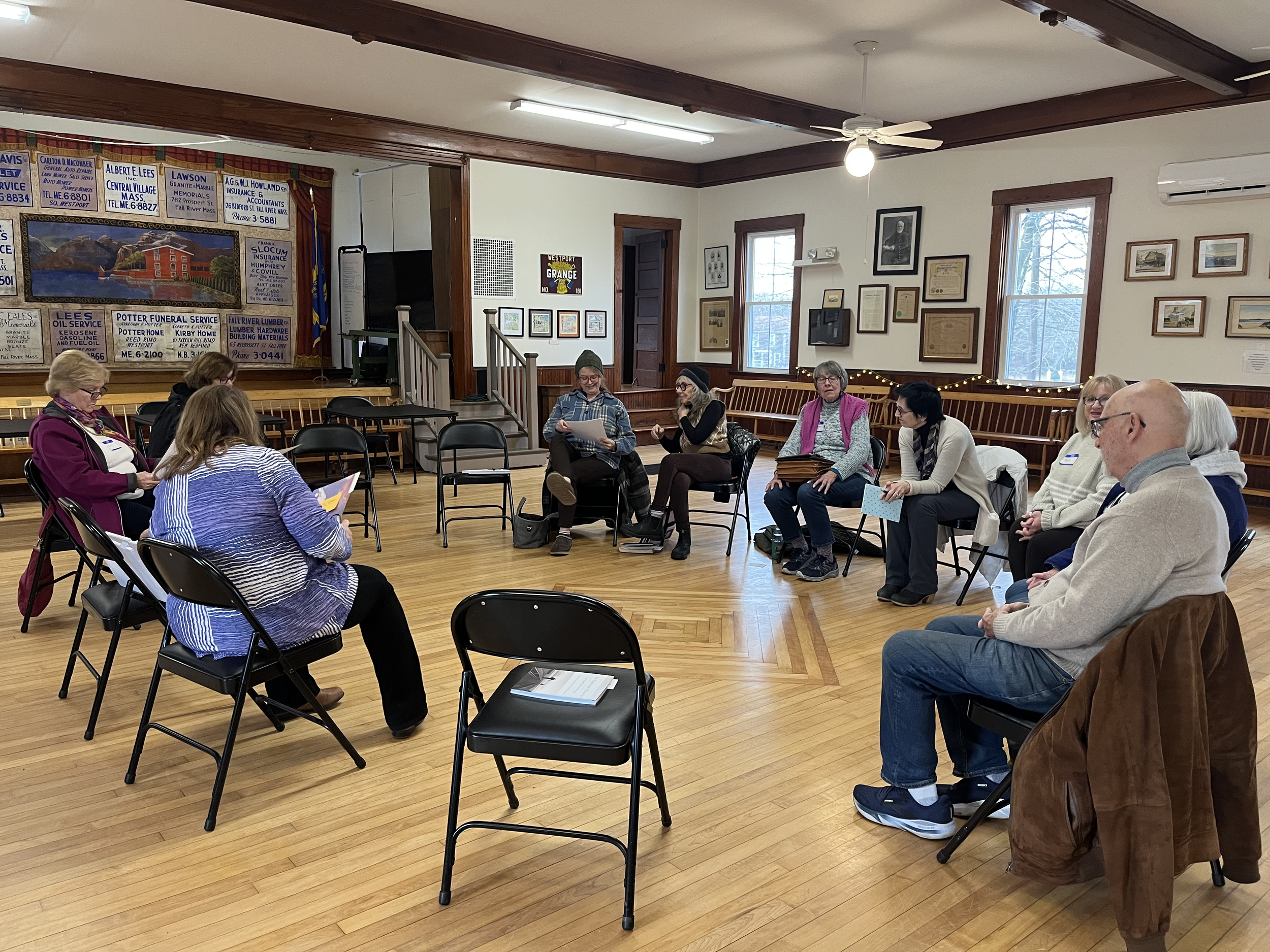
To that end, the first session, facilitated by Midori Evans, Lisa Chan, and Lorna Miles in absentia, began by asking:
What and Where are our Landmarks?
“To exercise a care of attention towards a place – as towards a person – is to achieve a sympathetic intimacy with it.”
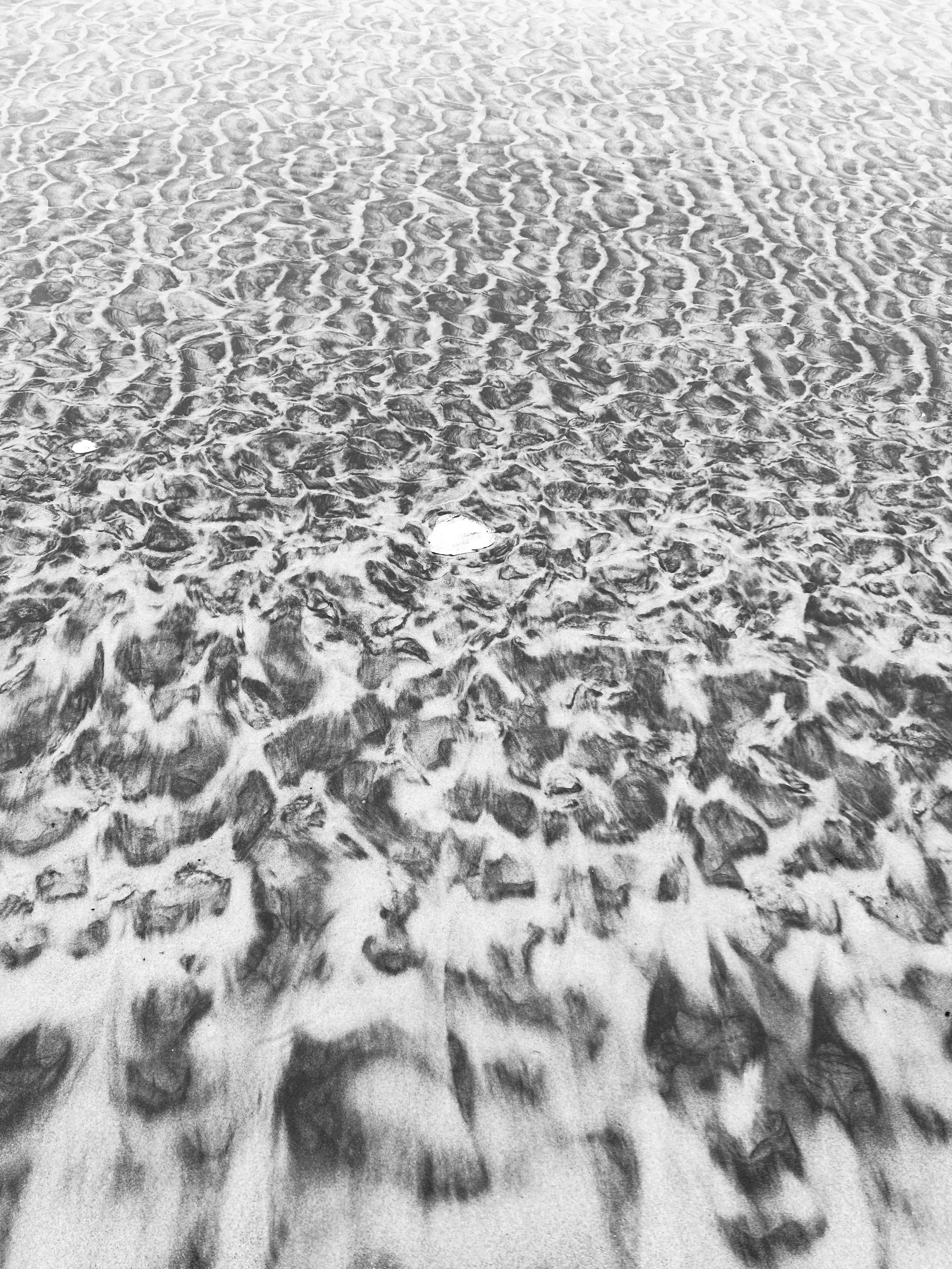
Everyone was eager to share ideas and stories about the landmarks that are meaningful to us –
the views when walking at Cherry and Webb… a grandfather maple tree planted when someone was a baby…Gooseberry Corner, a made-up name for a favorite swimming spot…the moment the graffiti was cleaned from those rocks by the Knubble some time ago.
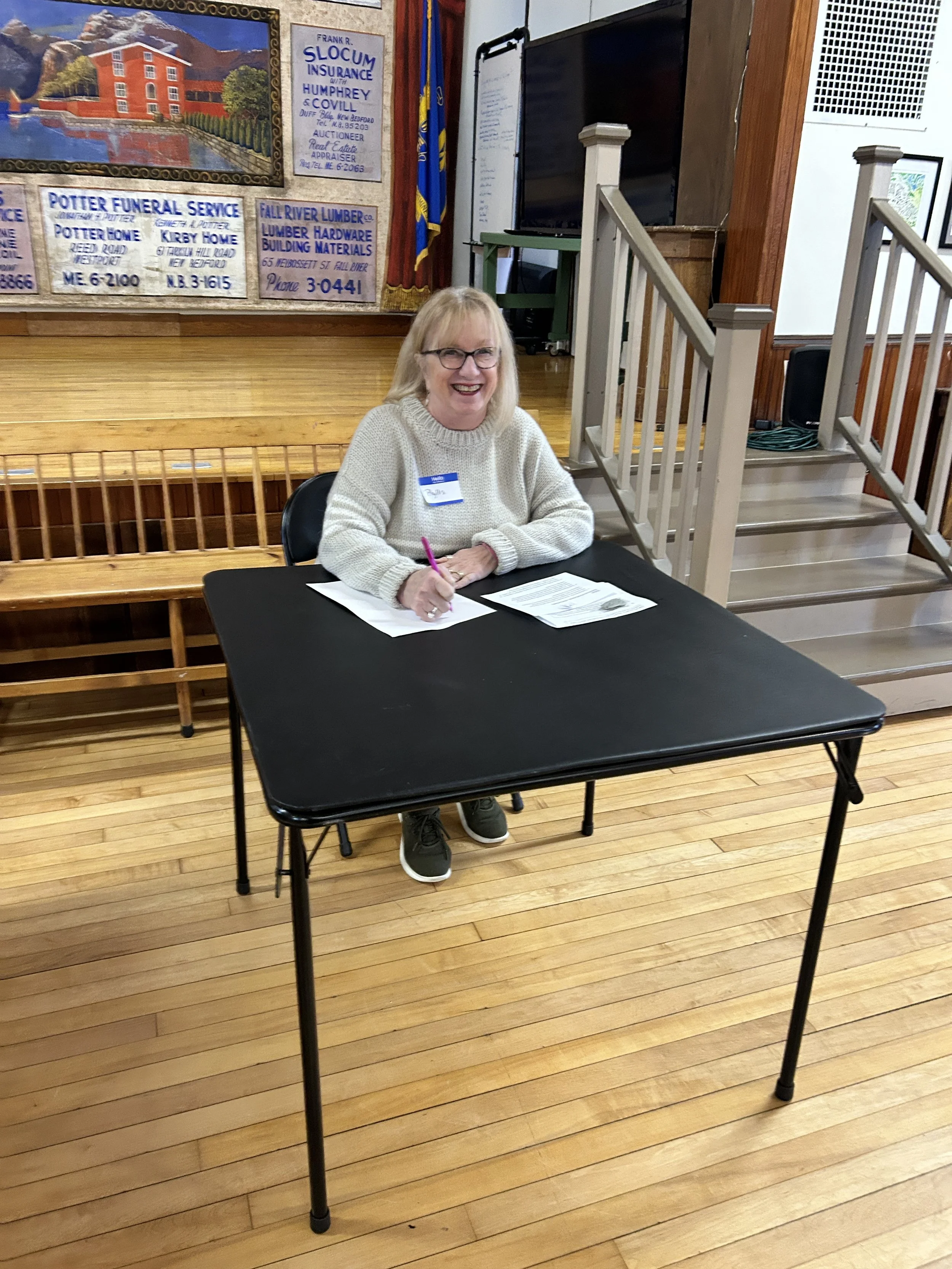
More than the places, though, is the emotion. Our essence and our sense of selves get woven into these places.
We knew going into the planning that our “winter series” had a high chance of being knocked off- kilter by snow. And indeed, that happened, but no one was complaining.
As we awaited inspiration and talked about our childhoods full of snow, Jennie Kristel of Journey Works and Michael Watson welcomed us into a rich conversation about belonging.
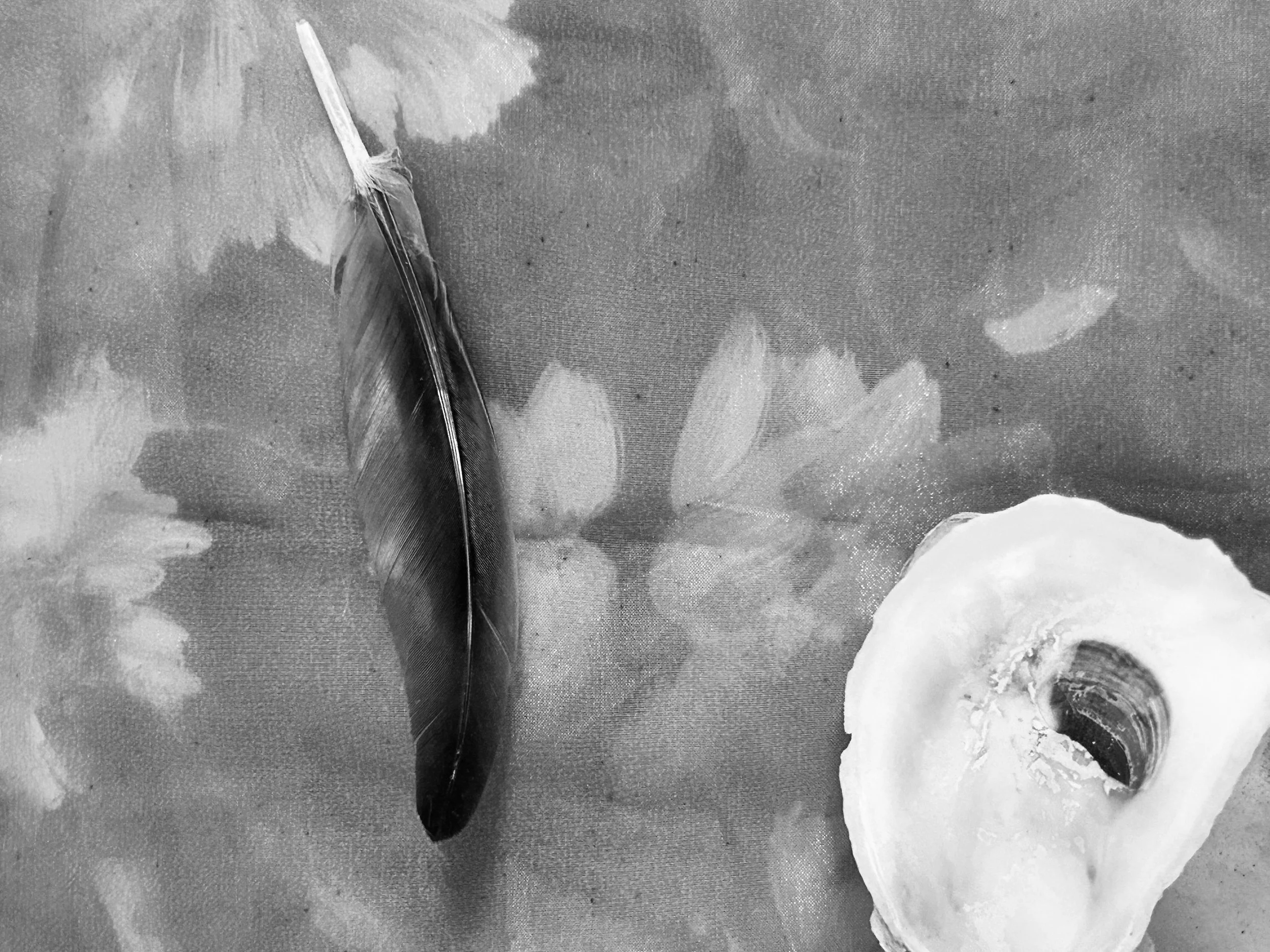
When we responded to a question about where we were connected when we were seven or eight, all sorts of stories about childhood began to emerge.
From the impact of water to the big skies of Montana, we found new touchstones that defined who we are in relationship to the world around us.
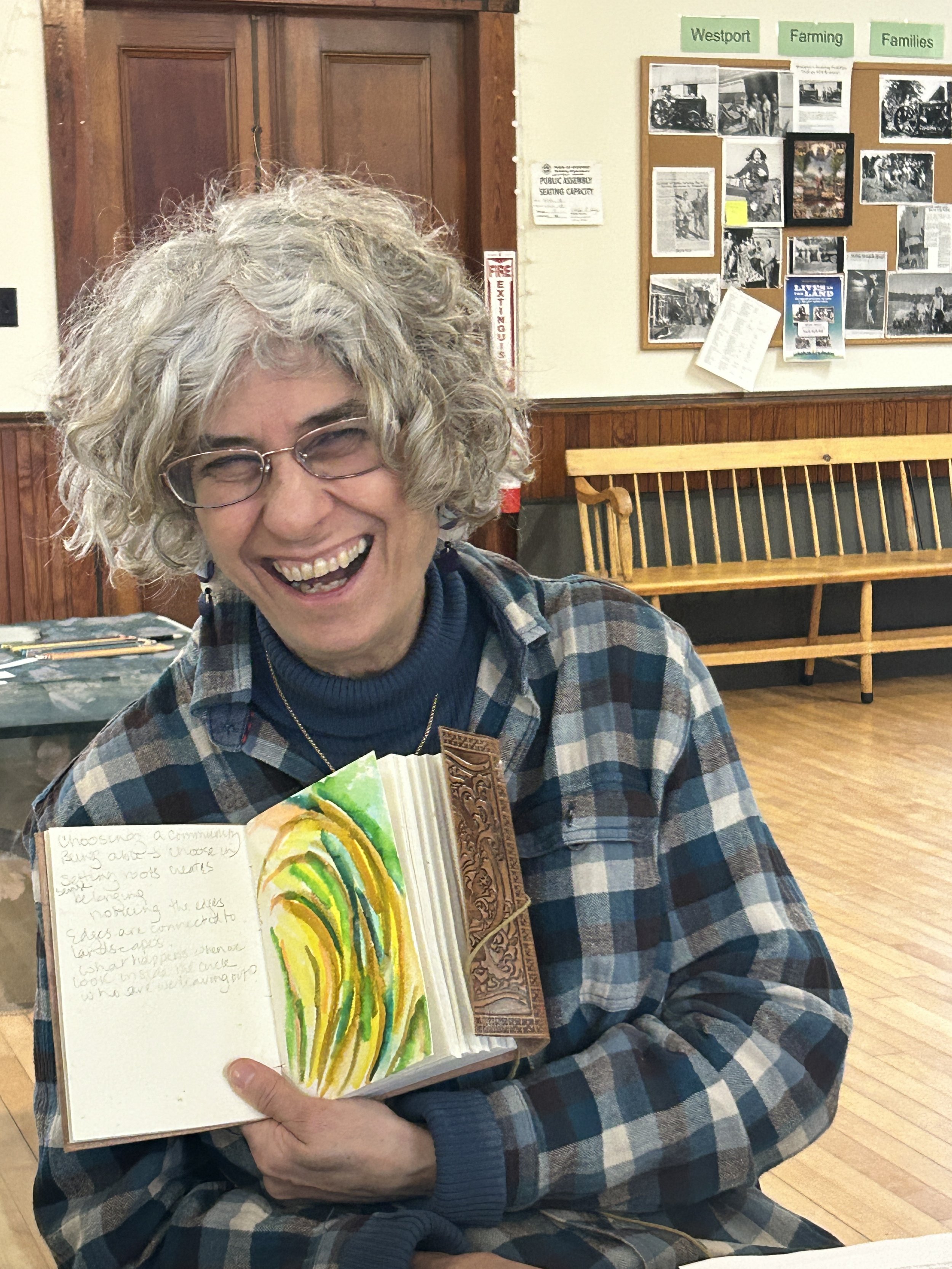
As we headed off to hunker down and await the snow, Jennie read a quote from Henri Nouwen, the well-known author who lived at L’Arche Daybreak, a community for people with intellectual disabilities. “The best of community does give one a deep sense of belonging and well-being; and in that sense community takes away loneliness.
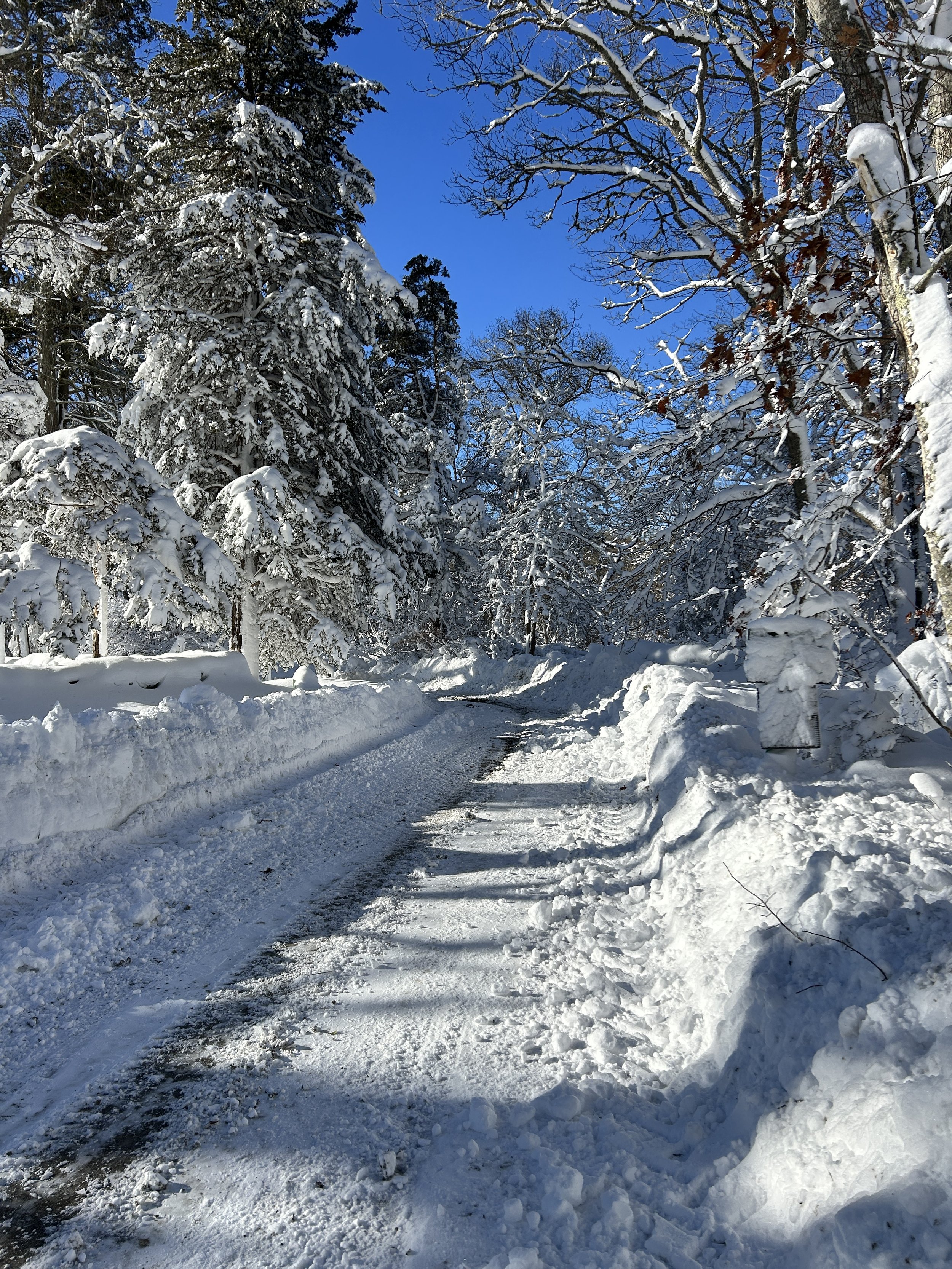
Main Rd., Westport Feb. 24, 2026
Our gathering on Feb. 8 that focused on The Sea and River had an exciting addition, thanks to a connection via Laura Orleans from the Fishing Heritage Center in New Bedford. There is an entire conference of fisher poets out in Astoria, Oregon that has been meeting for quite some time. One of them, Patrick Dixon,
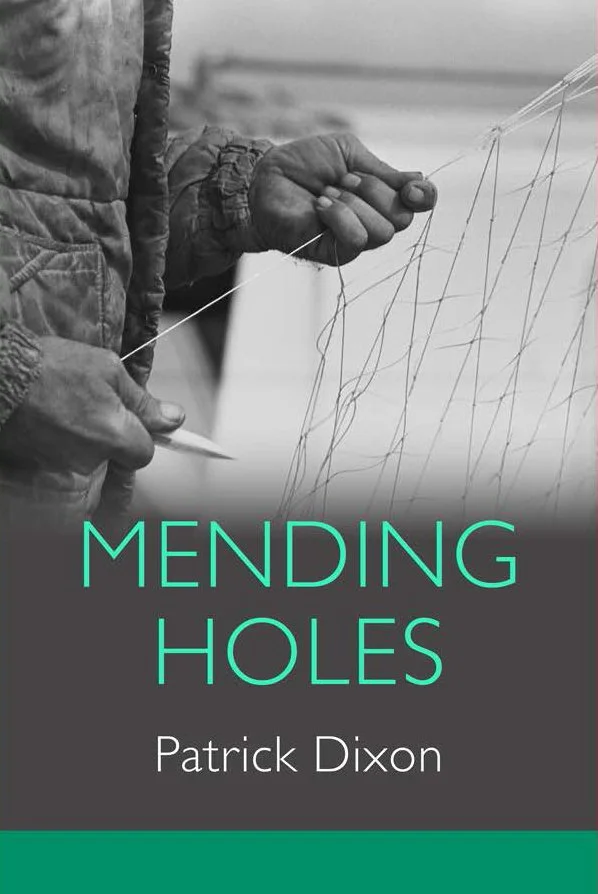
a writer and photographer and former commercial fisherman, graciously contributed his poem, Twilight on the Boat to our agenda, read by Krista Allen. It’s part of a larger collection of fishing poetry entitled “Mending Holes,” published by MoonPath.
Corey, in turn, read Clem Starck’s “Deciding the Course My Education Should Take” and then wandered with us through the world of internal water. She said, “I started thinking about water in our lives, even if it’s not specifically a natural landscape feature. Rain, mist, dew… all of these forms of water that are transitory. They are still a part of our natural world, but we can't point to them because they come and go in our lives.”
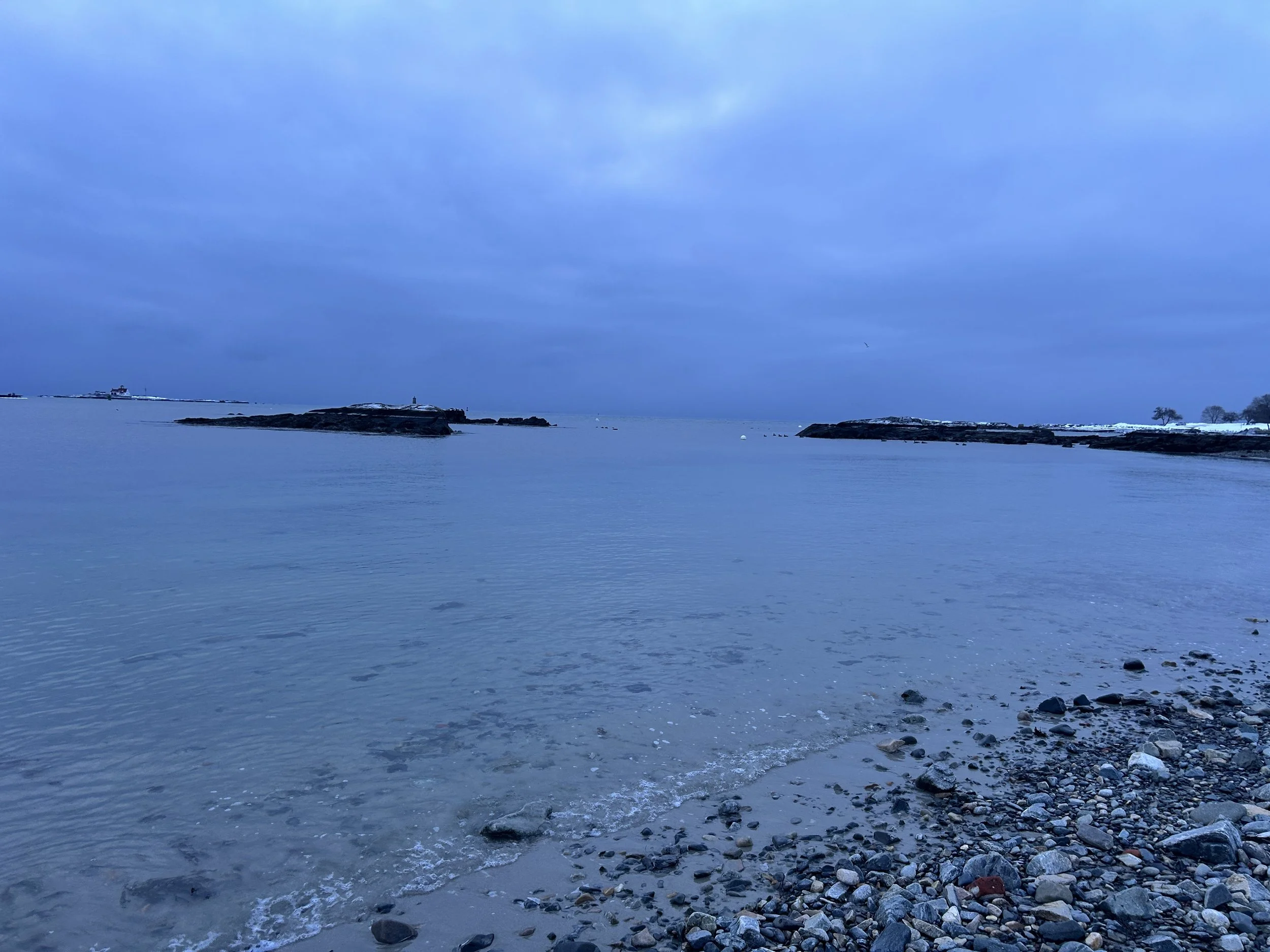
She then presented: “My question to you today, especially thinking about how our bodies are made of water, is how does our bodily presence interact with these transitory forms of water?”
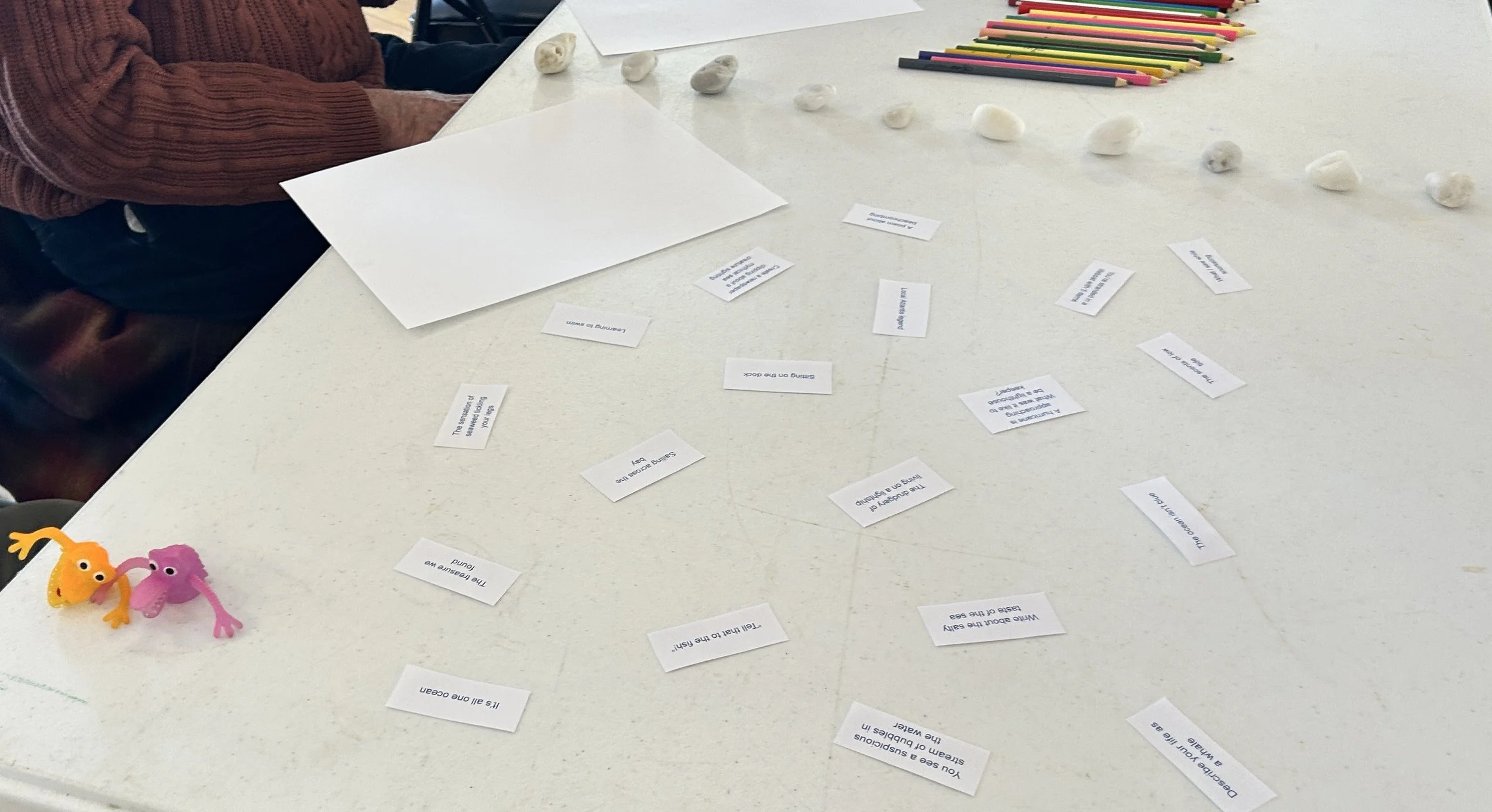
We got to break off into groups and join with our finger puppet friends (their reputation precedes them!) to go write.
Thanks for the amazing sea and river prompts, Krista!
Finally, last but not least, we welcomed Dee Levanti of Ivory Silo Farm and Lisa Chan of the Westport Writers Group for Land and Meaning: Relationship, Generational History, and Use. Lisa shared wonderful quotes with us, including “I write to reveal my way of being in the world, my sensibility. What am I but my sensibility; my self, my experiences, the changes I’ve made and seen?” (Zadie Smith)
while Dee brought us into a thought-provoking dive into native farming techniques that preserve the interactions among plants, people, and soil. “Working alongside the plants, the women would have coaxed soil up the mounds with noninvasive shells and hoes, ensuring the shallow corn roots were protected, not only by squash leaves but by their own hands. The Plymouth and Portsmouth settlers might have seen a terrible chaos of tangled vines…
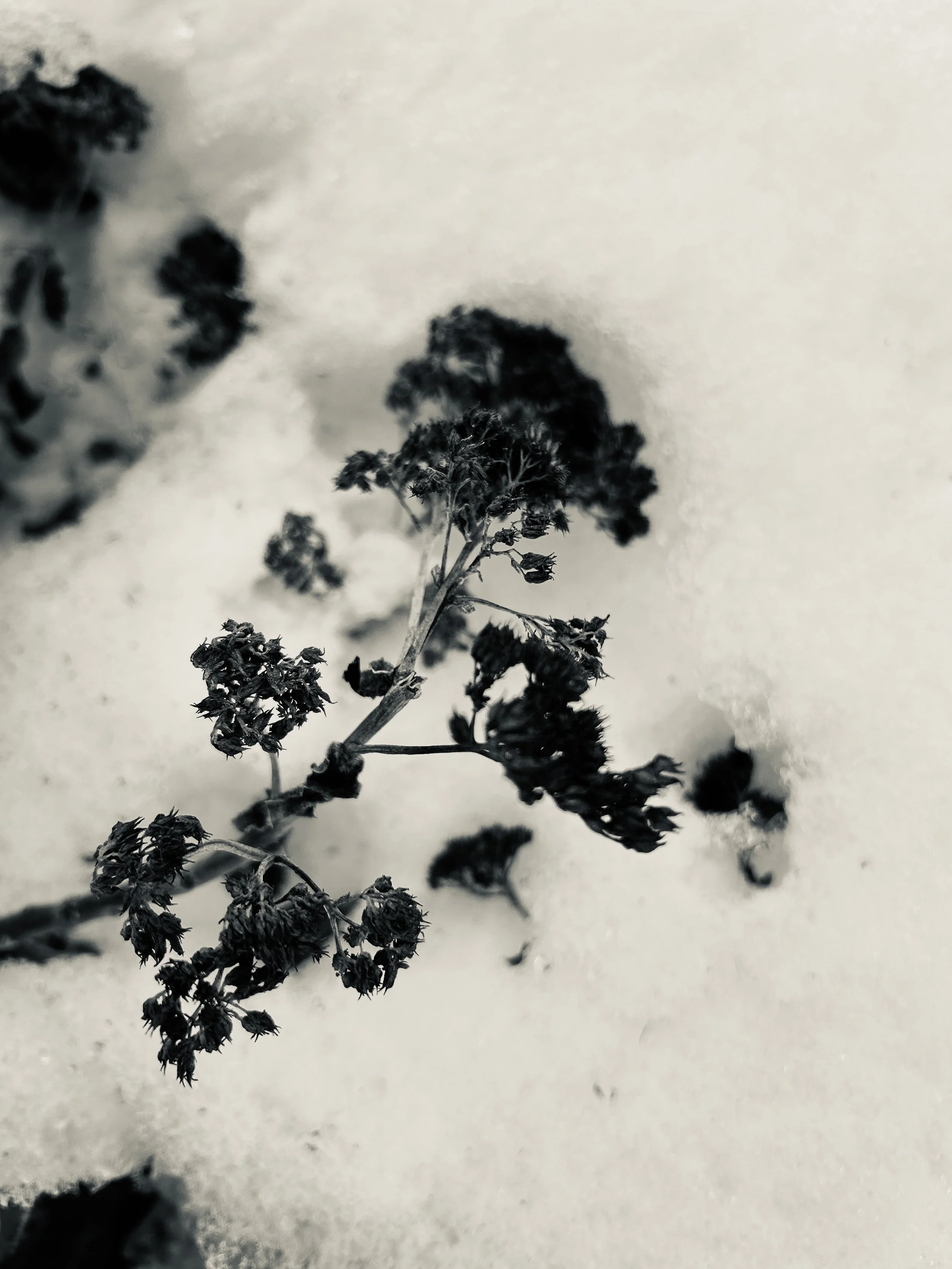
But this “ecological cornucopia” had its own order, a network of relationships that fostered long-term sustainability. (“Our Beloved Kin: A New History of King Philip’s War” by Lisa Brooks)
So as we think about the many different stories and interactions people have with the land, imagine that trajectory tracing back over time. Imagine the life of the land itself as the world has changed and developed. These moments when we connect to each other and to the land around us are precious.
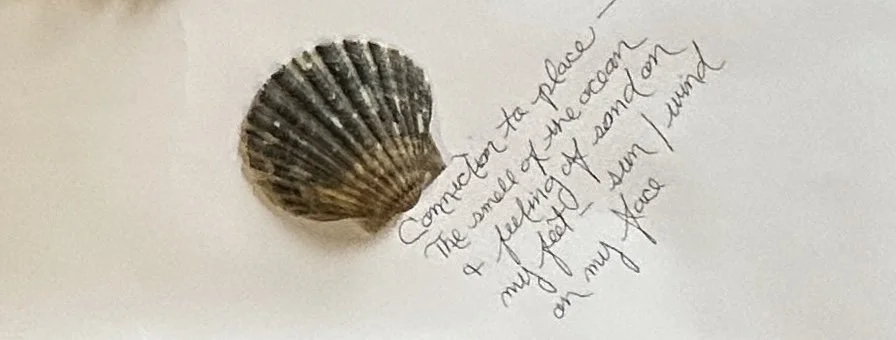
They can remind us and help us feel at home – no matter the weather! We look forward to continuing these conversations.