The Mermaid Report
New England waters are not warm. Nevertheless, mermaid sightings abound. In the 1600s, an aggressive creature having a human top half with the tail of a fish was reported off the coast of Maine. Early explorers, such as Henry Hudson in 1609, documented observations of a mysterious mermaid. A merman wearing an English cap was sighted in 1714 near Nantucket’s Great Point by a minister named Valentyn with a “monstrous long tail.” Lighthouse keeper Theodore Judson encountered what came to be known as The Lordship Mermaid off the coast near Stratford Point Lighthouse in Connecticut.
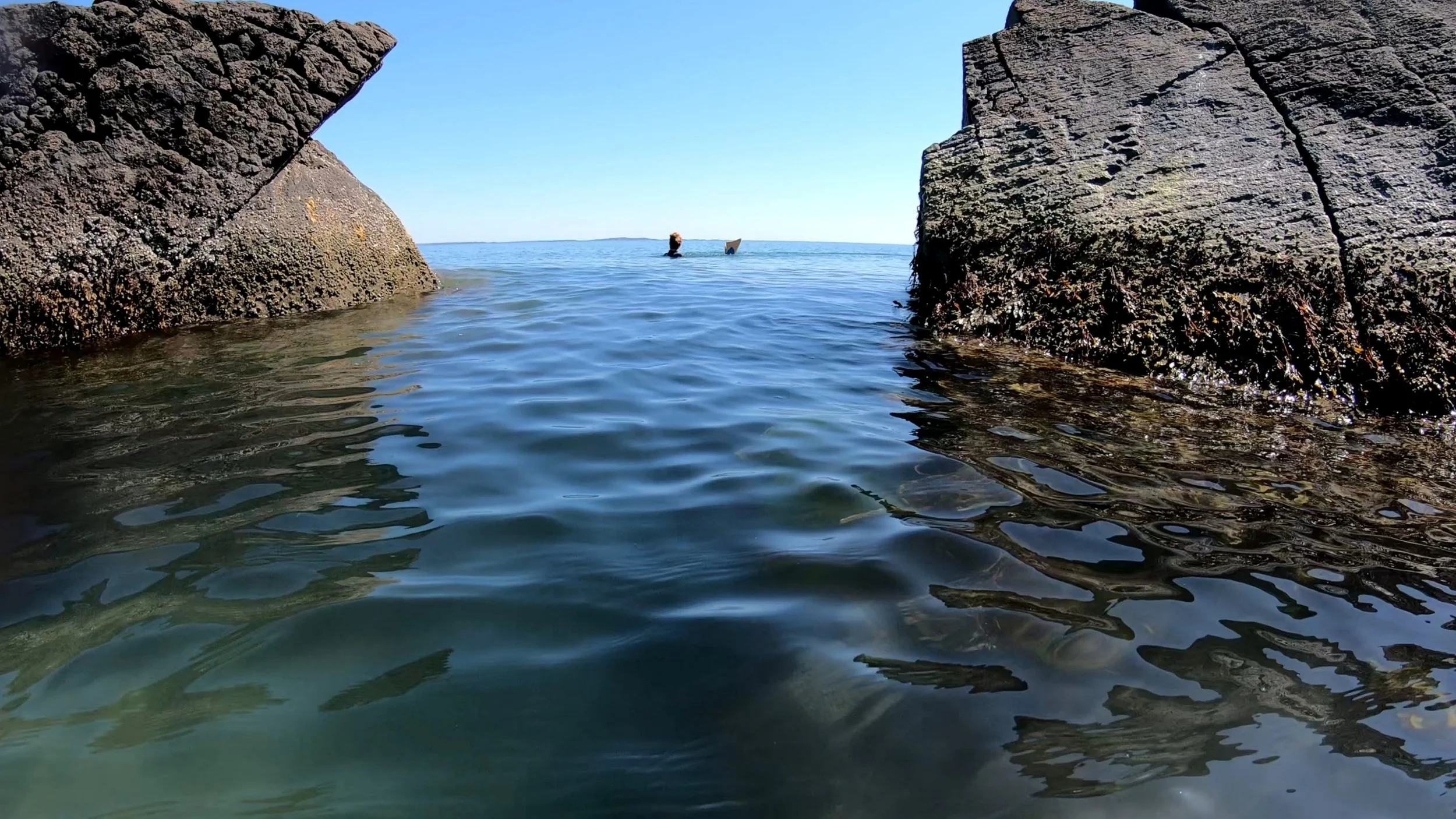
There is even a native Passamaquoddy tale in Maine of two girls transformed into mermaids, referred to as Ne Hwas, who later interacted with the community. Closer to home, a Marshfield, Massachusetts resident and her dog supposedly spotted a mermaid repeatedly at Brant Rock in 2015.
No mermaids were spotted this past weekend. In fact, thanks to cold and windy (but sunny!) weather conditions, and the fact that the causeway to Gooseberry Island was still closed due to snow in the parking area, there was little interest in the walking book club meetup.
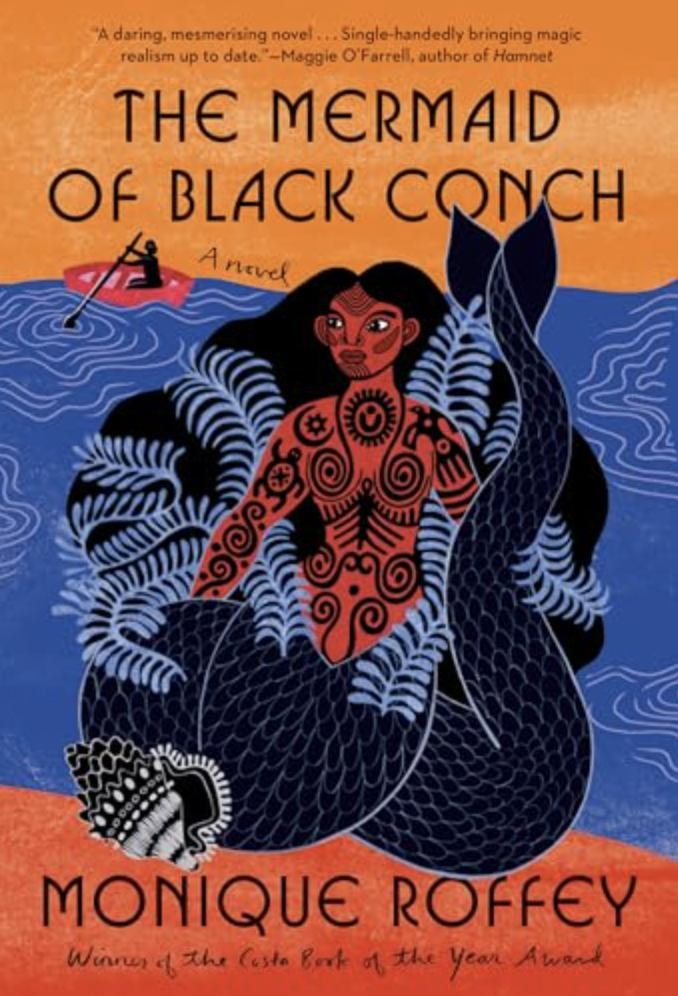
The book I’d chosen was The Mermaid of Black Conch, by Monique Roffey. It differs from traditional mermaid stories in a variety of ways. But I don’t want to spoil the story should you choose to read it (just power through the first uncomfortable Hemenway-esque forty pages). Of particular note is the author’s admirable decision to use a combination of native patois, journal entries, and poetry to isolate the characters’ voices within the narrative.
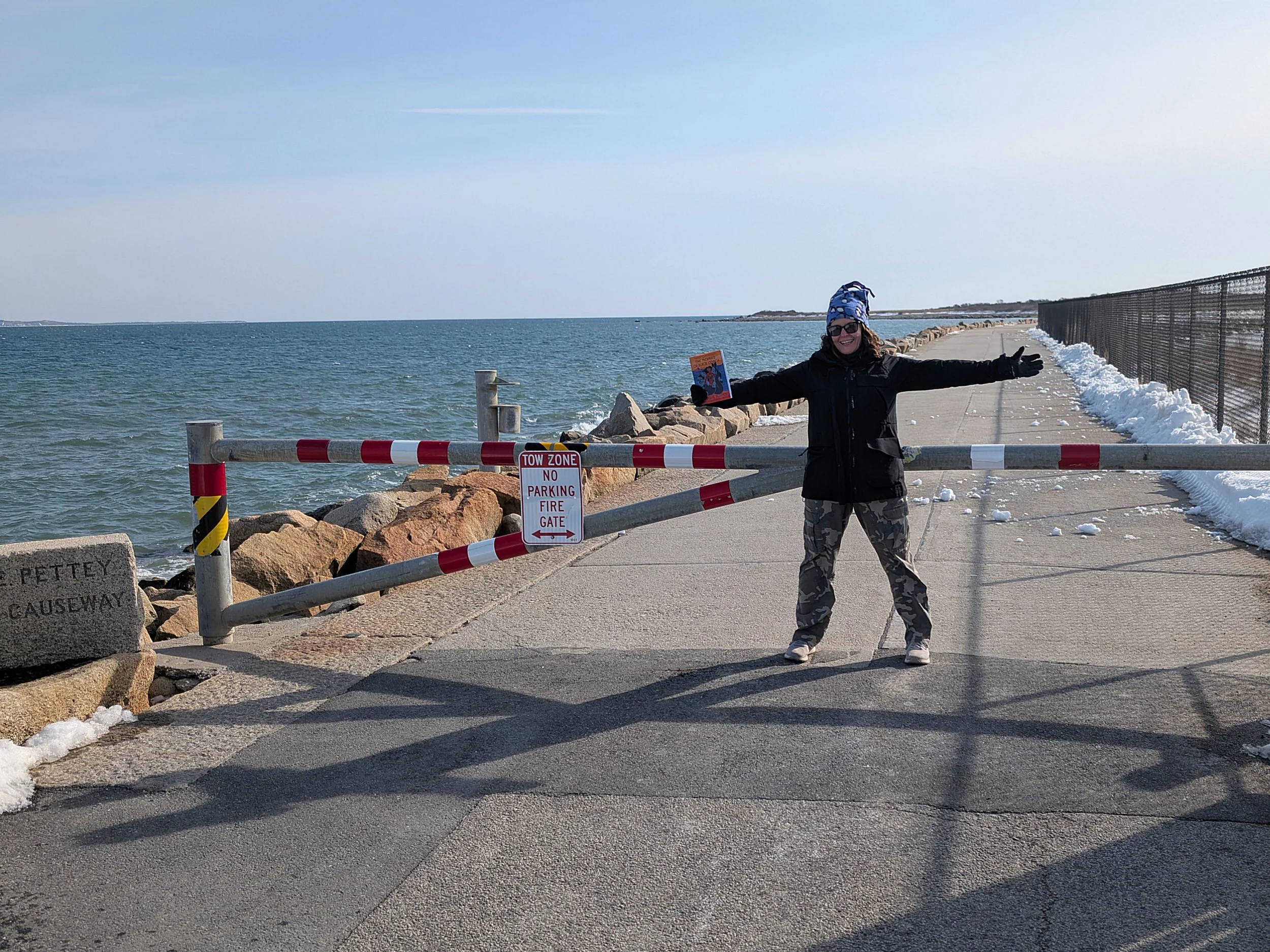
I’m a huge fan of mermaid fiction. I consider nautical literature in general a genre unto itself, with most of the books in our living room bookcase dedicated to all things aquatic.
The last blog post by Paul Mercier about the local Mermazons is a testimony to people’s fascination with mermaids and those who emulate them. The group has been featured in Westport Shorelines and the South Coast Almanac.
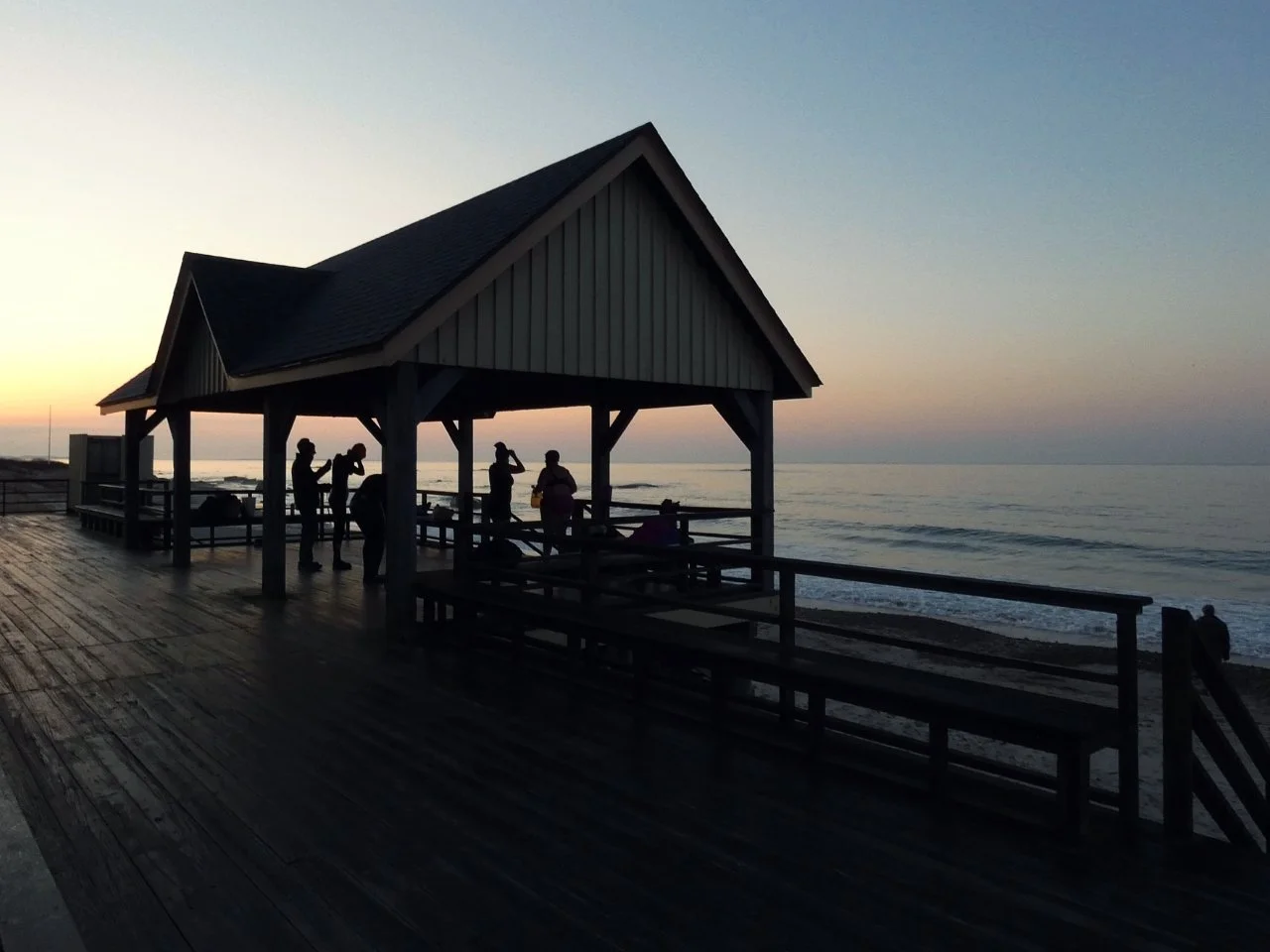
The Mermazons and other open water swim groups meet year round. Regardless of a group’s location–coastal vs inland–participants tend to favor the early morning, before beachgoers descend, before work requirements begin, before scorching sunlight necessitates liberal use of sunscreen. It often becomes a daily ritual for both exercise and mental health. It’s almost as if a portion of humanity is trying to return to our pelagic origins.
How did mermaid myths emerge? Sailors squinting towards the horizon have long reported a variety of unidentifiable sea creatures, many of whom they’ve dubbed mermaids.
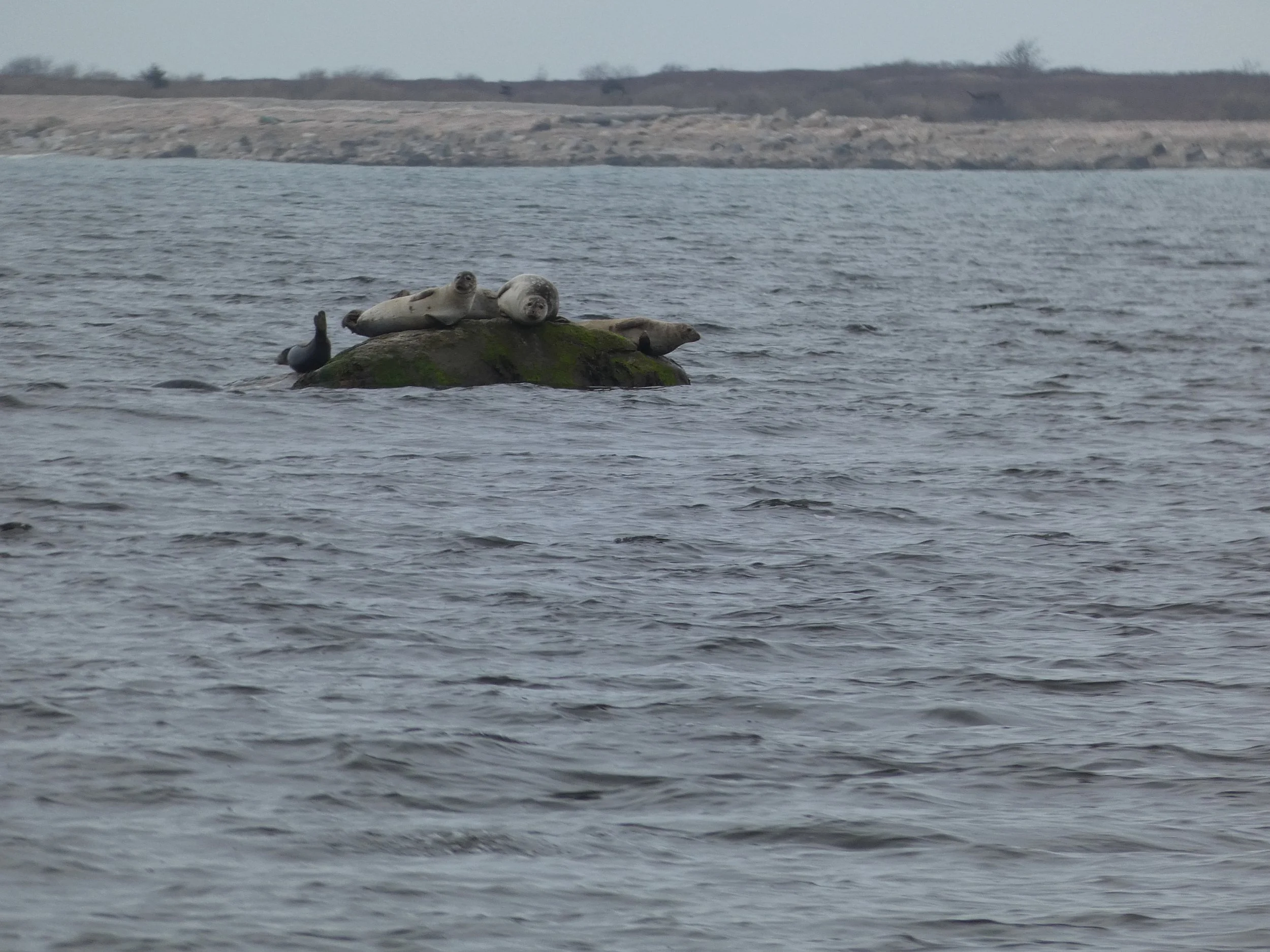
From shore, seals basking on rocks gave rise to the Scottish, Irish, and Norse legends about selkies, creatures that resembled seals in the water but morphed into human form on land.
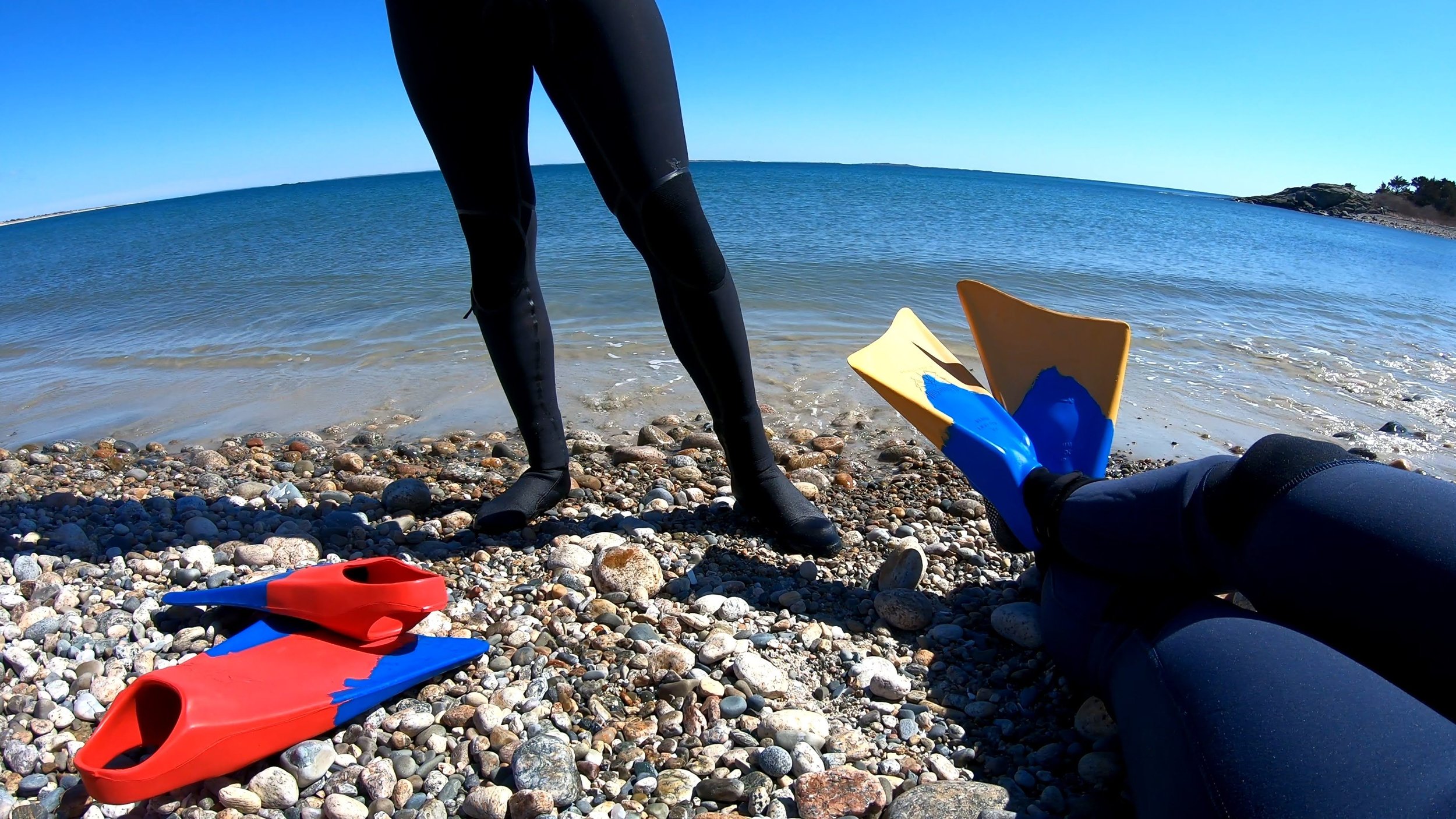
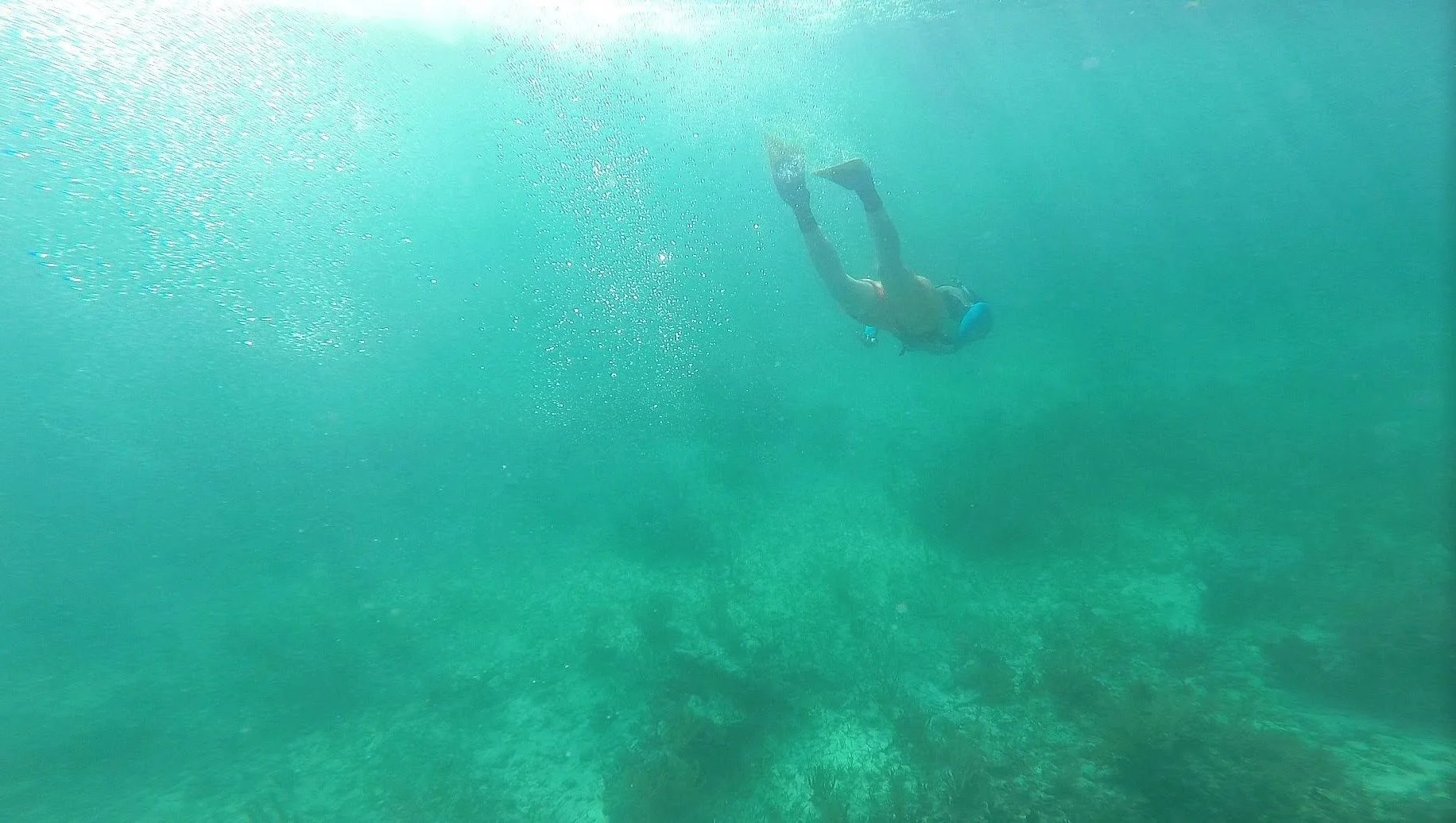
Stiff swim fins used for bodyboarding, when simultaneously elevated from the water, resemble a mermaid’s tail fin. Bodyboarding is boogie boarding’s more serious big sister, spawning the IBC Bodyboarding World Tour. I have been accused of being a mermaid when swimming up to kids at the shore. While the link to the article is now defunct, I was the subject of an article by The Mermaid Society in 2014 about the strong connection many of us have to the ocean.
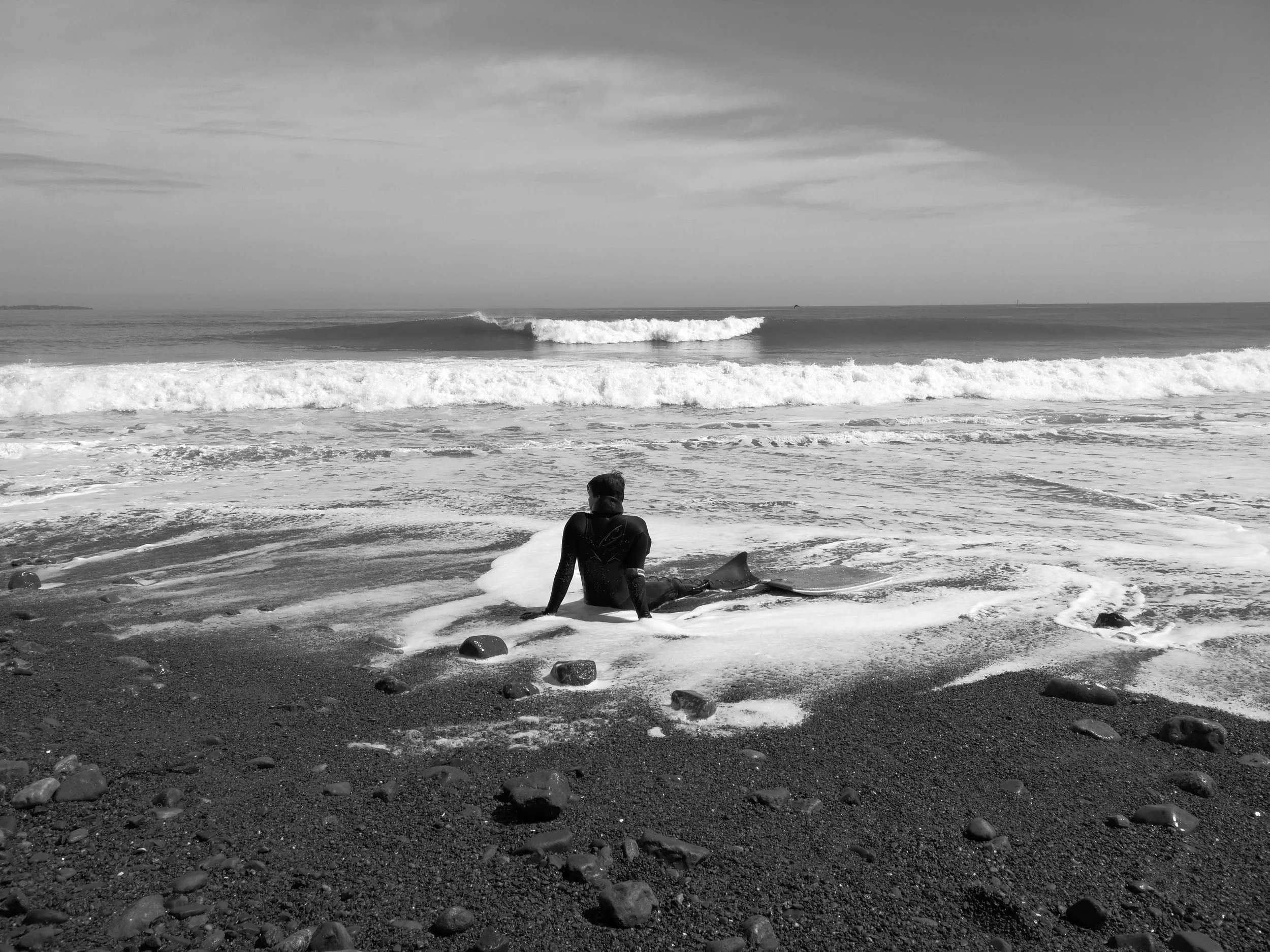
While bodyboarding, swim fins, snorkels, and scuba gear are all relatively new inventions, people have been diving into the ocean since our distant relatives first crawled onto dry land. For as long as stories have been shared, myths about mermaids and their kin have captivated imaginations. The most well-known mermaid tale, The Little Mermaid, was not invented by Disney, but was originally a short story first published in 1837 by Hans Christian Andersen.
If you’ve read The Mermaid of Black Conch or any other mermaid book and would like to discuss it, let me know! Would you be interested in a mermaid-themed writing workshop? Mermaids are shy creatures by nature, but there are many of us hiding in coastal coves, sea caves, and even your local library!
Save the date for the next installment of the Walking Book Club. We will meet at 2pm on May 3rd at Westport Woods Conservation Park to discuss Get The Picture, by Bianca Bosker. Hope to see you there!
