
Living in New England, we experience a wide range of weather across the seasons.

Summer brings intense heat for a month or two, while winter delivers deep cold, with below-freezing temperatures on and off for as long as two months. Spring brings plentiful rain, which is why we often call it mud season. Fall offers a pleasant cooling, though it can be somber to watch the leaves turn from green to brown.
Once the trees are bare in winter, the shortening days keep us indoors far longer than we’d like. The two-foot snowfalls we had in 2026 were a burden we could have done without.
This seasonal contrast is more pronounced here than in most parts of the country: we get a taste of tropical heat in the middle of the year and a taste of arctic cold at its end. For me, the onset of winter brings the discomfort of painfully dry skin, while the warm, salty ocean water of July heals it completely. Yet enduring the sting of deep cold only makes the return of summer’s warmth more joyful, even exuberant. It has been said that you cannot have light without darkness, and perhaps the same holds true for the seasons: without winter’s long nights, we might never fully savor summer’s long, golden days.

It’s funny how we New Englanders think. By mid-August, we complain about the heat, and by late January or early February, we bemoan the freezing temperatures. So what’s the deeper meaning in all this? Perhaps that life brings an even mix of bliss and sorrow, joy and sadness, just like heat and cold. Once we accept that we are powerless over nature’s cycles and let go of our resistance, we have the opportunity to live more happily in each moment.
I used to suffer from SAD (seasonal affective disorder) because of the short days, lack of sunlight, and long stretches indoors. A few years ago, though, I decided to go for a walk outside nearly every day in winter. On those walks, I discovered real joys during the year’s harshest days. Simply feeling the sun on your face brings a glow, a lift to the spirit. On the beach, you can still take in the beauty of the shoreline and hear the enlivening sound of waves breaking.

On a windy day in the woods, the trees shelter you from the cold, and the forest can feel like a cozy extension of your living room. The same is true if you find your way to a deep hollow in the sand dunes. Lying at the bottom, protected from the wind, you can still get a sunburn as you rest on your back, recalling those hot summer days on a beach blanket, after having taken a refreshing dip in the ocean.
Winter has its indoor gifts, too. There is more time to read a book cover to cover, or to head down to the cellar or out to the garage and finally organize the tools, gardening equipment, and summer and winter sporting gear. Starting seedlings indoors in late February is another joy, knowing that in about 45 days you’ll be able to make your first planting.
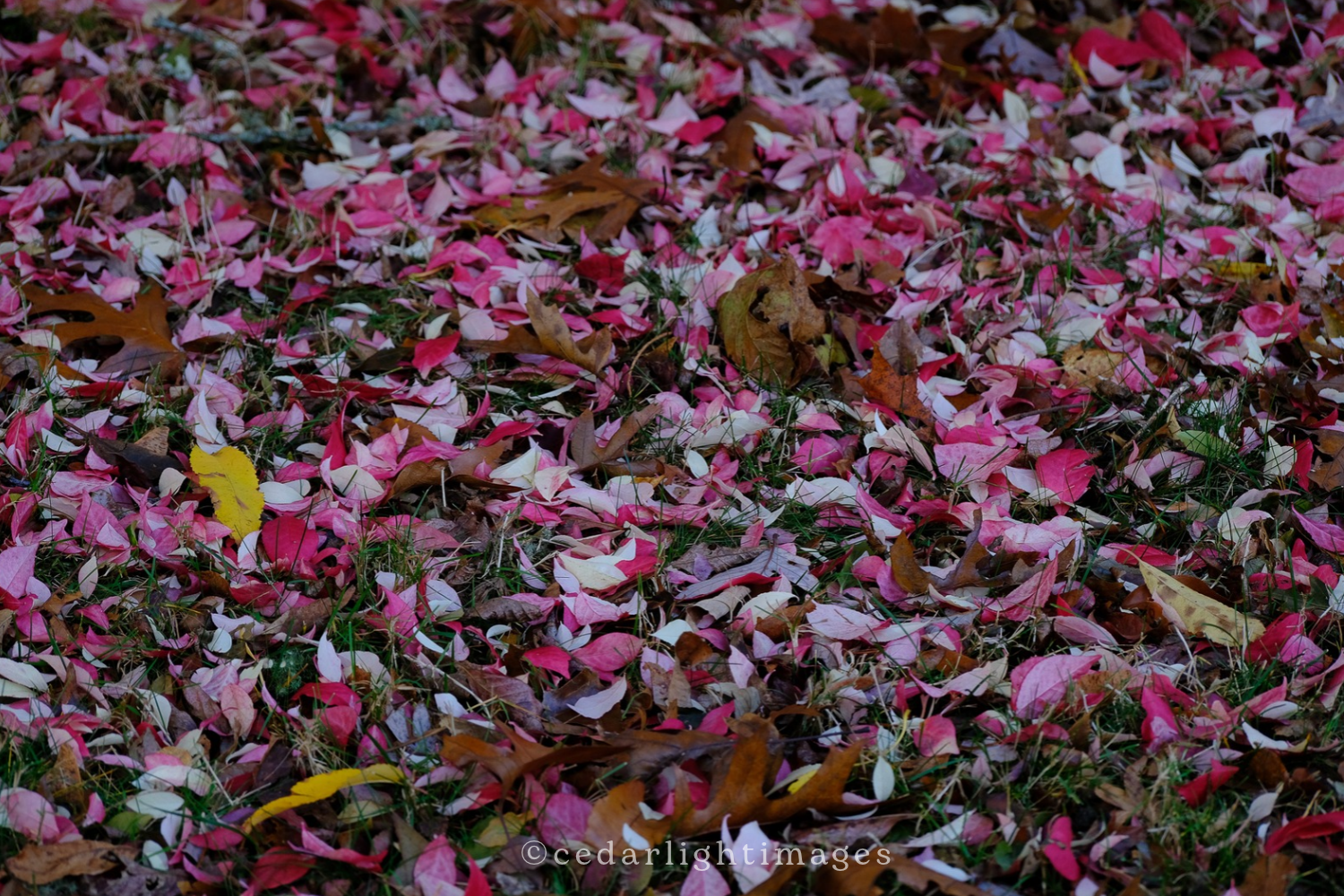
Each of the other seasons has its own pleasures as well. Fall is a great time to get on a bicycle, strap on rollerblades, or lace up your running shoes. You can go all out and get a real workout without risking sunstroke or dehydration, a chance to treasure, knowing it will soon be too cold.
In late winter, I then look forward to spring skiing. Cruising down the slopes in a parka and shorts offers another vivid contrast, cold snow meeting bright sun in late February or early March. By then the days have grown longer, and the sun feels warmer and warmer which each lengthening day.
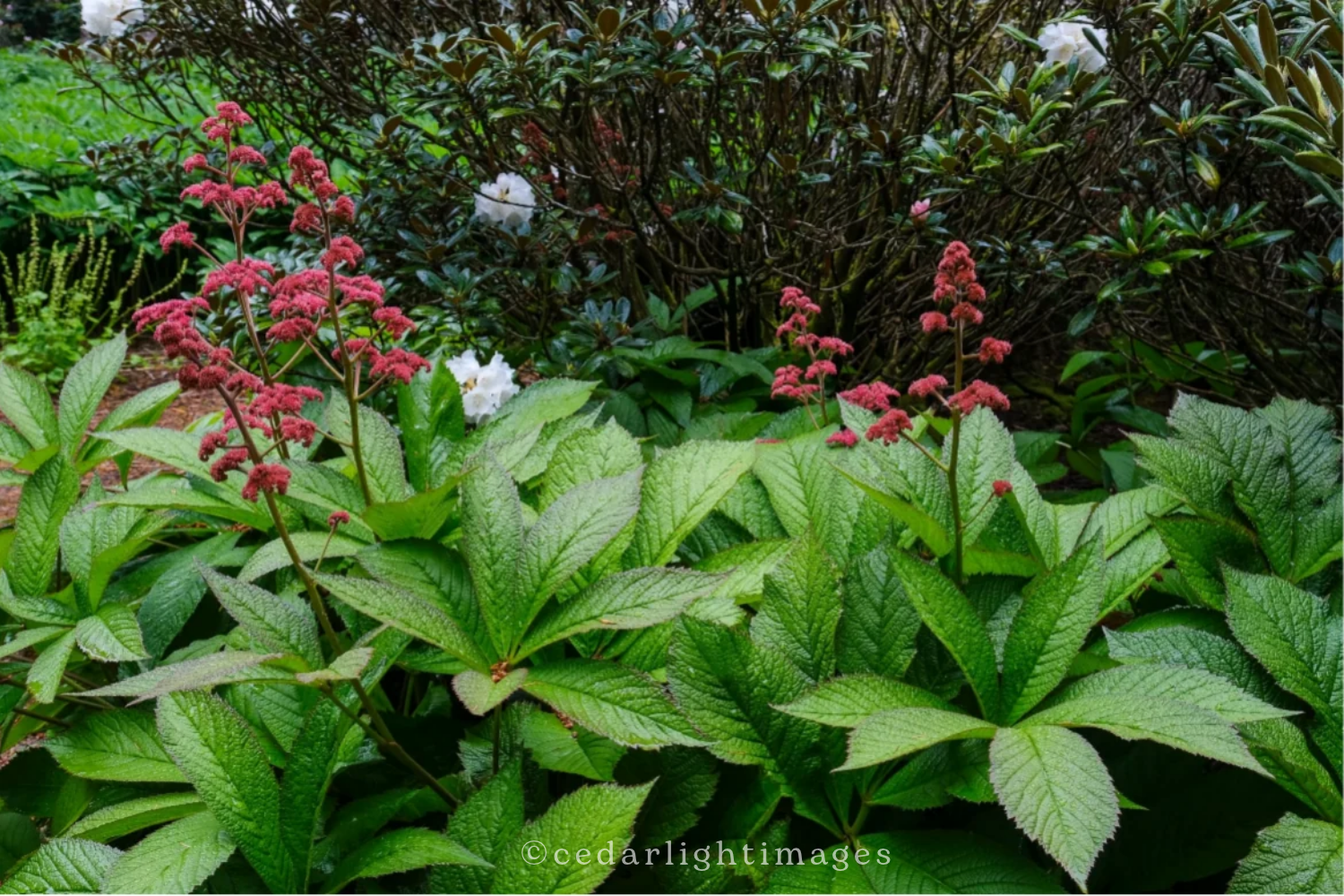
Then come April and May, with their welcome increase in warmth. Getting outside to start the garden is a true pleasure, if only for the chance to be out of the house again.
By keeping our awareness in the present moment, we can step out of linear consciousness and find more happiness even in the darker, colder, and rainier days of the year.
The spring equinox, around March 20, is a high point, because from that day forward daylight outlasts darkness as the last remnants of snow melt away. The fall equinox, by contrast, means shortening days, but it also brings the harvest, a time to gather the fruits of summer’s labor and give thanks for the abundance that sustains us through the cold months ahead. A Thanksgiving table complete with locally grown squash, carrots, and cranberries is a New England treat all can enjoy. Each season, it seems, carries its own gift. We just need to take the time to notice it.