This fall, I had the privilege of interviewing one of the collaborating authors of Reconnections: A New History of the Sakonnet Wampanoag People, the second installment in an in-depth historical series. A joint effort between the Little Compton Historical Society, local Wampanoag and Narragansett Knowledge Keepers, Indigenous artists, local historians, and an archaeologist, this book series strives to present a more accurate portrayal of the Sakonnet Wampanoag.
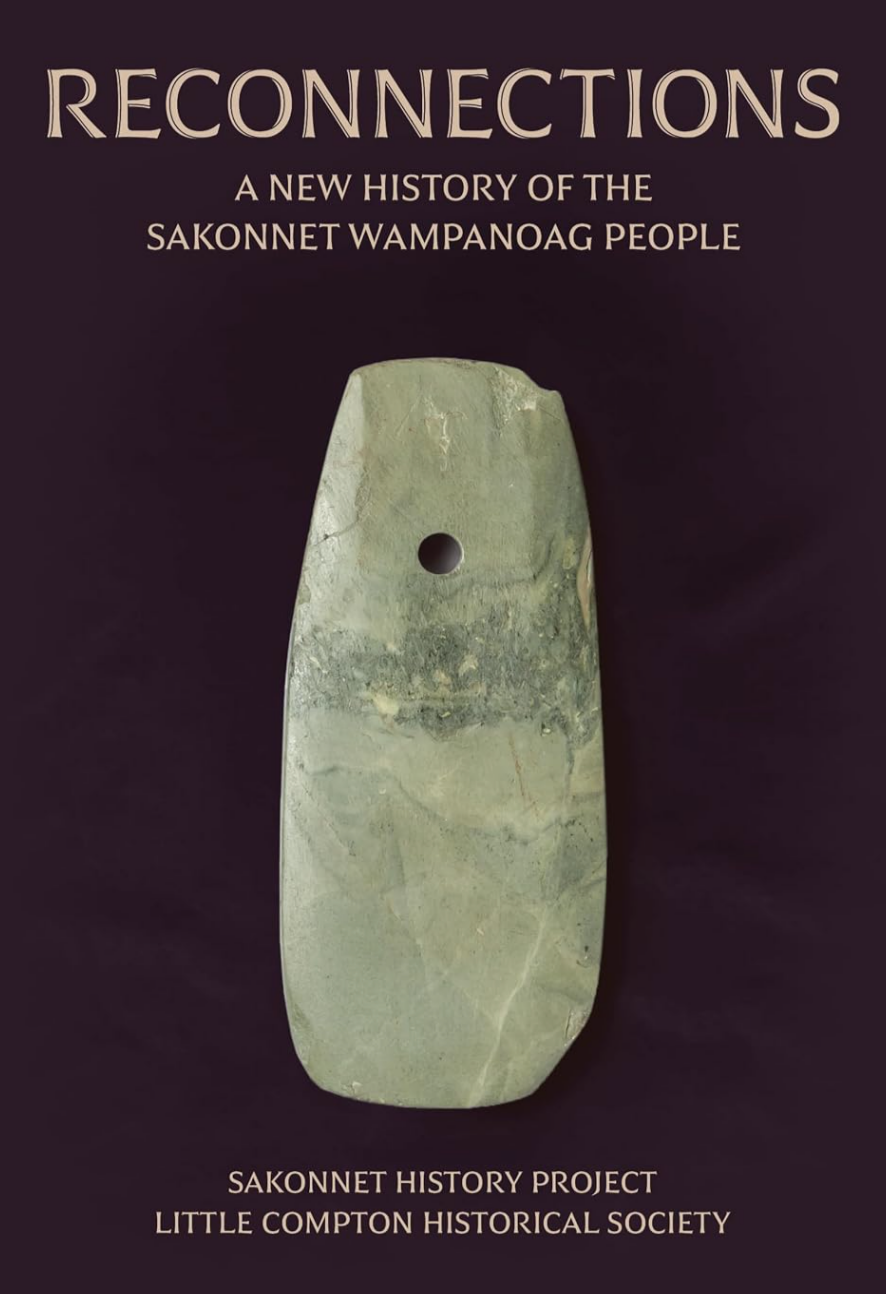
The first volume, Reconnections: Essays & Artwork by Wampanoag & Narragansett Knowledge Keepers, was written exclusively by Native people, including Wampanoag educator Linda Coombs. The second volume was researched and written primarily by local historians Marjory O’Toole, Executive Director of the Little Compton Historical Society, and Melinda W. Green. Three other authors contributed to the second volume as well, including Brad Lopes, an Aquinnah Wampanoag educator, Kevin Smith, archeologist, and Steve Lubar, board president of the Little Compton Historical Society.
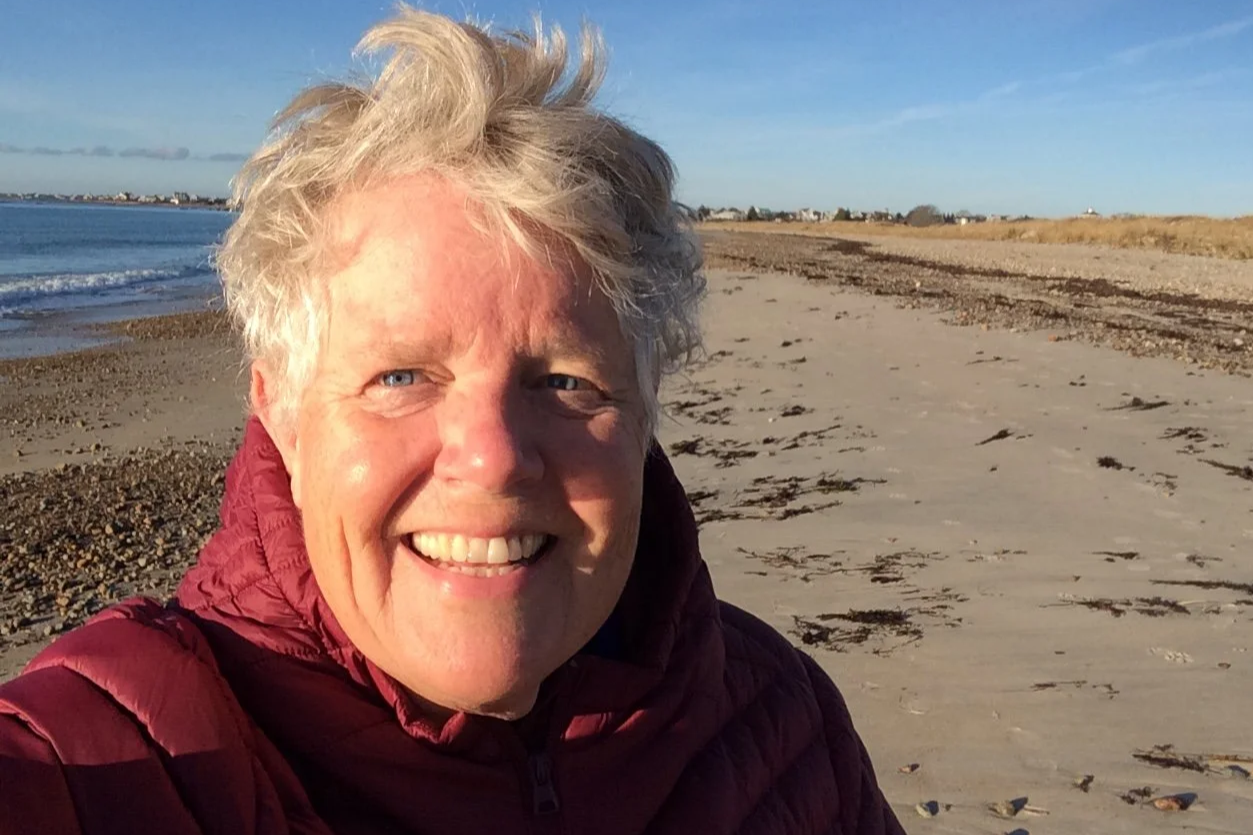
KA: Melinda, thank you for taking the time to talk about your participation in this project. How did you first get involved?
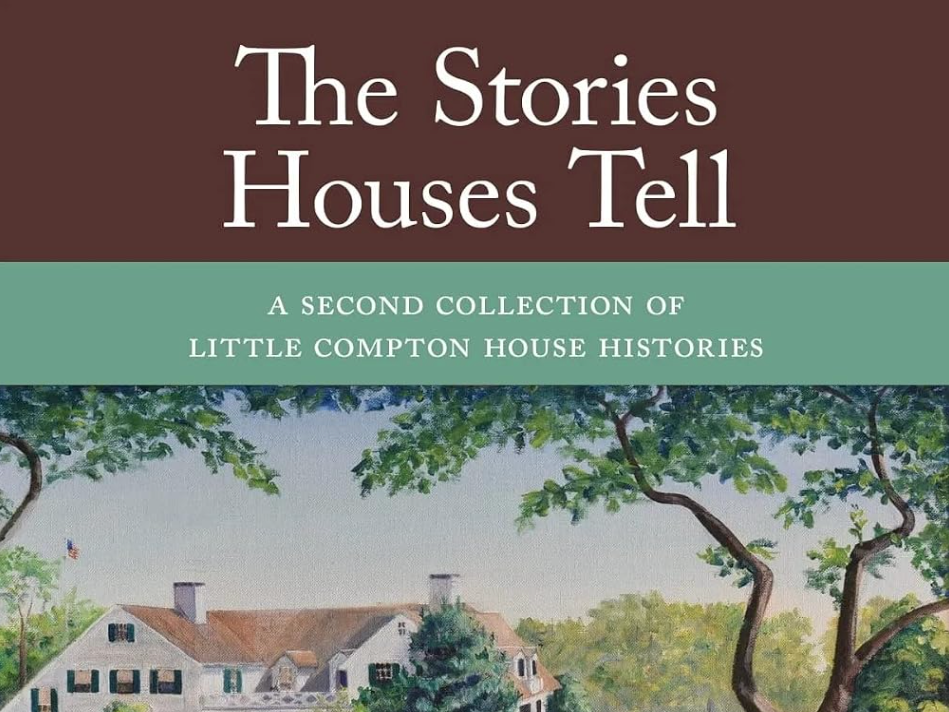
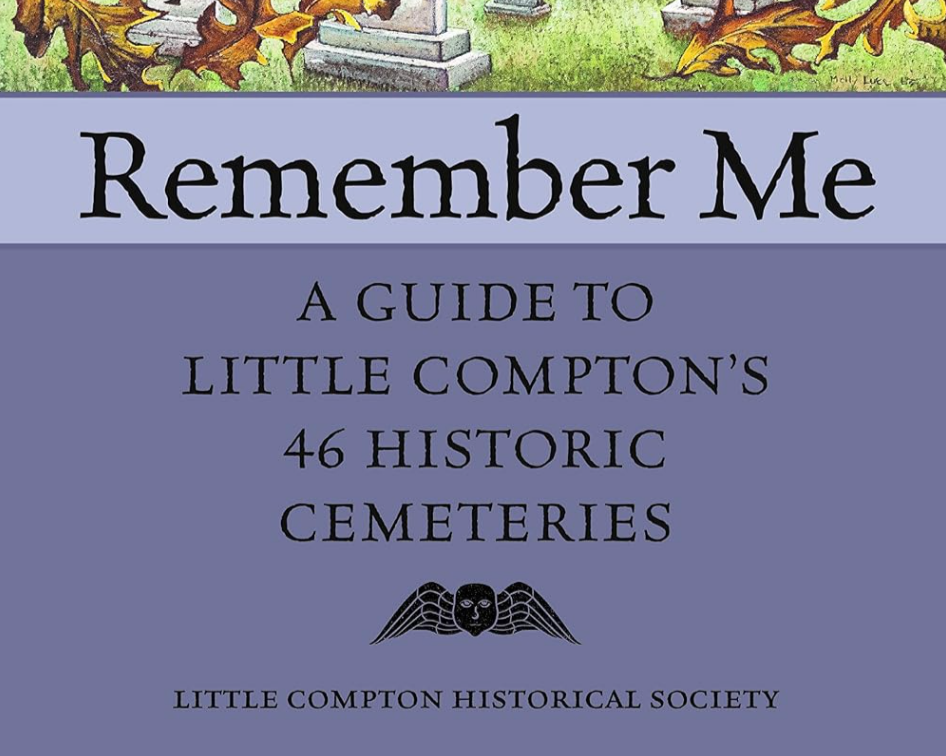
MG: Thanks for asking, Krista! I had contributed to two previous Little Compton Historical Society book projects: Remember Me: A Guide to Little Compton’s 46 Historic Cemeteries (2018), and The Stories Houses Tell: A Second Collection of Little Compton House Histories (2022). When I learned about the Sakonnet History Project I offered to pitch in.
KA: How long did the research take for this second installment? How many people were involved? What did it take to organize such an ambitious project?
MG: I believe I started researching in 2023. Marjory O’Toole had written an essay proposing an updated history of the Sakonnet Wampanoag people which was a jumping-in place for me. Marjory was the visionary behind the book, and the project manager, and I was grateful to have her lead to follow. Five authors contributed, with Marjory taking the lion’s share of the writing. A number of Wampanoag and Narragansett educators, historians, and writers, hired as sensitivity readers, reviewed our chapters and provided feedback from the Native perspective. Other historical researchers generously shared elements of their work that pertained to our focus on the Sakonnet and Acoaxet Wampanaog people.
KA: Originally, you were asked to write a single chapter, but your contribution blossomed into writing or co-writing four chapters. Can you tell me more about that metamorphosis?
MG: I originally signed on to contribute a chapter on the Watuppa Reservation in Fall River, which was granted to Sakonnet, Pocasset, and other Wampanoag soldiers who served in King Philip’s War and the early French & Indians wars. As our research deepened, Marjory and I found more material than we ever expected! Our interests fell organically into categories: Marjory took on untangling the English acquisition of Sakonnet and Acoaxet Wampanoag lands. My research into the Sakonnet soldiers at the Pocasset reservation at Watuppa flowed into researching the long history of military service that started during King Philip’s War and continued through the American Revolution.
Throughout the research period the two of us met, sharing findings, making connections between our research, what-iffing interpretations, piecing together narratives. As I became more skilled at mining the online Massachusetts State Archives I knew I wanted to tell the story of the Sakonnets in the Colonial wars, and offered to take it on as an additional chapter. At some point it became clear that it made sense for me to also research and write the King Philip’s War chapter, which freed Marjory up to focus on the Christian Indian communities at Sakonnet and Acoaxet, and the Sakonnet diaspora.
At first I balked at taking on the King Philip’s War chapter: writing about King Philip’s War was intimidating! Many fine scholars like Lisa Brooks, Jill Lepore, Christine M. DeLucia, Eric B. Schultz, and Daniel R. Mandell have already written entire books on this complex history! But once I zoomed in on the Sakonnet Wampanoag experience in King Philip’s War the task became more manageable. A narrative emerged from the primary source documents, and I was grateful to those authors whose work helped me understand the larger context in which the Sakonnets were operating.
KA: Your work clearly paid off! The chapters are captivating.
Now, the Sakonnet and other indigenous peoples have lived here for 13,000 years. What a humbling experience it must have been to be part of telling their stories. How do you feel you personally fit into their narrative?

MG: I had known that my Mayflower heritage meant that my ancestors were active participants in the colonization of the South Coast, and that I had benefited from it. But when researching King Philip’s War I encountered the report my ancestor, William Bradford Jr., submitted about the attack he led on an encampment of Sakonnet Wampanoag people at the outbreak of King Philip’s War.
I read in his own words that he ordered the killing of two elderly Sakonnet Wampanoag men and the destruction of the tribe’s shelters and belongings. Bradford Jr. also led the Plymouth Colony forces in the Narragansett Great Swamp Massacre where English forces killed hundreds of Sakonnet Wampanoag, Pocasset Wampanoag, and Narragansett women, men, and children. 350 years ago my 7th great-grandfather drove the Sakonnet people from their land; some of them returned to Sakonnet after King Philip’s War, but their lands were never returned to them. Now I live 5 miles from the site of that attack.
KA: That’s an incredible connection. Can you tell me more about the surviving Sakonnet and Wampanoag tribes? I recently attended a Wampanoag powwow to learn more. What other cultural resources are available on the South Coast today?
MG: The best way to learn about Wampanoag culture and traditions is directly from the tribes themselves. The two federally recognized Wampanoag tribes:
The Wampanoag Tribe of Gay Head (Aquinnah)
The one state recognized Wampanoag tribe:
The Herring Pond Wampanoag Tribe
There are additional Wampanoag communities without formal recognition in the South Coast region.
In Rhode Island, the Narragansett Indian Nation is the only tribe with federal recognition
KA: It’s encouraging that more tribes are becoming recognized. How is the Little Compton Historical Society working to reach those in our community who may not be aware of the Indigenous people who populate(d) the local area?
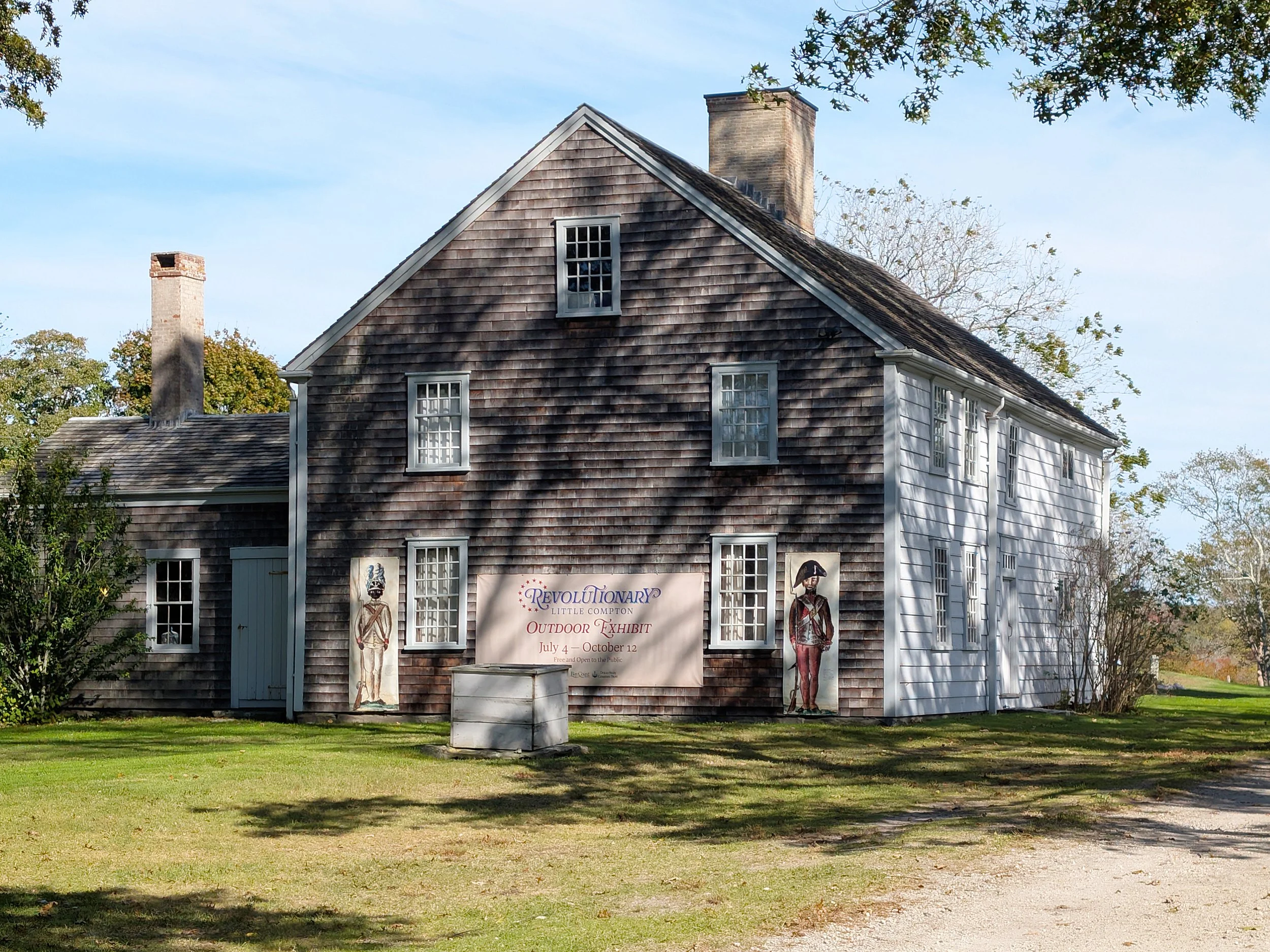
MG: I can’t keep track of all the events the LCHS offers! I would encourage people to visit the Historical Society to experience Awashonks’ Garden, the permanent outdoor garden featuring installations by Wampanoag and Narragansett artists. Another incredible exhibit, Sakonnet Belongings: Wampanoag Art Past & Present, is open for the rest of this year. Click here for information about visiting the Little Compton Historical Society.
KA: Are there more Reconnections projects in the works? Will you be working on any other stories?
MG: We couldn’t fit everything we found in the 500-page Reconnections 2 book, and we know there is more out there to find! I hope we create opportunities to share more of the stories of Sakonnet and Acoaxet Wampanoag individuals and families in the future!
KA: Melinda, thank you for such an in-depth discussion. For anyone interested in reading Reconnections, you can purchase it at the Little Compton Historical Society or via their website, and it is also available on Amazon. Or borrow a copy from your local library!
