Food Writing
Pretty much everybody likes food. It keeps us alive. But it does so much more than that.
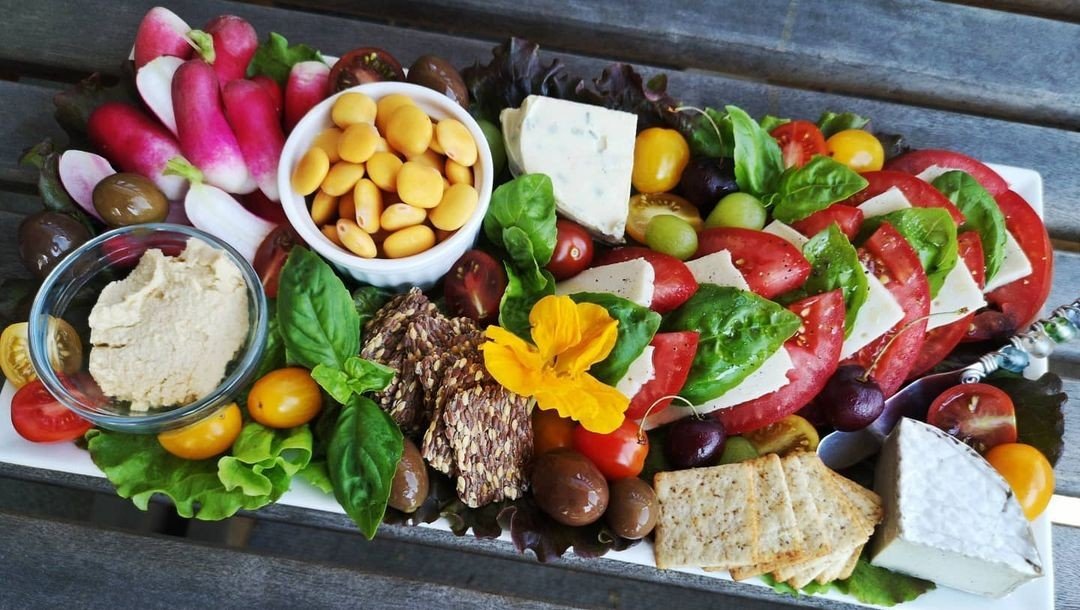
Food has the power to unite or to divide. It comforts us, sometimes too much. Who controls the food, controls the world.
So it’s no wonder that we are drawn to stories about food. Huh? Think about it. What were some of the first stories read to you as a young child? Alphabet books where foods represented each letter, such as Eating the Alphabet, by Lois Ehlert. Stone Soup, by Jon J. Muth. Blueberries For Sal, by Robert McCloskey. Cloudy With A Chance of Meatballs, by Judi Barrett. The Very Hungry Caterpillar, by Eric Carle (there’s even a museum in Amherst dedicated to the author’s stories and art).
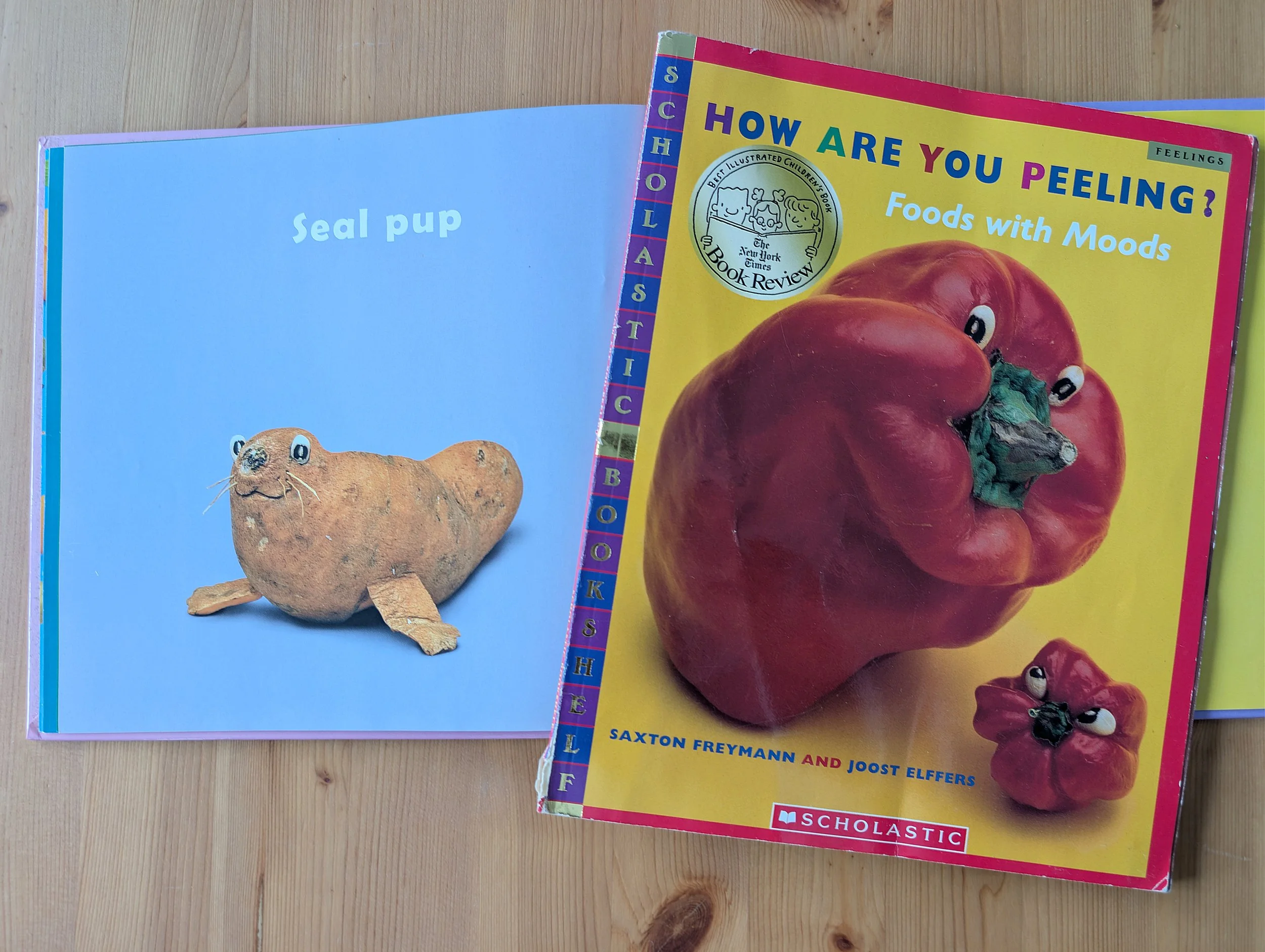
I could go on for days. My kids’ favorites included anything by Saxton Freymann and Joost Elffers, with amazing food photography in titles such as How Are You Peeling? and Baby Food. My second son actually took a bite out of the spine of the board book Strawberries Are Red, by Petr Horacek, which he took to bed with him for awhile as a toddler. The Enormous Turnip, by Vera Southgate would be an appropriate first storybook for Westport children!
If you’re looking for local food lore, check out the book Wild Flavors, where author and chef Didi Emmons recounts her year cooking from the bounty of culinary ingredients at local legend Eva Sommaripa’s farm in Dartmouth.
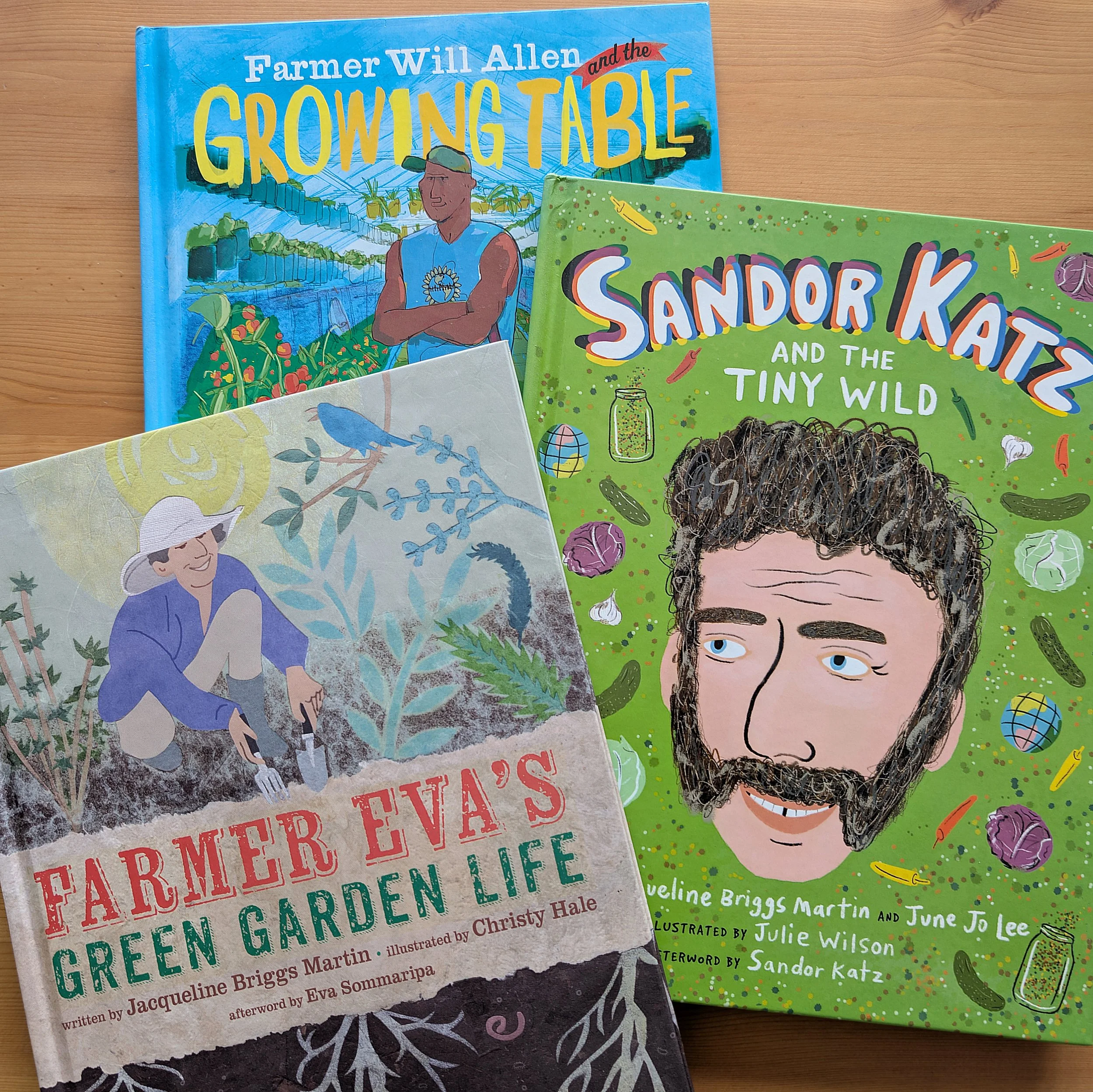
Or introduce children to where their food comes from through Jacqueline Briggs Martin’s “Food Heroes” series, including Farmer Eva’s Green Garden Life.
Besides comfort and nostalgia, food is often a cultural statement, while satisfying the need for emotional connection with others. Motherhood can be an isolating period for many women, especially in Western cultures.
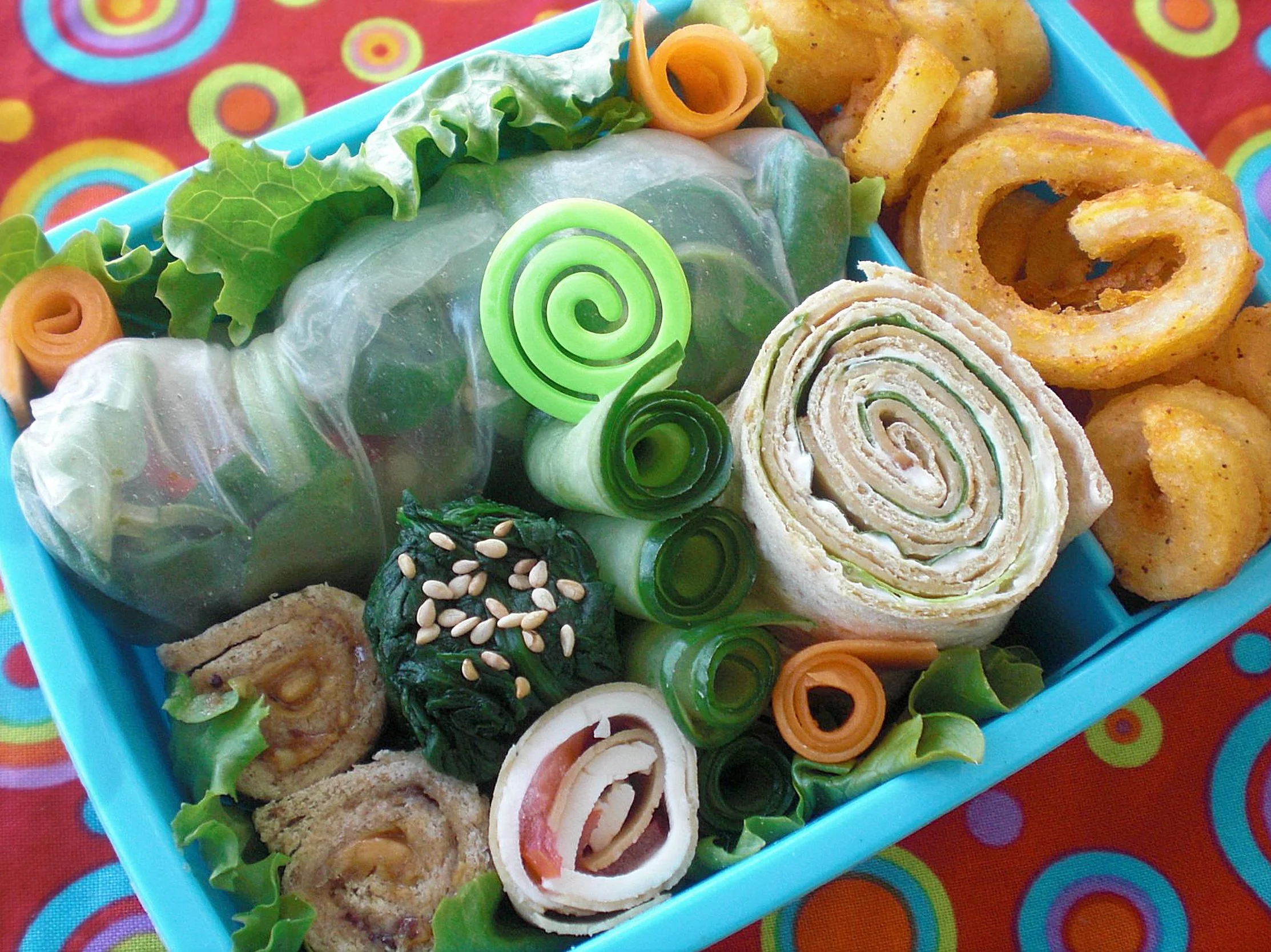
In Japan, it is typical for a wife to send her husband and children to work or school with a bento box. This is a traditional part of the love language of a parent or partner, versions of which can be found around the world.
Think of the Italian grandmother who lavishes food on her family, or the many holidays centered around meals that we look forward to. Food is love.
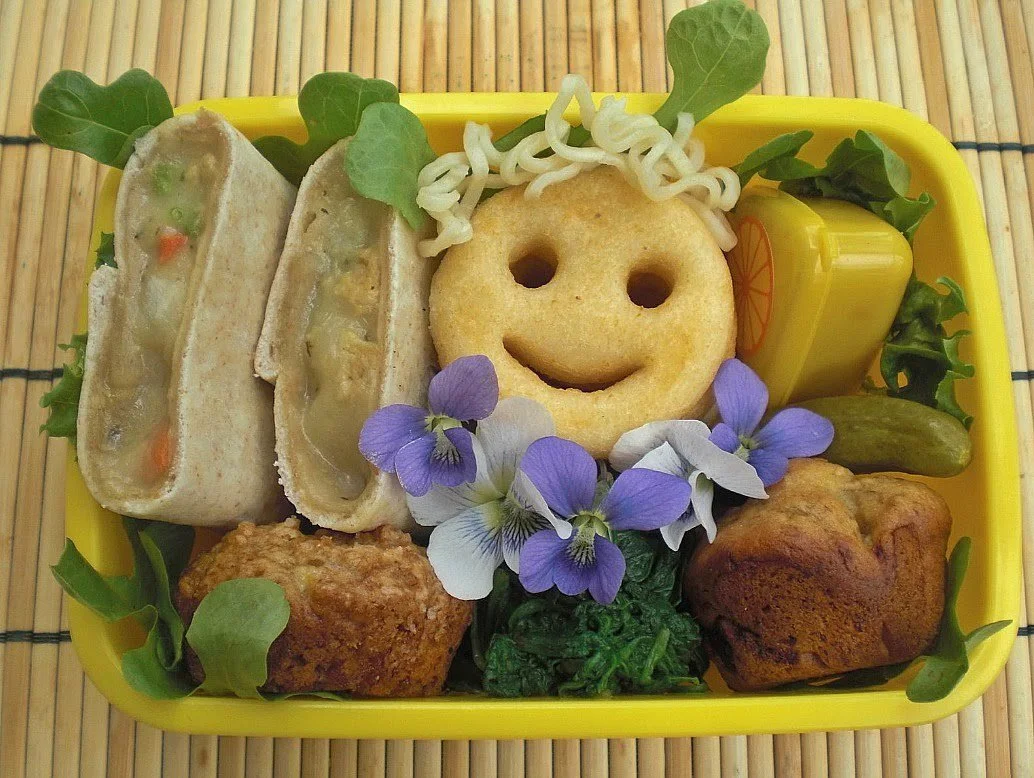
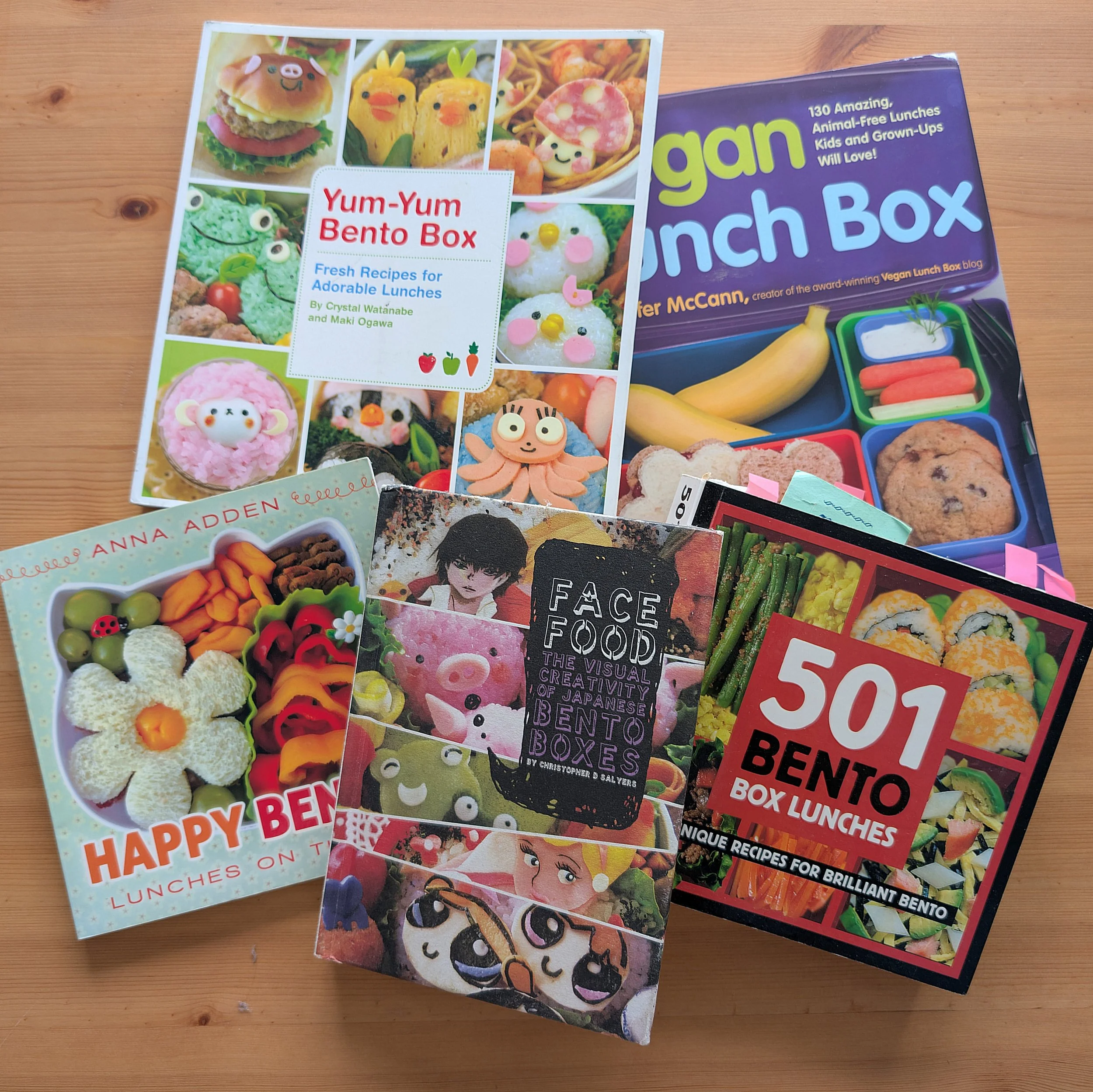
During my own children’s early years, they always brought their own lunches to school, usually a bento box, often themed to suit their current interests, be it Pokemon or Star Wars. For me, it was a creative outlet, an excuse to get up early to have an hour to myself. Before long, I began blogging about the kids and their lunches.
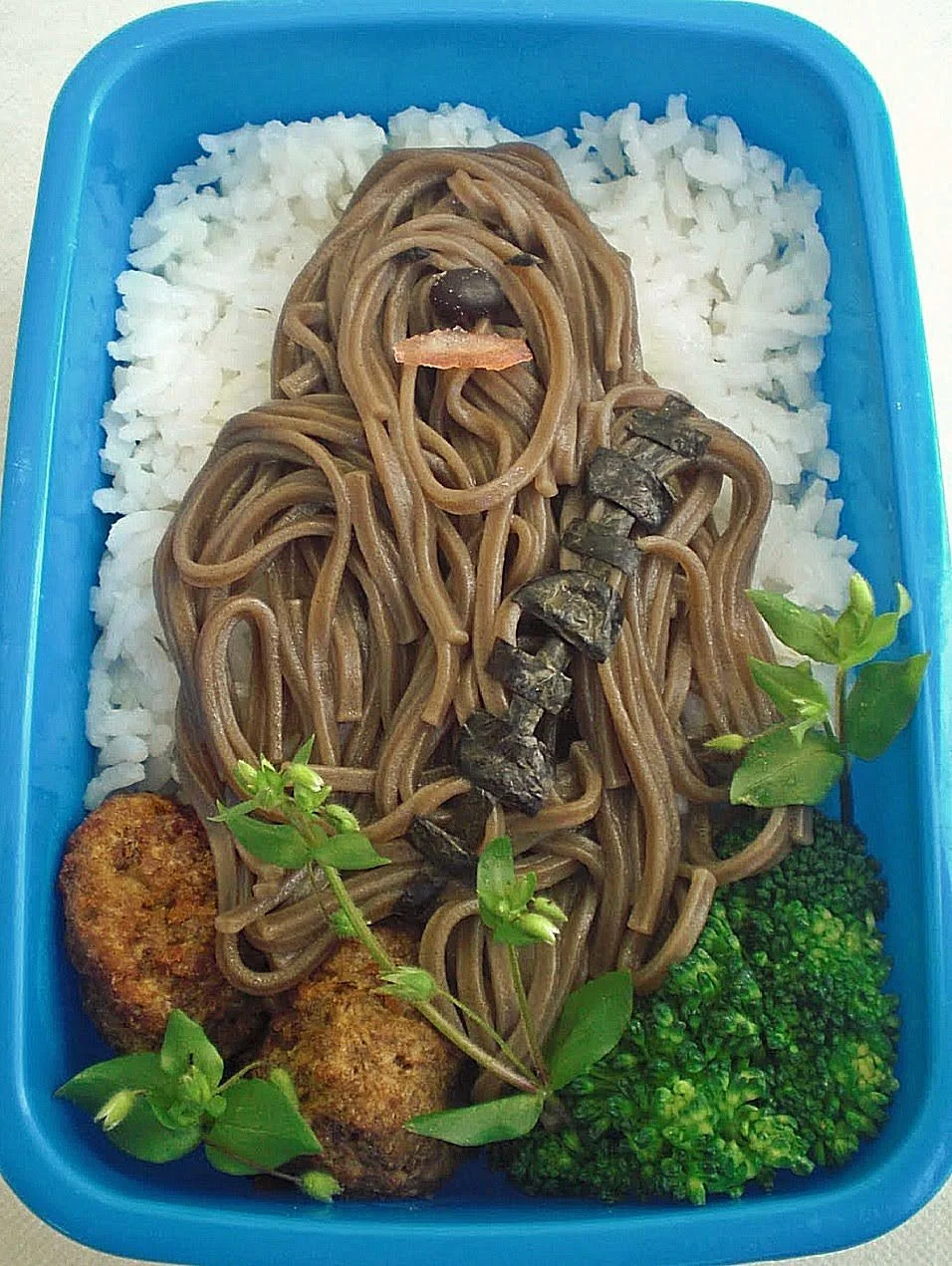
After a few years, the blog won a few awards and had its content regularly pilfered or reposted, especially the Chewbacca post.
Writing about food made me happy during a period when the only time I had to write was naptime or a two hour morning preschool session. Now that the kids are all grown up, they mostly cook for themselves. The eldest prepares bento boxes to send along with his fiance to graduate school. But all of the kids still can’t wait to come home for me to cook for them.
Once the kids were all in school, there was a time when I got paid to write recipes and articles about food online. I’ve also worked on a few cookbooks which I really want to complete.
My interest in food, and the plants that make food possible, appears to run in the family. My great grandfather penned a few books on plants, both ornamental and edible, including two specifically about cruciferous vegetables.
Writing cookbooks is actually a ton of work. Besides creating the recipes and testing them, the ingredients and steps need to be accurately documented. The origins of recipes and other tips and tidbits of culinary information have made cookbooks a bedside reading staple at many times in my life.
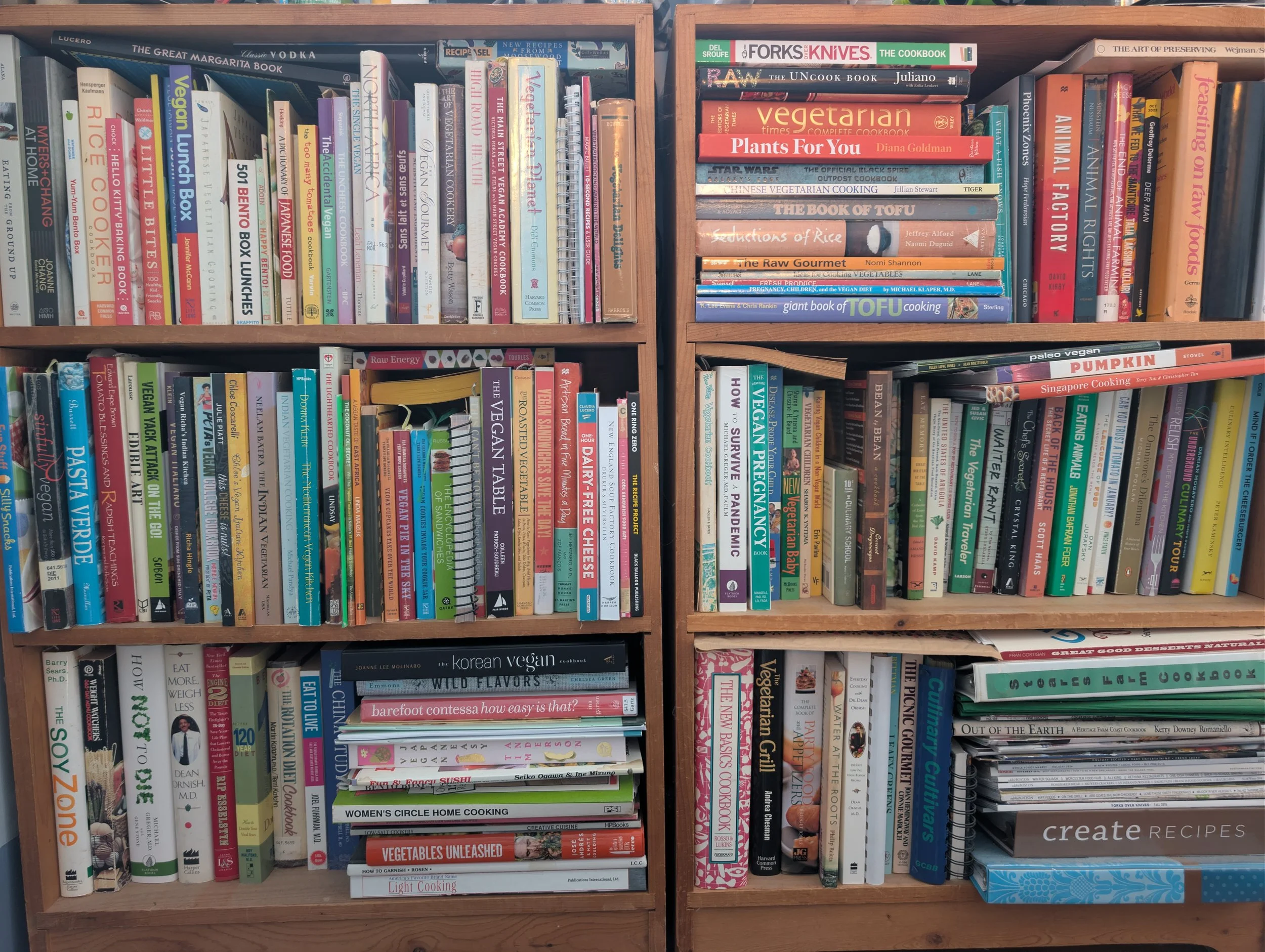
If you have more than a few basic cookbooks in your library, chances are, you have waaaay too many that you can’t bear to part with! They are like beloved friends, with advice you can return to, a resource to learn something new at every visit.
These days, while I’m still working on a couple of personal cookbook projects, my online food presence is limited to Instagram and moderating a few Facebook groups, including the Farm Coast Vegan Network. Connecting with others in person via these groups is important. I’ve worked at restaurants, as a private chef, and catered with Beantown Kitchen, but nothing beats getting together with others and sharing a meal.
Food writing isn’t just for family recipes and social media foodporn posts. Most major newspapers contain a weekend food section. There are also hundreds of magazines dedicated to different diets and cuisines, genres within a genre of creative nonfiction. There are even novels focused on food.
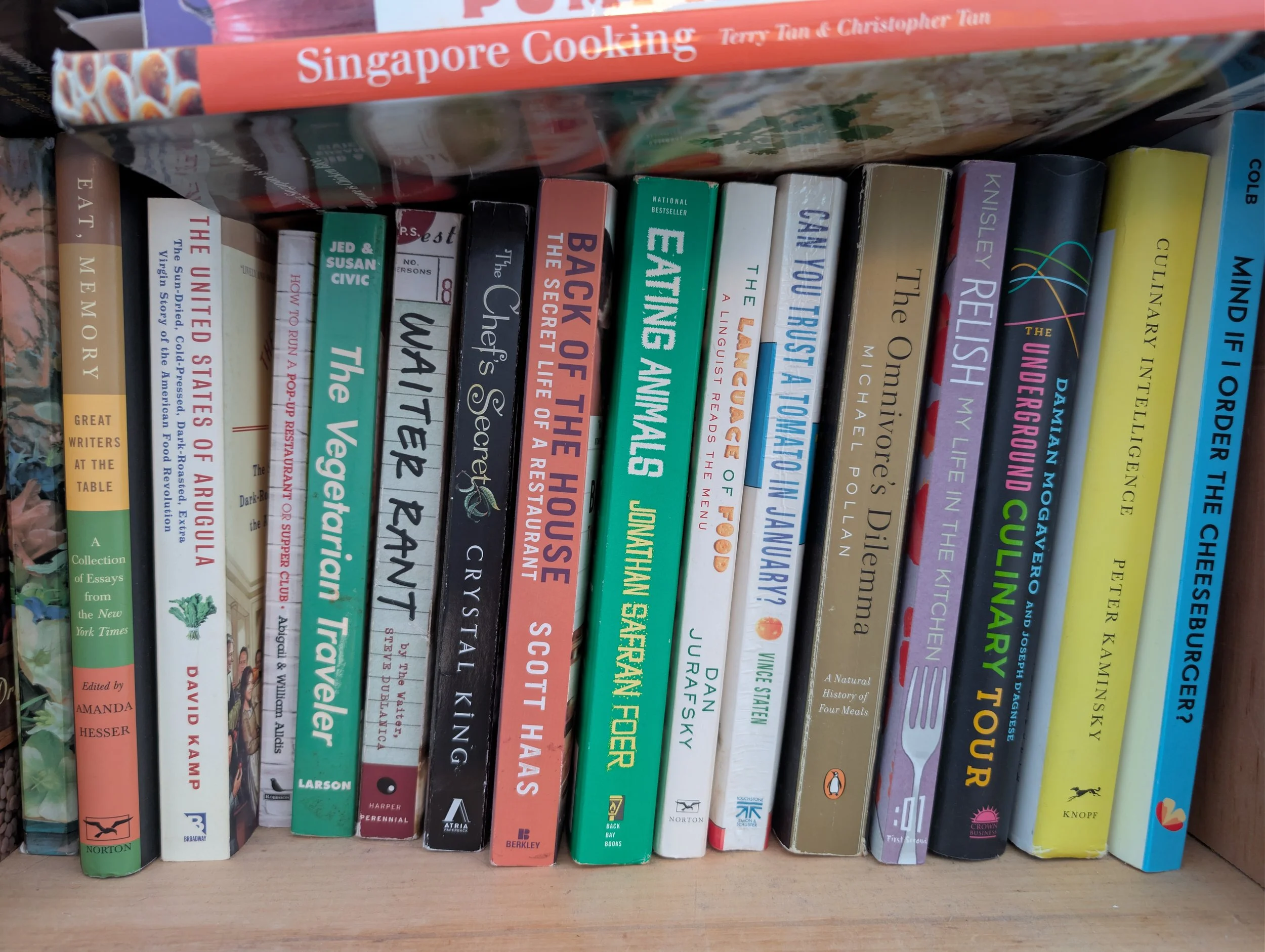
I love reading about the inner lives of restaurateurs. Back of the House: The Secret Life of a Restaurant, by Scott Haas, chronicles the high pressure lifestyle inside the kitchen of Craigie On Main in Cambridge. Waiter Rant, by Steve Dublanica is a book written from the humorous perspective of a New York City server. This subgenre may be smaller, but there are plenty of titles to savor.
We love to read about food, even when it’s not the main subject of a book. Food is emotionally tied to love, grief, and sensory escapism. Do you like reading mysteries? Think about some of the most famous escapades that have used food as a murder weapon!
Spotted Hemlock helped commit the crime in The Five Little Pigs, yew seeds hidden in marmalade was used in A Pocketful of Rye, and digitalin (found in foxglove) dispatched victims in both Appointment With Death and Postern of Fate, all by Agatha Christie. A woman kills her husband with a frozen leg of lamb, then serves it to the detective investigating the murder in Roald Dahl’s Lamb to the Slaughter. Celebrity chefs are murdered in ways that echo their favorite dishes in Someone is Killing the Great Chefs of Europe, by Nan and Ivan Lyons. Other murder mysteries in a similar vein include: A Big Boy Did It And Ran Away, by Christopher Brookmyre, Three At Wolfe’s Door, by Rex Stout, The Long Quiche Goodbye, by Avery Aames, and Death by Darjeeling, by Laura Childs.
Even Shakespeare couldn’t restrain himself, aptly describing humanity’s relationship to food as: “Appetite, a universal wolf.” He injected many culinary metaphors and references to food in his plays, such as: “Mine eyes smell onions. I shall weep anon.” Food is a popular feature in modern poetry as well. I even found a review here of ten food poetry anthologies!
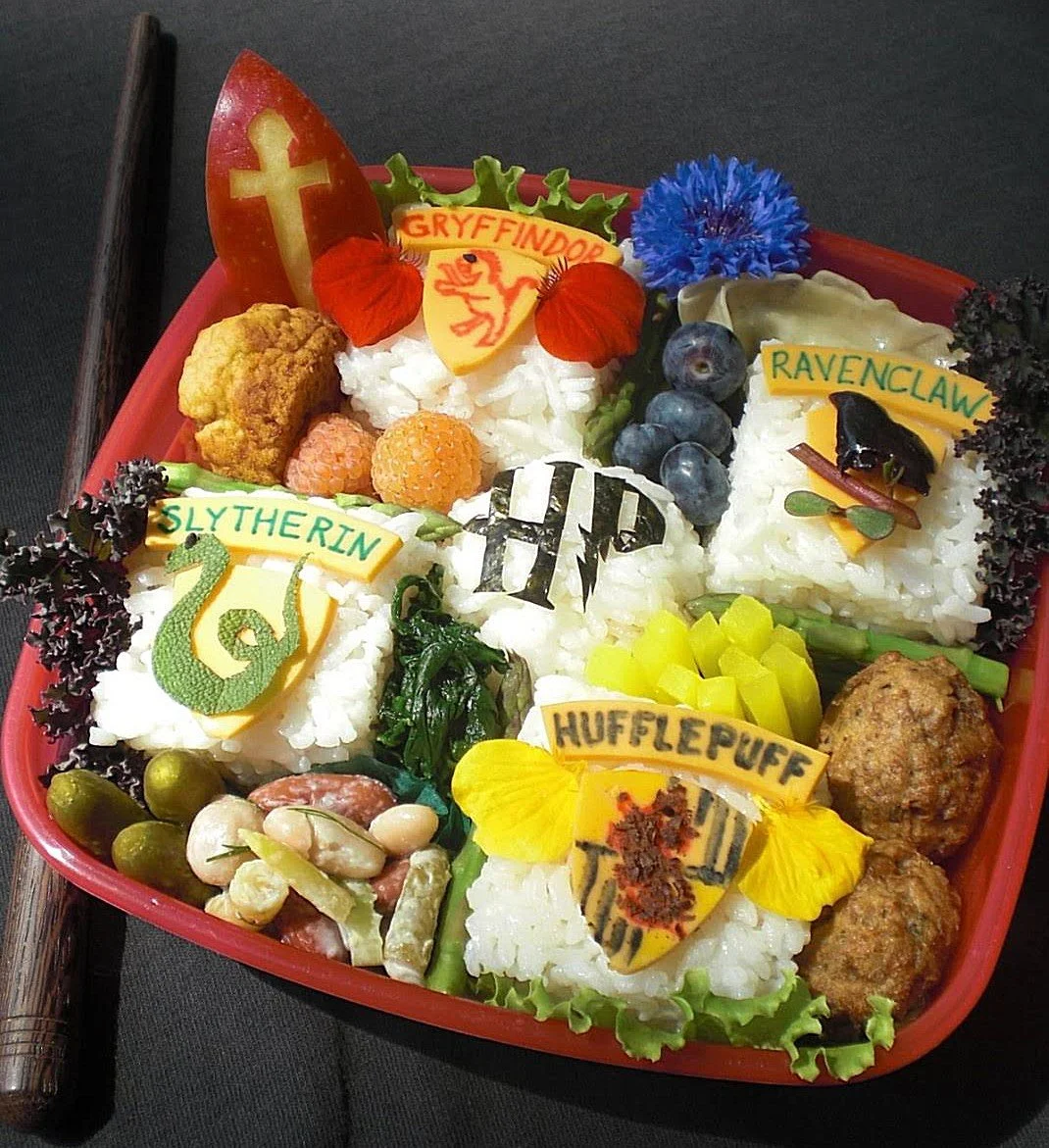
Whether you’re interested in molecular gastronomy, a recipe for butterbeer, or how to bake a pie from your great grandmother’s era, gastronomic literature and humble cookbooks all had a dedicated writer at the helm. With food’s power to unite, it’s no wonder there exists such a wide variety of food writing!
Interested in writing about food? Here are some upcoming opportunities to submit your work for publication:
When We Gather to Eat: An Anthology of Hunger, Heritage & Healing
