*NPR Morning Edition host Steve Inskeep's quest to unravel some of the mysteries of his past started in 2012 when he and his wife set out to adopt a daughter from China. Visit here to read more on adoption law and what it took to find his past.
In early March, I was heading to the vet. Driving to Angell Memorial Hospital in Jamaica Plain drives me nuts because of the dependably hideous traffic. I leave Westport 2 hours early and set 2 different GPS devices to the destination - lest one fail or deliberately derail my expedition.
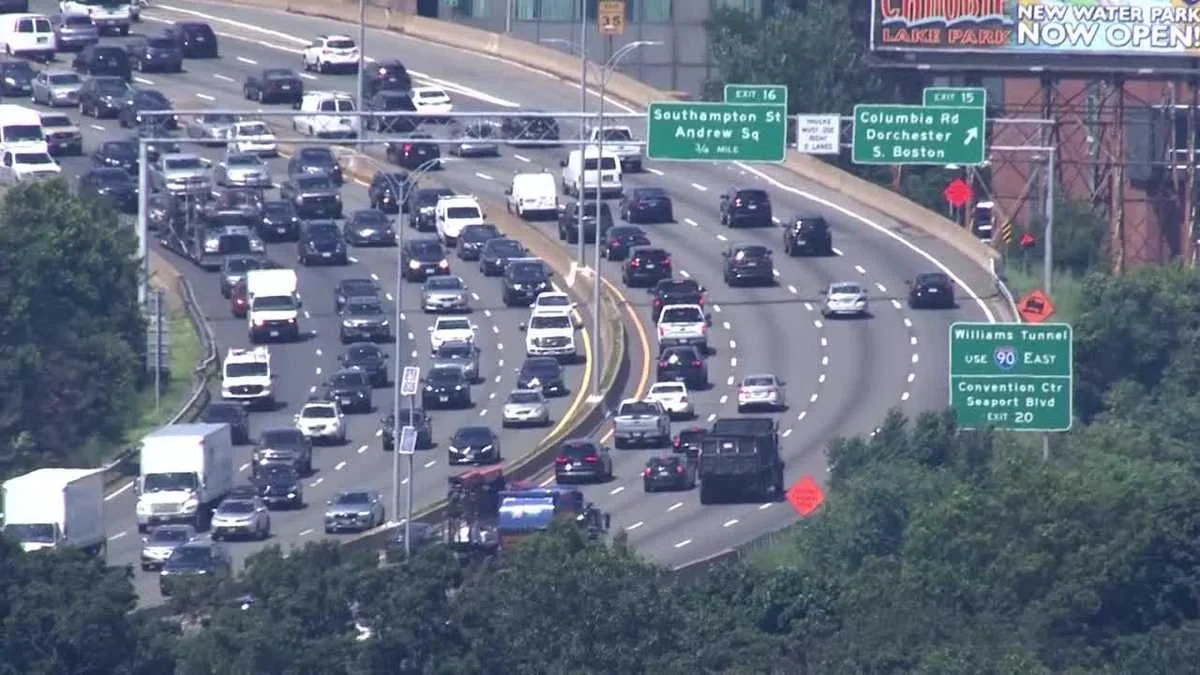
Steve Inskeep was waxing away on something or other on NPR. I hit Route 3 to Boston where the traffic slows to a standstill then a stop. Pause Steve, call Angell. Better to plead innocent of impending tardiness than ask forgiveness for actual lateness.
Angell doesn’t care; “you get here when you get here,” the receptionist says. I let my dog Gracie know as she snoozes in the back seat and then back to Steve. Now what was he on about?…
“You could say I grew up not knowing who I was. I knew that I’d been born in an Indianapolis hospital in 1968, and that my parents had adopted me when I was 10 days old. That was it. I didn’t know who my birth parents were, or why they couldn’t raise me. I had no medical history. If you had asked me in my younger days, I would have said that this didn’t bother me much...”
“Me neither, Steve, I didn’t give a fig.” I say, partly to myself, partly to Gracie. I turn down Steve and turn left onto 93 North - if I go straight I’ll end up in Braintree where I went to two different high schools. The first, the Catholic school that expelled me, much to my lapsed father’s delight. His enthusiasm waned when the private school tuition fees appeared.
As I drive through Milton, where we moved when I was six and my older brother was learning to drive, I listen to Steve describe how the system kept his and my birth parents and the facts of our adoptions secret from us. Steve seemed pissed. I was just oblivious.
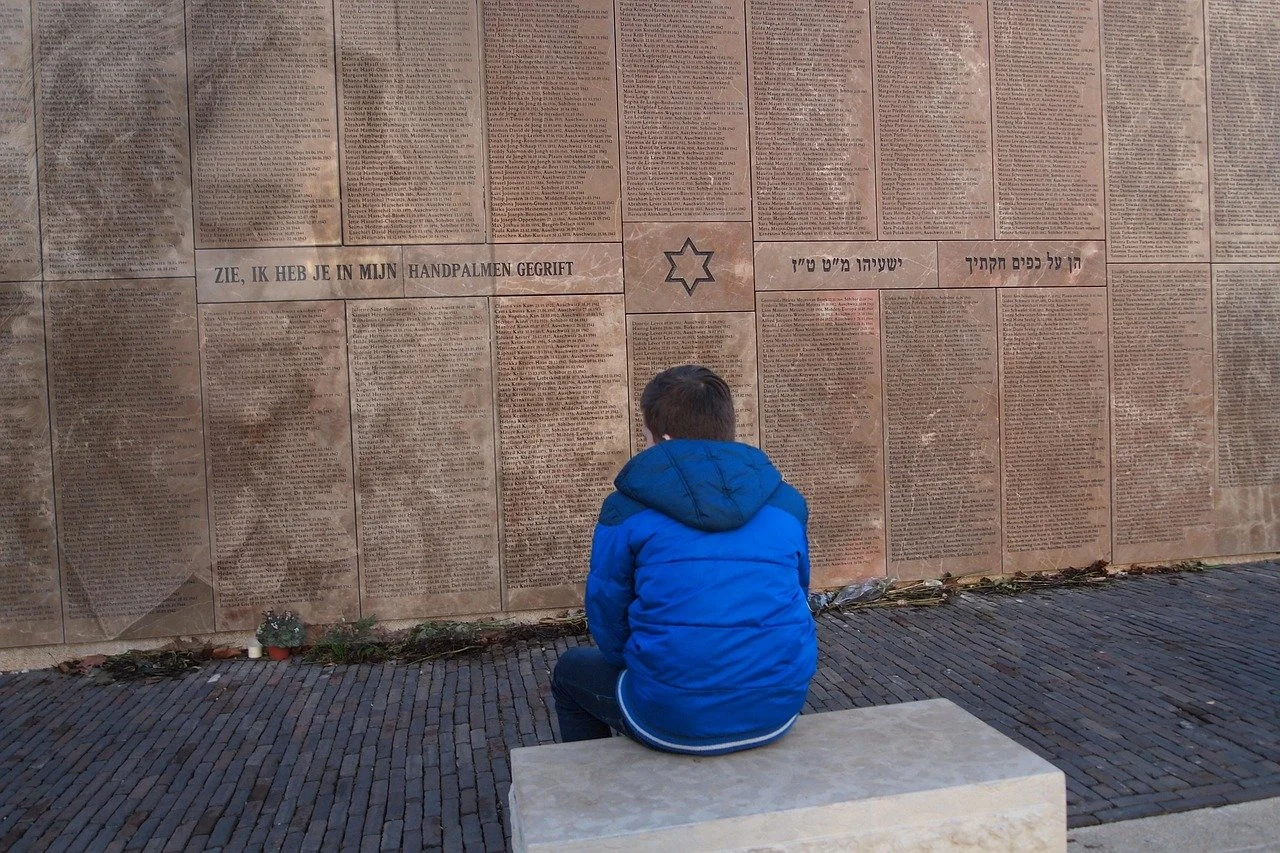
All those years I worked at the Holocaust Museum in DC, I was obsessed with ideas and technologies to help other people find their histories, their families and their relatives. It was so important to them. It never once occurred to me to apply this same desire for closure to myself.
Steve kept talking and he really was pissed. Maybe I should be, too. “But, Steve,” I interject, “I had no trouble applying for my original birth certificate when I retired.”
“It’s the adoption agencies that hold the real stories,” Steve swats back.
“You have a point, Steve. But Siri says we have ‘arrived at our destination.’”
I left the town of Milton at the age of 18. When my parents moved to the Cape permanently, the seashore became my home. I felt suffocated in that dark Milton house. I had terrible asthma and constantly missed school. There were tutors. My grandmother and great aunts, all teachers, came to the rescue. My mother, as miserable as only a woman of the 50’s could be, lived on one side of the house and my father on the other. There would be explosions of creativity -- purple shutters and trim. “Oh, murder!” Smashed china.
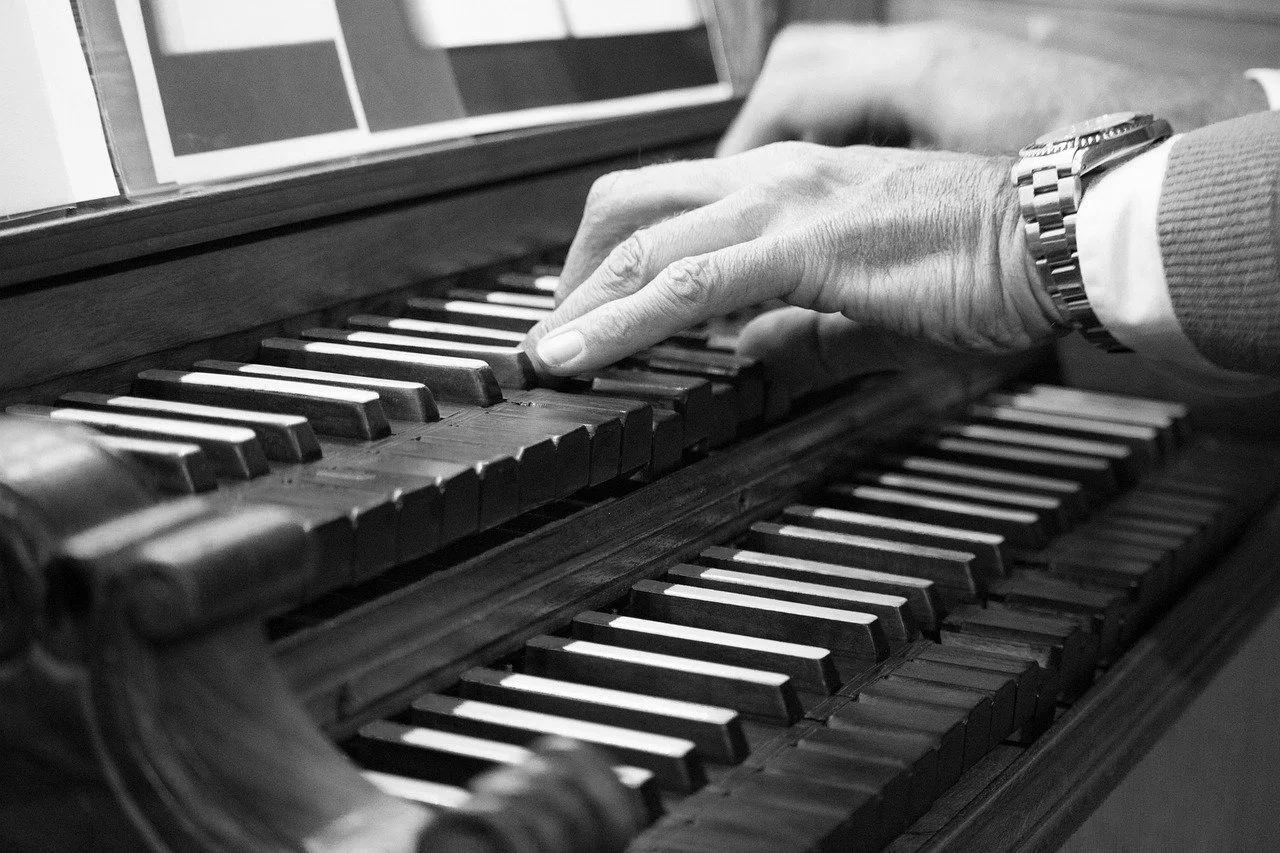
My father bought a pipe organ and installed it in the living room. No TV. There were fables of horses in the attic above the garage. My older brother’s boundless creativity, artistic talents, love for cars, perfect pitch, and paralyzing dyslexia.
My father’s OCD-driven perfectionism was repelled naturally by his son’s genes. Endless hours of math and physics problem-solving nurtured in me our father’s childlike belief in perfection. Both my brother and I seemed charged with making this poor sad man smile through clouds of cigarette smoke. I know we both exceeded expectations.
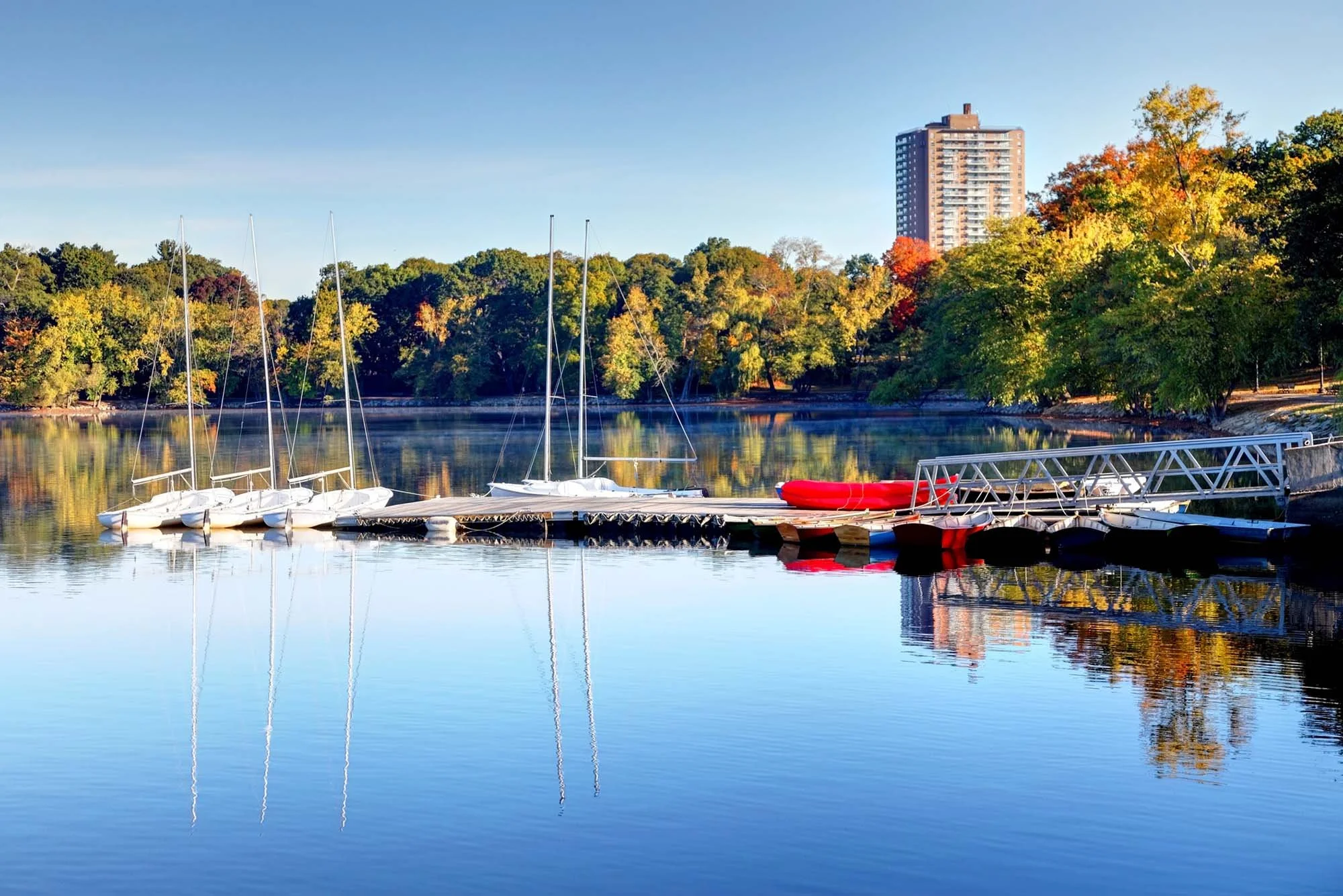
After Gracie’s successful exam at Angell, I opened all the windows in my car and headed from Jamaica Plain to Dorchester. Steve’s story had ended, but mine was still streaming in my head.
And so it was that I decided to drive by my childhood home in Milton, home of the infamous purple shutters. Poked by Steve Inskeep to confront the past and maybe attempt to finally shut the door on the parts I no longer wanted to remember.
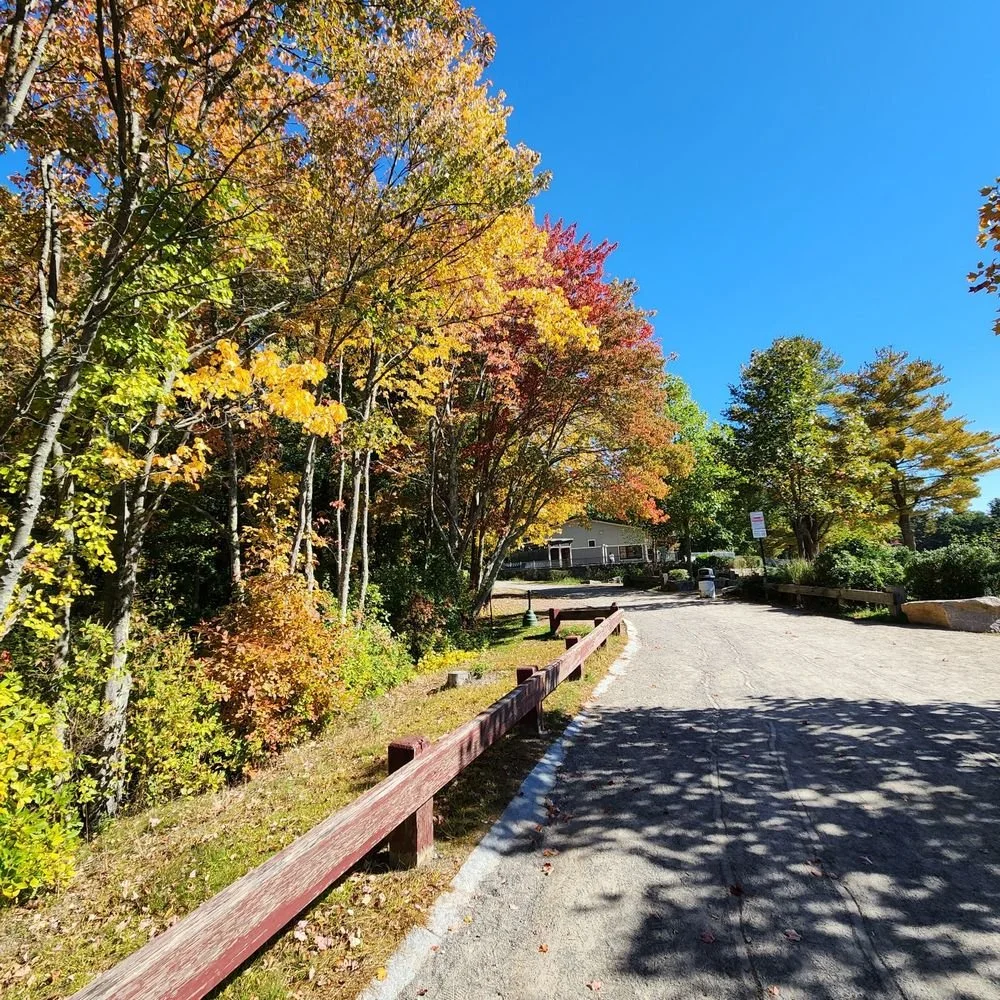
After a few missed turns, I drove down Brook Rd, got lost on Reedsdale and finally found myself on Vinewood, heading to the cul-de-sac.
There it was. It was pretty, bigger than I recalled. A well-appointed yard. No green slime flew out the windows. A lovely, well- dressed fiftyish couple were clearing some leftover snow.
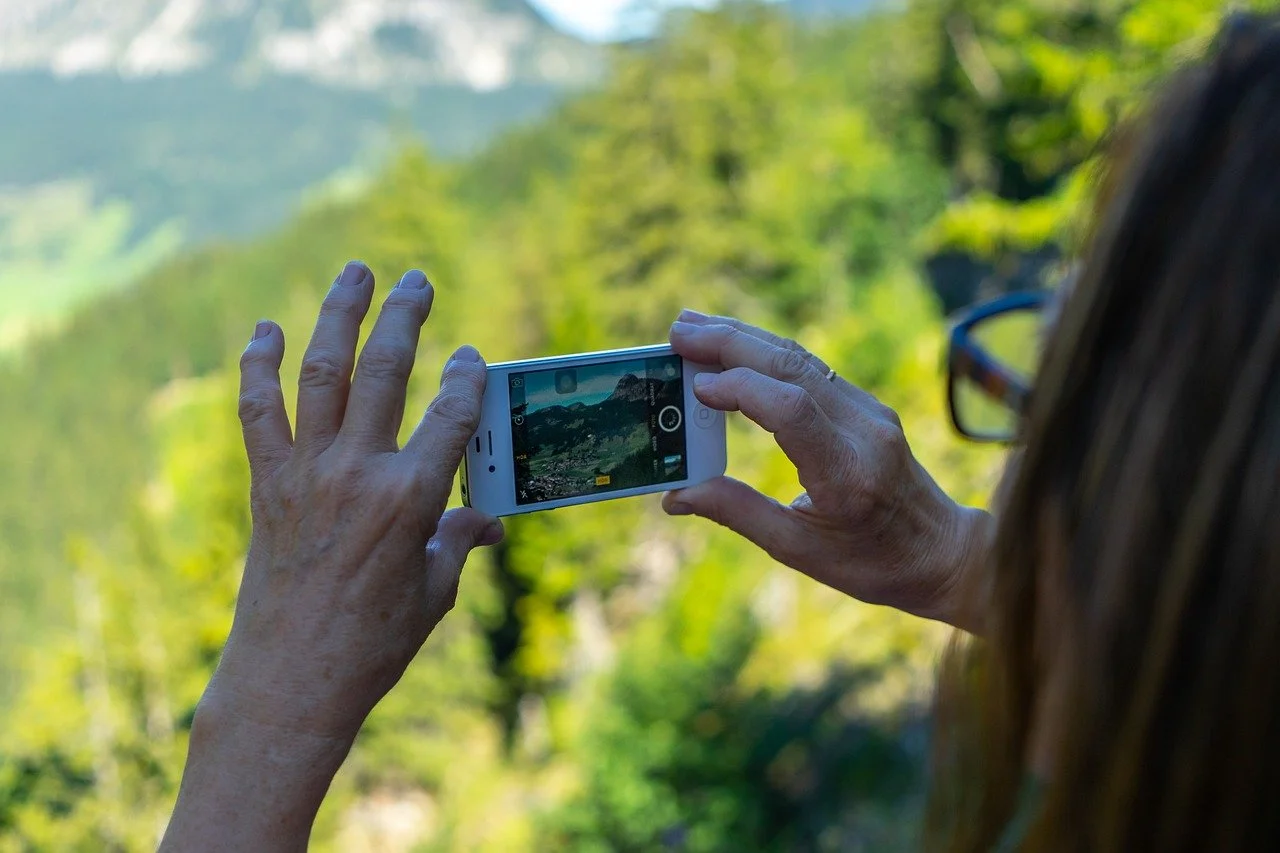
I stopped to ask -- “can I take a picture?” “Of course,” they respond, exchanging mildly cautious looks.
"I grew up in this house,” I say to the man. We exchange easy stranger to stranger smiles.
Click. Click. Silence. An awkward pause.
“Wanna buy it back?” he asks as I return to my car.
“No, no. But thanks anyway.”
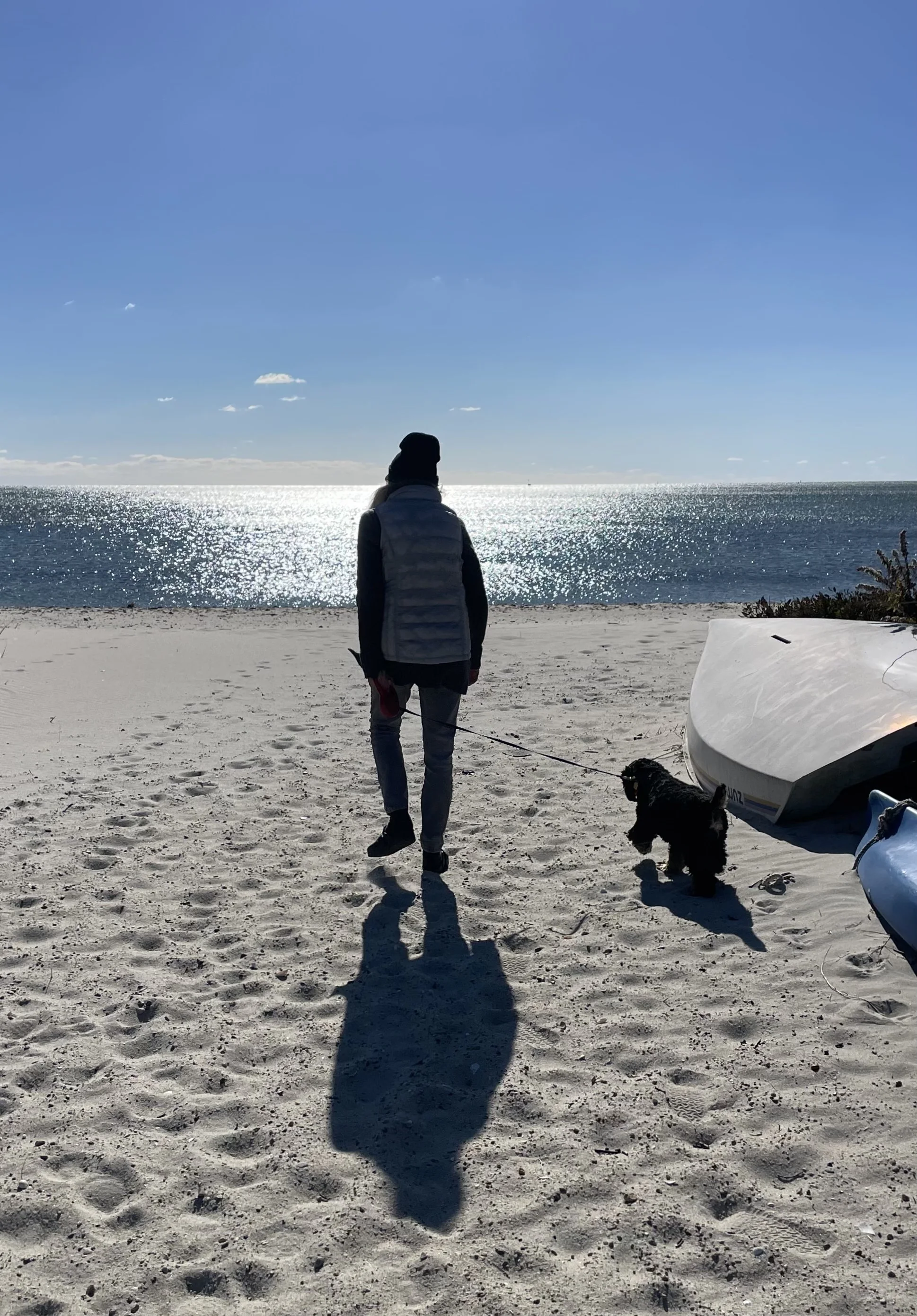
At 18, the seashore became my home.